


Looking for Himalayan Shilajit? Why Are More Buyers Turning to Chitral House
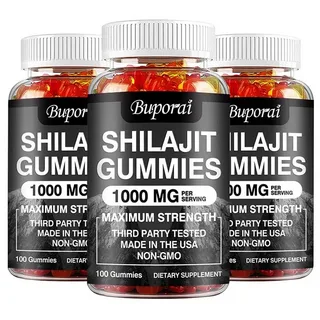
Himalayan Shilajit has become a popular topic among people exploring traditional wellness products and naturally sourced supplements. With growing interest, consumers now have more choices than ever, from traditional Shilajit resin to capsules, powders, and convenient formats such as Shilajit gummies.
But having more options also creates an important question: how can buyers identify a quality Shilajit product and choose a brand they can evaluate with confidence?
For consumers interested in Himalayan or mountain-sourced Shilajit, Chitral House has gained attention through its connection with the Chitral region of Pakistan. Yet a geographic association alone should never be the only reason to select a supplement. Understanding sourcing, processing, ingredients, quality information, and responsible product claims can help buyers make a more informed decision.
What Is Himalayan Shilajit?
Shilajit is a naturally occurring substance traditionally found in mountainous regions of South and Central Asia. It develops over extended periods through the transformation of organic plant material and other natural substances under geological conditions.
Traditional wellness practices have used Shilajit for generations. Modern scientific research has also examined compounds present in Shilajit, including fulvic-acid-related substances and minerals. However, research remains developing, and findings from studies should not automatically be interpreted as proof that every commercial Shilajit product provides specific health benefits.
The quality of Shilajit can also vary considerably depending on its source, collection, purification, processing, storage, and formulation.
Therefore, consumers should look beyond labels such as “Himalayan,” “natural,” or “pure” and examine the complete product information.
Why Are More Buyers Interested in Himalayan Shilajit?
Interest in Shilajit is partly connected to growing consumer awareness of traditional wellness ingredients. People researching natural supplements often want to understand where an ingredient comes from and how it is prepared before adding it to their routine.
Himalayan Shilajit can be particularly appealing because mountainous regions have a long history of association with traditionally collected Shilajit.
However, popularity also creates a challenge. Online marketplaces may contain products with different levels of information and quality assurance. Some listings provide detailed ingredient information and testing details, while others rely primarily on promotional descriptions.
This makes informed comparison increasingly important.
Does the Origin of Shilajit Matter?
Origin can provide useful information, but it does not independently establish quality.
Chitral House is associated with the Chitral region of Pakistan, an area known for its mountainous landscape. For consumers specifically searching for Shilajit connected with this region, that geographic identity may be an important part of their purchasing considerations.
Nevertheless, responsible evaluation should go further.
A buyer should consider whether the product provides information about sourcing, processing, purification, ingredients, quality control, packaging, and storage. These factors can influence the characteristics and safety of a finished supplement.
In other words, a product's location of origin is one piece of the quality puzzle, not the entire picture.
What Should You Look for in a Quality Shilajit Product?
Choosing Shilajit should involve more than comparing prices or product photographs. Several practical factors deserve attention.
Transparent Ingredient Information
Start with the ingredient label. A trustworthy product should identify what it contains and provide appropriate serving information.
This becomes particularly important with formulated products, including gummies, because they may contain additional ingredients for flavor, texture, sweetness, or stability.
Information About Processing
Naturally collected Shilajit may require processing and purification before being formulated into a consumer product. Buyers should look for clear information about how the material is prepared.
A claim such as “raw” or “100% natural” does not necessarily tell consumers whether a product has undergone appropriate preparation.
Quality and Contaminant Testing
Testing can be an important part of quality control for naturally sourced substances. Depending on the product, relevant quality checks may include assessments for heavy metals, microbial contamination, and other potential contaminants.
When available, meaningful documentation can provide more useful information than broad marketing claims.
Appropriate Packaging
Packaging should help protect the product during storage and transportation. Buyers should follow the manufacturer's storage instructions and pay attention to expiration or best-before information where applicable.
Realistic Claims
Consumers should be cautious about products promising guaranteed results. Shilajit should not be marketed as a guaranteed treatment for diseases or as a replacement for professional medical care.
How Do Shilajit Gummies Compare With Traditional Formats?
Shilajit is commonly associated with resin, but modern supplement products are available in several formats. Shilajit gummies are one of the more convenient options for consumers who prefer a chewable supplement.
Gummies may be appealing because they are portable, familiar, and easy to incorporate into a routine. They can also eliminate some of the handling and measuring associated with resin.
However, convenience does not automatically mean a product is higher quality.
When evaluating Shilajit gummies, check the amount of Shilajit or Shilajit-derived ingredient per serving, the complete ingredient list, serving instructions, storage requirements, and any available quality information.
The gummy format can also include ingredients that are not present in traditional resin. This makes label reading particularly important.
Why Is Transparency Important When Buying Shilajit Online?
Online shopping makes it easy to compare numerous Shilajit products, but it can also make it difficult to physically assess what you are purchasing.
A transparent product listing should provide enough information for a consumer to understand what the product is, how it is intended to be used, and what ingredients it contains.
For a brand such as Chitral House, the connection with Chitral can help communicate the product's geographic identity. However, buyers should still evaluate available product information independently.
Useful questions include:
- Is the ingredient list clearly displayed?
- Is the serving size explained?
- Is the product's form clearly identified?
- Is there information about processing or purification?
- Is quality-testing information available?
- Are storage instructions provided?
- Does the product avoid unrealistic health promises?
These questions can help turn an online purchase into a more informed decision.
What Makes Chitral House Relevant to Shilajit Buyers?
Chitral House can be relevant to consumers specifically interested in Shilajit associated with the Chitral region of Pakistan.
For these buyers, the brand's geographic identity may be an important starting point. However, informed consumers should evaluate the complete product rather than relying on origin alone.
The same principle applies to shoppers searching for Shilajit gummies. A convenient format can make supplementation easier for some people, but ingredient transparency and quality considerations remain important.
Ultimately, trust is built through clear information, consistent product standards, and realistic communication rather than through a single marketing claim.
Relevant Case Study: How One Buyer Evaluated Shilajit
Consider this illustrative case study.
A hypothetical consumer, Hamza, wanted to explore Shilajit after learning about its traditional use. He initially searched online and focused primarily on products with attractive packaging and low prices.
After comparing several listings, Hamza realized that price and appearance did not tell him much about product quality. Some listings offered limited information about ingredients or processing.
He changed his approach and created a simple checklist.
First, he looked for the stated source. Next, he reviewed the ingredient list and serving information. He then checked whether the seller provided meaningful information about processing and quality control.
Hamza was also interested in Shilajit gummies because he travels frequently and wanted a convenient format. Instead of assuming that gummies were automatically equivalent to resin, he compared the actual ingredient information and serving details.
Finally, he avoided products that made unrealistic promises about instant energy, disease treatment, or guaranteed results.
This example demonstrates a useful buying principle: informed consumers can evaluate a Shilajit product based on evidence and transparency rather than marketing alone.
Are Shilajit Gummies Suitable for Everyone?
Not necessarily. Dietary supplements can interact with individual health circumstances and medications.
Anyone with an existing medical condition, anyone taking prescription or over-the-counter medication, or anyone who is pregnant or breastfeeding should consider speaking with a qualified healthcare professional before using Shilajit products.
Consumers should also follow the manufacturer's recommended serving instructions rather than assuming that more of a supplement will provide greater benefits.
The quality and composition of different Shilajit products can vary, so individual products should be evaluated according to their actual labels and available quality information.
How Can Buyers Avoid Poor-Quality Shilajit?
There is no single visual test that can reliably establish the purity of commercial Shilajit.
Color, texture, smell, or the way a substance dissolves may provide observations, but these characteristics alone cannot confirm that a product is free from contaminants or accurately formulated.
Instead, consumers should prioritize:
- Clear sourcing information
- Transparent ingredient labeling
- Appropriate processing or purification information
- Quality-control information
- Proper packaging
- Clear serving instructions
- Responsible health claims
- A seller that provides accessible product information
This approach is especially useful when buying online, where consumers cannot independently inspect the product before purchase.
E-E-A-T and Trustworthy Shilajit Information
High-quality health and wellness content should demonstrate experience, expertise, authoritativeness, and trustworthiness.
For Shilajit content, this means separating traditional use from modern scientific evidence. It also means acknowledging that research findings may be preliminary and that commercial products can differ from the preparations used in scientific studies.
A trustworthy approach avoids exaggerated claims and gives readers practical criteria for evaluating products.
For consumers, the same principle applies when evaluating brands. Clear information is more useful than unsupported promises.
Conclusion
The growing interest in Himalayan Shilajit has given consumers more choices, but it has also made product evaluation increasingly important. Buyers looking at Chitral House or other Shilajit brands should consider more than geographic origin or attractive marketing.
Sourcing, processing, purification, ingredients, quality information, packaging, serving guidance, and realistic claims all contribute to a more informed purchasing decision.
For people interested in Shilajit gummies, the convenience of the format may be appealing, but consumers should still examine the actual ingredients and product information carefully.
Chitral House's association with the Chitral region may be relevant for shoppers specifically interested in that geographic origin. Ultimately, however, informed purchasing comes from evaluating the complete product and choosing based on transparent information and realistic expectations.
FAQs
What is Himalayan Shilajit?
Himalayan Shilajit is Shilajit associated with mountainous areas of the Himalayan region. It is a naturally occurring substance traditionally used in South and Central Asian wellness practices.
Why is Shilajit associated with Chitral?
Chitral is a mountainous region of northern Pakistan associated with traditional collection and sourcing of natural materials, including Shilajit. Geographic association, however, does not by itself establish a product's purity.
What are Shilajit gummies?
Shilajit gummies are chewable supplement products formulated with Shilajit or a Shilajit-derived ingredient. Their formulation can vary, so consumers should check the ingredient and serving information on the individual product.
Are Shilajit gummies the same as resin?
No. Gummies and resin are different product formats. Gummies may contain additional ingredients needed for their texture, taste, and stability, while resin is a more traditional form of Shilajit.
What should I check before buying Shilajit?
Check the source, ingredient list, serving information, processing or purification details, quality-control information, packaging, storage instructions, and the nature of the seller's health claims.
Can the color of Shilajit prove that it is authentic?
No. Color and texture can vary naturally and are not reliable standalone methods for confirming purity or the absence of contaminants.
Is there scientific research on Shilajit?
Yes, researchers have investigated various compounds and potential biological effects associated with Shilajit. However, the evidence remains developing, and research findings should not be interpreted as proof of guaranteed health benefits from every commercial product.
Who should consult a healthcare professional before using Shilajit?
People with medical conditions, people taking medications, and those who are pregnant or breastfeeding should consult an appropriate healthcare professional before using Shilajit or related supplements.
Why is quality testing important for Shilajit?
Testing can help identify potential contaminants and support quality control. This is particularly relevant for naturally sourced materials that may be exposed to contaminants during collection, processing, or storage.
How should I choose between Shilajit formats?
Compare the ingredient list, amount per serving, processing information, quality documentation, convenience, storage requirements, and your individual needs. The best format depends on the product's characteristics and the consumer's preferences.

 English
 Arabic
 French
 Spanish
 Portuguese
 Deutsch
 Turkish
 Dutch
 Italiano
 Russian
 Romaian
 Greek