


How Does a Laser Cleaner Transform Modern Surface Cleaning
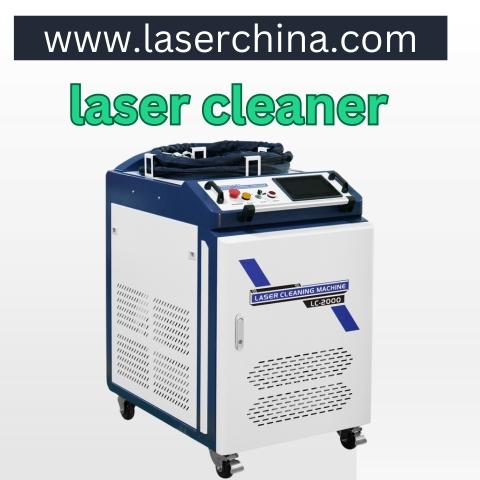
Surface preparation plays an important role in manufacturing, maintenance, restoration, and industrial production. Traditional cleaning methods often depend on chemicals, abrasive materials, solvents, or manual labor. As industries look for cleaner and more controlled production processes, laser technology has become an increasingly practical option. A laser cleaner uses concentrated laser energy to remove unwanted materials from a surface while allowing the operator to control the cleaning process with precision.
What Is a Laser Cleaner?
A laser cleaner is an industrial cleaning system that uses a focused laser beam to remove contaminants from a material's surface. Depending on the application and equipment settings, the laser can interact with rust, paint, oil, oxidation, dirt, coatings, and other unwanted substances.
Instead of physically scrubbing the surface, the system directs laser energy toward the contamination. The unwanted material absorbs the laser energy and is removed through a controlled process. The underlying material can remain intact when the machine is correctly configured for the specific surface and contaminant.
Laser cleaning equipment is available in different configurations, including portable handheld systems and larger industrial machines. The appropriate system depends on the material, cleaning area, contamination type, production requirements, and desired cleaning speed.
How Does Laser Cleaning Work?
The basic principle behind laser cleaning involves the interaction between laser energy and surface contamination. When the laser beam reaches the contaminated area, the unwanted layer absorbs energy. This can cause the contaminant to detach, vaporize, or break away from the surface.
The operator can adjust important parameters according to the application. These may include laser power, scanning speed, frequency, and beam characteristics. Proper adjustment is essential because different materials respond differently to laser energy.
For example, removing a thin oxidation layer from metal requires a different approach from removing thick paint or heavy rust. A professional operator therefore evaluates the material and contamination before selecting the appropriate cleaning parameters.
Cleaning Rust From Metal Surfaces
Rust removal is one of the widely recognized applications of laser cleaning technology. Metal components exposed to moisture and environmental conditions can develop oxidation that affects their appearance and surface condition.
A laser cleaner can be used to target rust without requiring abrasive blasting or aggressive chemical solutions. This makes laser-based rust removal useful for machinery components, tools, automotive parts, fabricated structures, and industrial equipment.
For restoration projects, controlled cleaning can also help preserve details that might otherwise be affected by aggressive mechanical methods. Operators can gradually clean the surface while monitoring the result.
Removing Paint and Coatings
Paint removal is another important application. Industrial components may need to be stripped before repainting, welding, inspection, or refurbishment.
Laser technology can target unwanted coatings with controlled energy. This can be particularly useful when the coating needs to be removed from a specific section rather than from an entire component.
Industries working with molds, machinery, automotive components, metal structures, and fabricated parts can use laser cleaning systems for localized coating removal. The ability to direct the cleaning process precisely can help prepare selected areas for subsequent manufacturing or maintenance operations.
Surface Preparation Before Welding
Clean surfaces are important for many welding applications. Oil, oxidation, paint, and other contaminants can interfere with surface preparation and may affect the consistency of the welding process.
A laser cleaner can be used before welding to remove contaminants from the joining area. Handheld systems are particularly useful when operators need to clean different components or work around complex shapes.
Preparing the surface immediately before welding can help create a cleaner working area and support a more consistent production workflow. The exact cleaning procedure should always be selected according to the material and welding requirements.
Cleaning Industrial Machinery
Industrial machinery can accumulate oil, grease, dust, oxidation, and other deposits during regular operation. Keeping equipment surfaces clean is important for maintenance and inspection.
Laser cleaning can be used on selected machinery components where controlled removal is required. Because the process can be directed toward specific areas, operators can work around detailed components and surfaces that may be difficult to clean using conventional methods.
Maintenance teams can incorporate laser cleaning into scheduled equipment servicing, refurbishment, and component preparation.
Applications in Automotive Manufacturing
The automotive industry uses many metal components that require cleaning during manufacturing and maintenance. Laser cleaning can be applied to parts, molds, tools, welding areas, and other components.
For example, a contaminated metal surface may need cleaning before welding, bonding, coating, or inspection. A laser system can provide a controlled cleaning process that can be integrated into workshop or production operations.
Its flexibility also makes the technology suitable for maintenance work where different components require different cleaning procedures.
Portable Laser Cleaning Systems
Portable laser cleaning machines have become useful for applications where components cannot easily be transported to a fixed cleaning station.
A handheld laser cleaner allows operators to move the cleaning head across the required surface. This can be useful for large machinery, metal structures, industrial equipment, molds, pipes, and maintenance projects.
Portable systems are available in different power levels, so selecting the right machine requires consideration of the contamination, material, cleaning area, and required working speed.
Choosing the Right Laser Cleaner
Selecting suitable equipment starts with understanding the application. Buyers should consider the material that will be cleaned, the type and thickness of contamination, the size of the cleaning area, and the required production volume.
Laser power is also an important consideration. Lower-power systems may be appropriate for lighter surface contamination and precision work, while higher-power equipment can be considered for demanding industrial cleaning applications.
The machine's control system, scanning method, operating configuration, cooling arrangement, and available accessories should also match the intended working environment.
Safe Operation and Proper Setup
Laser cleaning equipment should always be operated according to the manufacturer's instructions and applicable workplace safety requirements. Industrial laser systems can present significant eye and skin hazards, so appropriate protective measures are essential.
The working area should be properly controlled, and operators should use suitable laser safety equipment. Training is also important because incorrect settings or operating techniques can affect both the cleaning result and the surface being treated.
Before cleaning valuable or sensitive components, testing on a suitable sample or inconspicuous area can help determine appropriate operating parameters.
Where Can Laser Cleaning Technology Be Used?
Laser cleaning has applications across numerous industries. Metal fabrication companies can use it for surface preparation, while automotive workshops may use it for component cleaning. Manufacturing facilities can incorporate it into production and maintenance processes.
Other potential applications include mold cleaning, restoration work, machinery maintenance, shipbuilding, aerospace component preparation, tool cleaning, and industrial refurbishment.
The growing range of applications demonstrates how laser technology can provide a controlled alternative for specific surface-cleaning requirements.
Building a More Efficient Cleaning Workflow
A successful cleaning process is not only about the machine itself. Operators should establish a clear workflow that begins with identifying the contaminant and material. The surface should then be inspected, suitable laser parameters selected, and a controlled test performed.
Once the appropriate settings are established, the operator can continue with the required cleaning process while monitoring the surface condition.
Regular maintenance of the laser system is also important. Keeping optical components, cooling systems, cables, and other equipment parts in suitable condition helps support consistent operation.
Final Thoughts
A laser cleaner provides a modern approach to surface preparation and contamination removal. Its ability to direct controlled laser energy toward specific materials makes it suitable for applications involving rust, paint, oxidation, oil, coatings, and other surface contaminants.

 English
 Arabic
 French
 Spanish
 Portuguese
 Deutsch
 Turkish
 Dutch
 Italiano
 Russian
 Portuguese (Brazil)
 Greek