


Laser Rust Removal Tool: A Modern Approach to Cleaner and More Precise Metal Surfaces
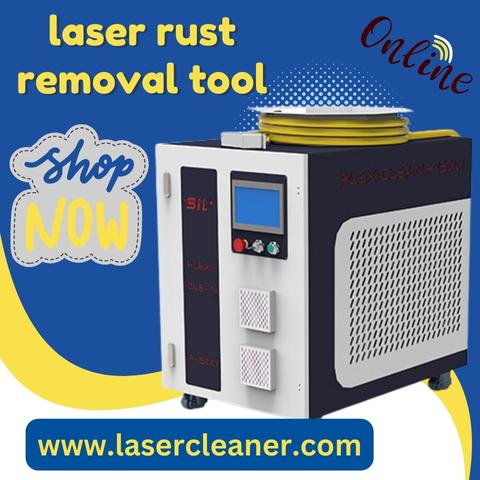
Rust can quickly change the appearance and condition of metal surfaces. From industrial equipment and automotive parts to tools, machinery, molds, and structural components, corrosion can reduce surface quality and create additional maintenance work. Traditional rust removal methods often require considerable manual effort and may involve abrasive materials or chemical products. As industries look for cleaner and more controlled maintenance processes, the laser rust removal tool has become an increasingly practical option for treating corrosion.
Laser technology provides a precise way to remove rust and other unwanted surface contaminants while allowing operators to work with greater control. Modern systems are available in different configurations, including portable and handheld designs, making them suitable for workshops, factories, maintenance teams, restoration projects, and industrial production environments.
Understanding Laser Rust Removal
A laser rust removal tool uses concentrated laser energy to interact with rust and other contaminants on a metal surface. When the laser beam reaches the contaminated area, the energy causes the rust layer to detach from the underlying material. The process can be carefully controlled according to the type of metal, thickness of contamination, and required cleaning result.
Unlike methods that physically scrape or blast a surface, laser cleaning works through controlled energy rather than direct mechanical contact. This makes the technology particularly interesting for applications where surface precision is important.
Rust is commonly composed of iron oxides that form when iron or steel reacts with oxygen and moisture. Over time, these layers can become difficult to remove manually. Laser cleaning offers a focused method for addressing these deposits while allowing the operator to move across the affected area systematically.
Where a Laser Rust Removal Tool Can Be Used
The range of possible applications is one reason laser cleaning technology has attracted attention across different industries. Workshops can use laser systems for restoring metal components, while manufacturing facilities can incorporate them into maintenance procedures.
Automotive applications may include cleaning engine components, metal parts, tools, brackets, and other corrosion-affected surfaces. In industrial environments, the technology can be used for machinery maintenance, equipment refurbishment, and preparation of metal surfaces before additional processing.
Metal fabrication businesses may also use a laser rust removal tool when preparing components for welding, coating, painting, or inspection. Removing unwanted oxidation can help create a cleaner surface for subsequent operations.
Restoration work is another area where controlled cleaning is important. Metal objects, machinery, architectural components, and historical items may require careful treatment to remove corrosion without unnecessary surface disturbance. In these situations, the ability to control the laser process is especially valuable.
Handheld Laser Rust Removal for Flexible Work
Portable and handheld laser systems have expanded the practical use of laser cleaning technology. A handheld laser rust removal tool allows an operator to move around large components or access areas where fixed equipment may not be convenient.
The operator can guide the laser head across the affected surface in a controlled pattern. This approach can be useful when working with machinery, metal frames, large tools, automotive components, and other objects that are difficult to transport.
For maintenance teams, portability can also simplify on-site cleaning tasks. Instead of moving heavy equipment or large metal components to a dedicated cleaning area, the laser system can potentially be taken directly to the work location, depending on the equipment configuration and safety requirements.
Preparing Metal Surfaces for Further Processing
Surface preparation plays an important role in many manufacturing and maintenance operations. Before painting, welding, coating, or inspection, rust and other contaminants may need to be removed from the workpiece.
A laser rust removal tool can provide a controlled cleaning stage before these processes. By removing oxidation and unwanted deposits from selected areas, operators can prepare the metal for the next production or maintenance step.
For welding applications, proper surface preparation can be particularly important because contaminants on a joint can interfere with the working area. Cleaning the relevant region before welding helps establish a more suitable surface for the operation.
Similarly, coating and painting projects require appropriate surface preparation. Removing rust and contamination can help create a cleaner base for subsequent treatment.
Choosing the Right Laser Cleaning Equipment
Different rust removal applications require different equipment configurations. When selecting a laser rust removal tool, businesses should consider the materials they normally process, the amount of rust involved, the size of their workpieces, and the working environment.
Laser power is an important consideration. Lower-power systems may be suitable for lighter cleaning tasks, while more demanding industrial applications may require higher-power equipment. The appropriate selection depends on the material and contamination rather than simply choosing the highest available power.
Operating mode is another factor. Some systems are designed for continuous industrial work, while others are intended for portable maintenance and workshop applications. Handheld systems can provide flexibility, whereas integrated systems may be more appropriate for production lines or repetitive processes.
The cleaning area and working distance should also be considered. Businesses handling small components may have different requirements from facilities cleaning large industrial structures.
Materials Commonly Treated
Laser cleaning technology can be applied to various metal surfaces when the equipment and operating parameters are properly matched to the material. Steel and iron components are common targets for rust removal because oxidation develops readily on these metals.
Other metal surfaces may also require laser cleaning for oxidation, coatings, oil, dirt, or other contaminants. However, every material responds differently to laser energy. Operators should therefore follow equipment specifications and establish appropriate settings before processing valuable or sensitive components.
Testing on a representative area can help determine suitable operating parameters and cleaning movement before a larger surface is treated.
A More Controlled Cleaning Process
One important aspect of laser cleaning is the ability to direct energy toward a specific area. The operator can work systematically across the contaminated surface instead of treating an entire component unnecessarily.
This level of control can be useful when only certain sections of a component are affected by rust. It also allows the cleaning process to be adapted to different contamination levels across the same workpiece.
Modern laser cleaning equipment may include adjustable parameters that allow users to modify the process according to the application. Proper training and equipment knowledge are essential for achieving consistent results.
Maintenance and Industrial Applications
Regular maintenance is essential for machinery and equipment used in demanding industrial environments. Rust can develop when metal components are exposed to moisture, chemicals, outdoor conditions, or prolonged storage.
A laser rust removal tool can become part of a maintenance program for treating corrosion before it spreads further. Maintenance personnel can use controlled cleaning procedures to prepare components for inspection, repair, repainting, or other servicing.
Factories, workshops, shipyards, construction businesses, automotive facilities, and metalworking companies may all have applications where corrosion removal is required. The exact suitability depends on the equipment, material, workplace conditions, and cleaning requirements.
Safety and Proper Operation
Laser cleaning equipment must be operated responsibly. Industrial laser systems can produce powerful beams that require appropriate safety controls. Operators should follow the manufacturer's instructions and use the recommended protective equipment.
The work area should be arranged to prevent unintended exposure to laser radiation. Appropriate ventilation and protective measures should also be considered because removing coatings, rust, paint, or other contaminants can generate particles or fumes.
Training is important before using professional laser equipment. Operators should understand the controls, material response, safety procedures, and recommended operating parameters. Proper preparation helps maintain a safe and productive working environment.
Growing Interest in Laser Rust Removal
As manufacturers and maintenance professionals search for more precise surface treatment methods, laser cleaning continues to attract interest. Improvements in portable equipment, laser technology, control systems, and industrial cleaning solutions are making the technology increasingly accessible to different types of businesses.
For companies dealing with recurring corrosion problems, investing in suitable laser cleaning equipment can introduce a dedicated approach to metal surface maintenance. The technology can be incorporated into workshops, production environments, repair facilities, and specialized restoration operations.
Final Thoughts
A laser rust removal tool provides a modern method for addressing corrosion on metal surfaces with controlled laser energy. Its applications can range from workshop maintenance and automotive components to industrial machinery, fabrication, restoration, and surface preparation.

 English
 Arabic
 French
 Spanish
 Portuguese
 Deutsch
 Turkish
 Italiano
 Russian
 Romaian
 Portuguese (Brazil)
 Greek