


Handheld Laser Rust Remover: Modern Cleaning for Metal Restoration
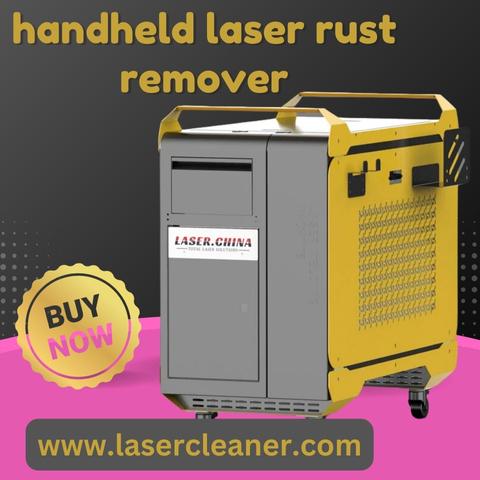
Rust is one of the most common problems affecting metal surfaces in workshops, factories, construction sites, automotive facilities, and maintenance operations. When moisture and oxygen react with exposed metal, corrosion gradually develops and can change the appearance, texture, and working condition of components. Traditional rust removal methods often involve abrasive materials, chemical treatments, or intensive manual work. Modern laser technology provides another approach through precise and controlled surface cleaning.
A handheld laser rust remover is designed to remove rust and other unwanted contaminants from metal surfaces by directing concentrated laser energy toward the affected area. Its portable design allows operators to work on different components, structures, machinery, and hard-to-reach surfaces. As laser cleaning technology continues to develop, these machines are becoming increasingly relevant for businesses searching for practical and controlled metal restoration solutions.
What Is a Handheld Laser Rust Remover?
A handheld laser rust remover is a laser cleaning machine equipped with a portable cleaning head that an operator can guide across a contaminated metal surface. Instead of relying on physical contact or chemical agents, the system uses laser energy to interact with rust, oxide layers, paint residues, dirt, and other surface contaminants.
When the laser beam reaches the contaminated layer, the absorbed energy causes the unwanted material to separate from the underlying surface. Properly selected laser parameters allow the operator to control the cleaning process according to the type of material, thickness of contamination, and condition of the workpiece.
The handheld format is particularly useful when the objects being cleaned cannot easily be moved into a fixed cleaning station. Large machinery, metal frames, industrial components, pipes, molds, automotive parts, and fabricated structures can be treated directly at their working location.
How Laser Rust Removal Works
The basic process begins with directing the laser cleaning head toward the rusted area. The laser emits controlled pulses or a continuous beam, depending on the machine configuration and cleaning application. Rust generally absorbs the laser energy differently from the underlying metal.
As the contaminated layer receives sufficient energy, it is rapidly removed from the surface. The operator moves the cleaning head systematically across the affected area, allowing the laser to treat the required sections.
Cleaning parameters such as laser power, scanning speed, frequency, and beam characteristics can be adjusted according to the application. This allows operators to work with different metals and contamination levels while maintaining greater control over the cleaning process.
Before treating an important component, testing on a small and less visible section is recommended. This helps establish suitable operating parameters and confirms how the particular material responds to the laser.
Applications Across Industrial Workplaces
The use of a handheld laser rust remover is not limited to one particular industry. Metalworking workshops can use laser cleaning systems for preparing components before welding, coating, painting, or further fabrication.
Automotive businesses may use laser cleaning for components affected by rust, grease, oxidation, and accumulated residues. Restoration workshops can also use controlled laser cleaning when working with older metal parts that require careful surface treatment.
In manufacturing environments, laser cleaning can be incorporated into maintenance operations. Machinery components, molds, tools, metal fixtures, and production equipment may accumulate oxidation and contaminants during regular use. Cleaning these surfaces can help prepare them for inspection, maintenance, repair, or subsequent processing.
Construction and infrastructure companies can also consider portable laser cleaning for metal structures, frames, equipment, and fabricated parts exposed to outdoor conditions.
Cleaning Rust Before Welding
Surface preparation is an important part of welding work. Rust, oxidation, paint, oil, and other contaminants can interfere with the preparation of a metal surface. A handheld laser cleaning system can be used to remove unwanted layers from selected welding areas before fabrication.
For example, a workshop working with steel components may clean the areas surrounding a planned weld before beginning the welding operation. Removing contamination from the relevant surface can create a cleaner working area and make subsequent fabrication processes easier to manage.
The exact cleaning settings should always be selected according to the metal type and application. Different materials respond differently to laser energy, so operators should follow the equipment manufacturer's operating instructions.
Rust Removal From Automotive Components
Automotive components frequently encounter moisture, road contaminants, oil, and environmental exposure. Over time, these conditions can contribute to corrosion on metal parts.
A handheld laser rust remover provides a portable method for treating selected automotive components without requiring large-scale dismantling in every situation. Workshops may use laser cleaning for brackets, tools, metal housings, suspension-related components, engine parts, and other suitable metal surfaces.
Because the laser cleaning head can be moved manually, the operator can follow the shape of the component and concentrate cleaning on specific areas. This is especially useful for components with corners, edges, grooves, and irregular surfaces.
Surface Preparation for Painting and Coating
Proper surface preparation plays an important role before painting or applying protective coatings. Existing rust, oxidation, dirt, and old surface contamination can affect the preparation process.
Laser cleaning can be used to remove selected contaminants before a new coating is applied. Once the unwanted layer has been removed, the surface can be inspected and prepared for the next stage according to the coating manufacturer's requirements.
For industrial maintenance teams, this creates a practical workflow in which cleaning becomes part of the preparation process rather than relying exclusively on manual scraping or abrasive methods.
Restoration and Maintenance Work
Metal restoration often requires a careful approach because the objective is not simply to remove everything from the surface. Older components may contain detailed patterns, markings, edges, or historically important surface characteristics.
Laser cleaning allows operators to work gradually and adjust the cleaning parameters according to the condition of the material. This makes the technology relevant to restoration workshops handling metal tools, machinery parts, decorative components, industrial artifacts, and other objects where controlled cleaning is important.
Operators should always assess the material before starting. A test area can provide useful information about the interaction between the laser and the surface.
Choosing the Right Cleaning System
When selecting a handheld laser cleaning machine, buyers should consider the types of materials and contaminants they expect to process. Rust thickness, workpiece size, cleaning frequency, and production requirements can all influence the appropriate machine configuration.
Laser power is another important consideration. Lower-power systems may be suitable for lighter cleaning applications, while more demanding industrial operations may require higher power levels. The choice should be based on the actual cleaning workload rather than simply selecting the highest available specification.
The cleaning head, scanning system, operating controls, cooling method, and available parameter adjustments should also be evaluated. Reliable technical support and access to operating guidance can be valuable when introducing laser cleaning technology into a workshop.
Operating a Handheld Laser Cleaning Machine
Safe operation requires proper training and attention to the manufacturer's instructions. Laser equipment should be used in an appropriately controlled working environment, with suitable protective equipment and safety procedures.
Operators should understand the machine's controls, laser classification, protective requirements, emergency procedures, and recommended working distances before beginning production work.
The workpiece should also be inspected before cleaning. Identifying the base material, contamination type, surrounding components, and surface condition helps determine an appropriate cleaning approach.
Maintenance and Long-Term Use
Regular machine maintenance is important for consistent operation. Operators should follow the manufacturer's recommended inspection and maintenance schedule for the laser source, cooling system, optical components, cables, cleaning head, and other relevant parts.
Keeping the working environment clean can also reduce the accumulation of dust and contaminants around the equipment. Proper storage and handling of the handheld cleaning head can help maintain the equipment in suitable working condition.
Businesses introducing laser cleaning into daily operations should also provide operators with clear procedures for setup, cleaning, inspection, shutdown, and routine maintenance.
The Growing Role of Laser Cleaning
As manufacturing and maintenance industries continue to seek more controlled surface preparation methods, laser cleaning technology is gaining attention. Portable systems are particularly relevant for companies that work with large structures, heavy machinery, fixed equipment, or components that are difficult to transport.
The handheld laser rust remover represents a modern approach to treating corrosion and surface contamination. Its portable format allows cleaning work to be performed across different locations and component types while giving operators direct control over the cleaning process.
Final Thoughts
Rust can gradually affect metal components and create additional challenges during manufacturing, maintenance, restoration, and repair. Modern laser cleaning technology provides a controlled method for addressing rust and other surface contaminants without depending entirely on traditional cleaning techniques.

 English
 Arabic
 French
 Spanish
 Portuguese
 Deutsch
 Turkish
 Italiano
 Russian
 Romaian
 Portuguese (Brazil)
 Greek