


Refreshing and Repairing Exterior Structures in the Bronx
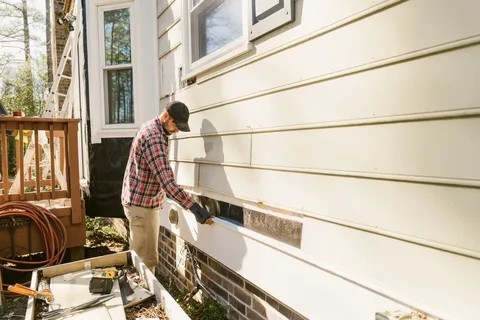
The exterior of a building plays an important role in its appearance, durability, and protection from changing weather conditions. Over time, siding, trim, walls, doors, and other outdoor surfaces can become faded, worn, cracked, or damaged. Regular attention to these areas can help maintain the overall condition of a residential or commercial property.
When a property needs a noticeable visual update, Exterior Refinishing Bronx can address worn surfaces while giving the building a cleaner and more refreshed appearance. Refinishing may involve preparing existing materials, repairing minor surface issues, applying suitable coatings, and restoring exterior details that have lost their original appearance. The right approach depends on the condition and material of each surface.
Inspect the Exterior Before Work Begins
A careful inspection should come before any refinishing project. Look for peeling finishes, cracks, water stains, damaged trim, loose materials, and areas where moisture may have entered the structure. Identifying these conditions early helps determine whether a surface only needs refinishing or requires more extensive repairs.
Prepare Surfaces Properly
Surface preparation is one of the most important stages of exterior work. Dirt, loose paint, deteriorated coatings, and other debris may need to be removed before new materials are applied. Depending on the surface, preparation can include cleaning, scraping, sanding, patching, or replacing damaged sections. Proper preparation allows refinishing materials to bond more effectively and creates a more consistent finished appearance.
Address Damage Before Refinishing
Applying a new finish over damaged materials can hide problems temporarily without addressing their underlying causes. Cracks, rot, loose components, and areas affected by moisture should be evaluated before refinishing begins. Repairing these conditions first creates a more suitable surface for the finishing stage and helps prevent small issues from becoming larger maintenance concerns.
Consider Different Exterior Materials
Buildings in the Bronx can feature a variety of exterior materials, including wood, masonry, stucco, metal, and composite products. Each material has different preparation and maintenance requirements. A treatment that works well for one surface may not be appropriate for another. Understanding the existing material helps determine which repair methods, coatings, and finishing products are suitable.
Protect Vulnerable Areas
Exterior structures are continually exposed to rain, snow, wind, temperature changes, and sunlight. Areas around windows, doors, roof edges, joints, and other openings can be particularly vulnerable to moisture intrusion. During an exterior project, these areas should receive careful attention so that visible improvements are supported by sound surface conditions.
Plan Repairs Around Long-Term Maintenance
Exterior improvements should also be considered from a maintenance perspective. Choosing suitable materials and finishes can make future cleaning and upkeep more manageable. Property owners can also establish regular inspections to identify peeling coatings, damaged trim, cracks, or other changes before they require extensive work.
Repair Structural Exterior Problems
Some exterior issues go beyond appearance and may affect the condition of the building itself. Damaged framing, deteriorated wall sections, loose exterior components, and moisture-related deterioration may require repair before cosmetic work can continue. In these situations, Exterior Structure Repair Bronx can focus on restoring affected exterior elements and addressing damage that may compromise the property's condition.
Coordinate Refinishing and Repairs
Refinishing and structural repairs often work best when they are treated as connected parts of the same exterior improvement project. Repairs can restore damaged areas, while refinishing can provide a consistent appearance across the completed surfaces. Coordinating both stages can also reduce the need to disturb newly finished areas later.
Final Thoughts
Maintaining a building's exterior involves more than improving its appearance. Regular inspections, proper surface preparation, timely repairs, and appropriate finishing methods can all contribute to better long-term upkeep. Whether a property needs refreshed exterior surfaces or repairs to damaged components, planning the work around the building's existing condition can help create a durable and orderly result.

 English
 Arabic
 French
 Spanish
 Portuguese
 Turkish
 Dutch
 Italiano
 Russian
 Romaian
 Portuguese (Brazil)
 Greek