


Understanding Vehicle Recovery Services for Portland Drivers
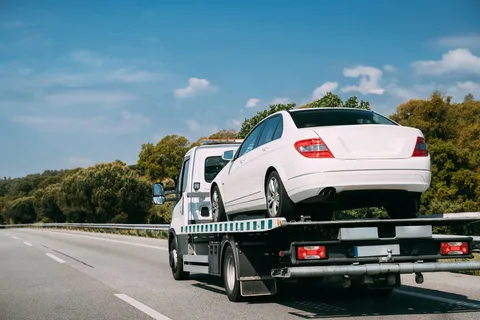
Unexpected vehicle problems can happen at any time, from collision damage to mechanical failures that leave a car unable to continue. Having a clear understanding of recovery options can help drivers make safer decisions when their vehicle needs to be moved from a roadway, parking area, or accident location.
When a vehicle becomes disabled, Vehicle Recovery Services Portland OR can provide transportation and recovery options suited to different situations. Depending on the vehicle's condition and location, recovery may involve towing equipment, winching, or other methods designed to move the vehicle safely.
When Vehicle Recovery May Be Necessary
Vehicle recovery can become necessary for several reasons. A car may stop running because of a mechanical problem, become stuck after leaving the roadway, or suffer damage during a collision. In each situation, the method used to move the vehicle can depend on its condition and surroundings.
A vehicle with damaged wheels or suspension components may need careful loading, while a car positioned in a difficult location may require additional equipment before it can be transported. Providing accurate details about the situation can help determine the appropriate approach.
Different Recovery Situations
Not every recovery call involves an accident. Vehicles can become immobilized because of flat tires, engine problems, electrical failures, or other mechanical issues. Some may also become stuck in locations where ordinary towing is difficult.
Recovery services can help address these different circumstances by using suitable equipment and techniques. The objective is to move the vehicle from its current position and transport it to a location where it can be repaired or otherwise handled.
Handling Damaged Vehicles
Collision-damaged vehicles require particular attention because important mechanical or structural components may be affected. Even if the vehicle appears capable of moving, driving it after an accident could create additional risks if the steering, brakes, wheels, or suspension have been damaged.
Before moving the vehicle, its condition should be considered carefully. Photos and clear descriptions of visible damage can help communicate the situation and allow the recovery provider to prepare appropriate equipment.
Choosing the Right Transportation Method
The condition of a vehicle often determines how it should be transported. Flatbed towing can be useful when a vehicle needs to remain off the road during transportation. Other recovery equipment may be appropriate when the vehicle cannot roll normally or needs to be repositioned before loading.
The vehicle's size and weight should also be considered. Larger vehicles may require equipment capable of safely supporting their dimensions and weight. Providing these details in advance can help avoid delays when the recovery team arrives.
What to Do at the Recovery Location
Safety should be the first priority when a vehicle becomes disabled. If the vehicle is located near moving traffic, drivers should move to a safer position when possible and follow appropriate emergency procedures.
When requesting assistance, drivers should provide the location, vehicle type, condition, and any visible obstacles. If the vehicle is stuck, damaged, or positioned at an unusual angle, explaining these details can help the recovery provider prepare for the situation.
Accident Recovery Considerations
After a collision, the vehicle may need to be removed from the roadway before it can be taken to a repair facility. Accident Recovery Services Portland OR can help with situations where a damaged vehicle requires careful transportation after a crash.
Accident recovery may involve securing loose components, positioning the vehicle correctly, and selecting equipment suited to the damage. Once the vehicle is recovered, it can be transported to a repair shop, storage facility, inspection location, or another appropriate destination.
Working With Insurance and Repair Facilities
Following an accident, drivers may need to coordinate with an insurance provider and repair facility. Knowing the intended destination before the vehicle is moved can help avoid unnecessary transportation between locations.
Keeping photographs, receipts, towing documentation, and other relevant records can also make it easier to organize the claims or repair process. Drivers should follow their insurance provider's instructions when specific procedures apply.
Preparing for Future Recovery Needs
It is useful to keep important roadside contacts accessible before an emergency occurs. Drivers can also review their insurance or roadside assistance coverage to understand what types of towing or recovery services may be available.
Regular maintenance can help reduce the likelihood of some breakdowns, but unexpected problems can still occur. Knowing how to respond when a vehicle becomes disabled can make the situation less stressful and help drivers focus on getting themselves and their vehicle to a safe location.
Final Thoughts
Vehicle problems and accidents can happen without warning, leaving drivers unsure about how to move a disabled car safely. Understanding available recovery options can help drivers make informed decisions and avoid attempting transportation methods that could worsen existing damage.
Whether the vehicle has experienced a mechanical breakdown, become stuck, or been damaged in a collision, the right recovery approach depends on its condition and location. Careful planning, accurate communication, and appropriate equipment can make the recovery process more manageable for drivers throughout Portland.

 English
 Arabic
 Spanish
 Portuguese
 Deutsch
 Turkish
 Dutch
 Italiano
 Russian
 Romaian
 Portuguese (Brazil)
 Greek