Find the Right Surgical Instruments Near Me for Your Requirements
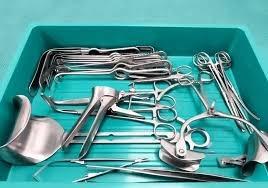
Finding reliable surgical instruments near me is important for hospitals, clinics, laboratories, medical professionals, and surgical supply businesses. Surgical instruments are used for different medical procedures, and each tool has a specific purpose. From scissors and forceps to needle holders and retractors, healthcare professionals need instruments that are suitable for their work and made with attention to quality.
When searching for surgical instruments, buyers should look beyond convenience. The quality of materials, product design, finishing, and available documentation can all influence the selection process. A reliable supplier can help customers understand the available options and choose instruments that meet their professional requirements.
Whether you manage a medical facility or purchase equipment for a surgical supply business, finding a suitable source can make the buying process easier. By understanding the different types of instruments and what to check before purchasing, you can make a more informed decision.
Why Searching for Surgical Instruments Near Me Is Important
Searching for surgical instruments near me helps buyers find suppliers who serve their local area. Local purchasing can make communication easier, allow buyers to discuss product requirements directly, and provide more convenient options for checking product specifications before placing an order.
Hospitals and clinics often require instruments for different departments, while medical supply businesses may need a wider selection for their customers. Finding a supplier who understands these requirements can save time and reduce confusion during the purchasing process.
Local availability is also useful when buyers need to ask questions about instrument sizes, materials, intended uses, and maintenance requirements. However, not every nearby supplier offers the same products or level of service. It is important to check product information and supplier reliability before making a purchase.
Explore Different Types of Surgical Instruments
Surgical instruments are designed to support specific tasks during medical procedures. Their shape, size, construction, and handling features depend on the work they are intended to perform. Understanding these differences helps medical buyers choose appropriate tools for their facilities.
Surgical Scissors for Accurate Cutting
Surgical scissors are used for cutting tissue, sutures, dressings, and other materials, depending on their design. Different styles are available for different applications, including straight and curved scissors. Some instruments are intended for delicate work, while others are designed for handling stronger materials.
When choosing surgical scissors, buyers should consider the blade design, overall construction, cutting action, and intended application. The instrument should be appropriate for its specific task and maintained according to the manufacturer's instructions.
Forceps for Holding and Handling
Forceps are commonly used in surgical and medical settings to hold, grasp, or manipulate materials. Different designs provide different levels of grip and control, making it important to select the right type for the intended procedure.
A good-quality instrument should have a suitable shape, a comfortable grip, and a functional design. Buyers should also review the material and finishing to ensure the product meets their requirements.
Needle Holders for Suturing Procedures
Needle holders are designed to hold surgical needles during suturing. They help trained medical professionals maintain control while placing stitches. Different models are available to suit different procedures and needle sizes.
When purchasing needle holders, healthcare facilities should review the locking mechanism, jaw design, grip, and product specifications. These details can help buyers identify an instrument suitable for the work performed in their medical setting.
Retractors for Surgical Access
Retractors are used to hold back tissue or other structures to provide access to a particular area during a surgical procedure. They come in different shapes and sizes, depending on their intended use.
Selecting a suitable retractor requires attention to its dimensions, construction, and intended application. Medical professionals should choose products that meet the requirements of the procedure and follow the appropriate instructions for safe use.
Choose Stainless Steel Surgical Instruments Carefully
Stainless steel is widely used in the production of many reusable surgical instruments. It can offer strength, corrosion resistance, and suitability for repeated reprocessing when the correct material grade, design, and care procedures are used.
However, not all stainless steel instruments are identical. Material composition, surface finishing, manufacturing quality, and intended use can vary between products. Buyers should therefore review the manufacturer's specifications instead of judging an instrument by its appearance alone.
Proper care is equally important. Reusable instruments must be cleaned, disinfected, inspected, and sterilized according to their validated instructions and the healthcare facility's infection prevention procedures. Appropriate handling helps maintain the instrument and supports safe clinical practice.
Surgical Instruments Near Me for Hospitals and Clinics
Hospitals and clinics need different instruments depending on the departments they operate and the services they provide. A general examination room may require a different range of tools from a specialized surgical department. Understanding these requirements before purchasing can help facilities avoid ordering unsuitable products.
A reliable surgical instrument supplier should provide clear information about product types, dimensions, materials, intended applications, and care instructions. This information allows healthcare professionals and purchasing teams to compare available options more effectively.
Medical facilities should also consider how instruments will be stored, inspected, and maintained after purchase. A suitable purchasing decision involves more than selecting the correct product. It also requires a clear plan for handling and maintaining the instrument throughout its service life.
What to Check Before Buying Surgical Instruments
When looking for surgical instruments near me, it is useful to assess the supplier and the products carefully. Buyers should begin by confirming the exact type of instrument they need and understanding its intended application. This helps them compare products with similar functions and avoid confusion between different designs.
Material information is another important consideration. Buyers should ask about the instrument's construction, finish, and suitability for the cleaning and sterilization methods used by their facility. Instruments intended for repeated use should have clear reprocessing instructions.
Quality documentation can also help buyers make a better decision. Depending on the product and market, relevant records may include material specifications, inspection information, instructions for use, and applicable regulatory documentation. Any claims about certifications or compliance should be verified.
Packaging, order accuracy, communication, and after-sales support may also affect the purchasing experience. A professional supplier should be able to explain its products clearly and respond to reasonable questions about specifications and availability.
The Importance of Precision in Surgical Instrument Design
Precision is an important part of surgical instrument manufacturing. Many instruments have moving parts, carefully shaped tips, cutting edges, or locking mechanisms that must work as intended. Differences in design or manufacturing quality can affect how an instrument handles during a procedure.
Manufacturers may use specialized machinery, skilled technicians, and inspection procedures to maintain consistent product quality. Depending on the instrument, quality checks may include dimensional measurements, visual examination, functional testing, and assessment of the finished surface.
Buyers searching for surgical instruments should consider these manufacturing details when evaluating suppliers. Clear specifications and appropriate quality controls provide more useful information than general claims that a product is the best or most durable.
Finding a Surgical Instrument Supplier in Lahore
For buyers in Lahore, searching for surgical instruments near me can help identify local medical equipment suppliers and manufacturers. Lahore serves a wide range of healthcare facilities, including hospitals, private clinics, diagnostic centers, and medical supply businesses.
Before choosing a supplier, customers should confirm that the business offers the specific instruments they require. Some suppliers focus on general medical equipment, while others specialize in surgical tools or particular product categories. Checking the product range in advance can make the search more efficient.
Buyers should also ask whether the supplier can provide product specifications, suitable documentation, and information about maintenance. If a particular instrument is not available locally, the supplier may be able to explain alternative ordering options. Delivery arrangements and stock availability should always be confirmed directly rather than assumed.
Reusable and Single-Use Surgical Instruments
Surgical instruments may be designed for reuse or for single use, depending on their materials, construction, intended purpose, and applicable requirements. Understanding the difference is important when selecting equipment for a healthcare facility.
Reusable instruments must be suitable for the required cleaning and sterilization processes. They also need regular inspection to identify damage, corrosion, worn components, or other problems that could affect their function. The manufacturer's care instructions should always be followed.
Single-use instruments are intended to be used once and then discarded according to applicable healthcare waste procedures. They should not be reused unless the product is specifically covered by an authorized and appropriate reprocessing system. Healthcare facilities should select either type according to clinical needs, product labeling, and relevant regulations.
How Reliable Suppliers Support Medical Professionals
A dependable surgical instrument supplier does more than provide products. Clear communication, accurate product information, and responsive customer service can help medical professionals make suitable purchasing decisions.
For larger orders, buyers may need assistance comparing instrument types, confirming quantities, or checking product specifications. Hospitals and medical supply businesses may also require consistent documentation to support their purchasing and inventory processes.
Suppliers who understand these needs can help customers navigate their options more effectively. Nevertheless, healthcare professionals remain responsible for selecting instruments appropriate for their procedures and ensuring that they are used by trained personnel according to established clinical practices.
Conclusion: Find Suitable Surgical Instruments Near Me
Finding the right surgical instruments near me starts with understanding your requirements and choosing products carefully. Whether you need surgical scissors, forceps, needle holders, retractors, or other medical tools, each instrument should be suitable for its intended purpose.
Before purchasing, review the material, construction, product specifications, maintenance instructions, and available quality documentation. If you are searching in Lahore or another local area, confirm the supplier's location, product availability, and ability to meet your requirements.
By focusing on product suitability, verified quality, and clear supplier communication, hospitals, clinics, and medical supply businesses can make informed decisions when sourcing surgical instruments. Choosing appropriate tools and maintaining them correctly helps support professional medical practice and the needs of healthcare facilities.




 English
 Arabic
 French
 Spanish
 Portuguese
 Deutsch
 Turkish
 Dutch
 Italiano
 Russian
 Romaian
 Portuguese (Brazil)