


Chemical Industries in Pakistan: Driving Industrial Growth and Building a Stronger Future
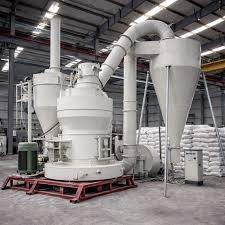
Discover the Growing Role of Chemical Industries in Pakistan
The chemical industries in Pakistan play an important role in the country's industrial development. From agriculture and textiles to medicines, construction materials, food production, and household products, many sectors depend on chemicals to support their daily operations. These industries provide essential raw materials, help manufacturers improve product quality, and support the growth of local businesses.
Pakistan has a wide range of industrial activities that require chemical products for manufacturing, processing, cleaning, and production. As businesses continue to expand, the need for reliable chemical suppliers and manufacturers also grows. Chemical companies help meet these needs by providing products for different industrial applications.
The chemical sector is not limited to producing one type of material. It includes many fields, such as industrial chemicals, fertilizers, paints, plastics, cleaning agents, pharmaceutical ingredients, and textile processing chemicals. Each field serves a different purpose, but all contribute to the country's economy and manufacturing capacity.
Understanding the chemical industry helps businesses identify suitable suppliers, learn about available products, and understand how chemical manufacturing supports other industries across Pakistan.
Understanding the Chemical Industry in Pakistan
The chemical industry includes businesses that manufacture, process, distribute, or supply chemical substances for commercial and industrial use. Some companies produce chemicals from basic raw materials, while others prepare specialized formulations for particular manufacturing processes. There are also businesses that import and distribute products that are not widely produced locally.
In Pakistan, chemical products are used by large factories, small manufacturing units, agricultural businesses, laboratories, construction companies, and many other organizations. Their requirements vary according to the products they make and the processes they use.
For example, a textile factory may need dyes and finishing chemicals, while a construction company may require admixtures and protective coatings. A food processing facility may use approved cleaning and sanitation chemicals, whereas an agricultural business may depend on fertilizers and crop protection products.
This wide range of applications makes the chemical sector an important part of the country's supply chain. It connects raw material suppliers with manufacturers and helps businesses produce goods for both local customers and export markets.
Major Types of Chemical Industries in Pakistan
The chemical sector covers several important categories, each serving different industrial needs. Basic and industrial chemicals are used as raw materials in manufacturing and processing. These may include acids, alkalis, solvents, and other substances used in controlled industrial applications.
The fertilizer industry supports agriculture by supplying products that help farmers manage soil nutrients and improve crop production. Pakistan's agricultural sector relies on fertilizers to support the cultivation of major crops, although the correct type and quantity depend on soil conditions and crop requirements.
Petrochemical and polymer-related industries provide materials used in plastics, packaging, synthetic fibers, and other manufactured goods. These materials are important for producing containers, pipes, films, household items, and industrial components.
Specialty chemical companies focus on products designed for specific applications. Their products may include water treatment chemicals, textile auxiliaries, adhesives, industrial cleaners, coatings, and additives. These products often help manufacturers improve performance, maintain quality, or meet the technical requirements of their processes.
Chemical Manufacturers Supporting Pakistan's Textile Industry
Textiles are an important part of Pakistan's manufacturing and export economy. Textile factories use different chemicals during activities such as washing, bleaching, dyeing, printing, and finishing. The quality of these chemicals can influence fabric appearance, color consistency, softness, and performance.
Chemical manufacturers and suppliers provide products that help textile businesses manage their production processes. Depending on the application, these products may include dyes, wetting agents, detergents, bleaching chemicals, finishing agents, and other textile auxiliaries.
Choosing suitable chemicals is important because different fabrics respond differently to treatment. Cotton, polyester, wool, and blended materials may require different processes and formulations. Manufacturers must also consider water quality, equipment, production conditions, and the desired properties of the finished fabric.
As textile businesses work to improve quality and meet customer requirements, demand continues for dependable chemical supply and technical support. Chemical companies that understand textile processing can help factories select suitable products and maintain more consistent results.
The Role of Chemical Industries in Agriculture
Agriculture supports millions of livelihoods in Pakistan, and chemical products play a role in modern farming practices. Fertilizers supply nutrients that crops need for growth, while certain crop protection products help farmers manage pests, weeds, and plant diseases when used correctly.
The fertilizer sector is particularly important because crop nutrient needs vary across regions and soil types. Farmers may require different fertilizer formulations depending on the crop, season, soil condition, and available water. Soil testing and suitable agricultural advice can help guide these decisions.
Chemical companies serving the agricultural sector contribute by manufacturing or supplying products used throughout the growing season. They may also provide information about product handling, storage, and application requirements.
Responsible use is essential. Agricultural chemicals should be selected for their intended purpose and applied according to approved directions. Proper handling helps protect farm workers, crops, water sources, and surrounding environments while supporting more effective farming practices.
Pharmaceutical and Healthcare Chemical Manufacturing
The pharmaceutical sector depends on a range of chemical materials used in the production of medicines and healthcare products. These may include active pharmaceutical ingredients, excipients, solvents, and other materials required for approved manufacturing processes.
In Pakistan, pharmaceutical manufacturers need dependable raw material sources to maintain product quality and meet applicable regulatory requirements. The suitability of a chemical depends on its intended use, purity, specifications, and compliance with relevant standards.
Companies supplying pharmaceutical materials must pay close attention to documentation, storage conditions, traceability, and quality control. These requirements are especially important because materials used in medicines must meet strict specifications.
The relationship between chemical suppliers and pharmaceutical manufacturers supports the wider healthcare supply chain. Reliable sourcing, proper testing, and controlled manufacturing processes all contribute to the consistent production of pharmaceutical products.
Chemical Industries Supporting Construction and Paint Manufacturing
Construction and infrastructure projects require many materials that depend on chemical technology. Paints, coatings, sealants, adhesives, waterproofing products, and concrete admixtures are examples of materials used in buildings, roads, factories, and other structures.
Paint manufacturers use pigments, resins, solvents, and additives to create coatings with different colors, finishes, and performance characteristics. The right formulation can help a coating meet requirements for appearance, durability, and resistance to particular environmental conditions.
Construction chemical suppliers also provide products designed to improve certain properties of cement-based materials, support waterproofing, or help protect surfaces. The appropriate product depends on the project design, the building material, and the conditions in which it will be used.
As Pakistan continues to develop residential, commercial, and industrial infrastructure, the need for reliable construction materials remains significant. Chemical manufacturers and suppliers help support this sector by providing products suited to specific building applications.
Industrial Chemical Suppliers in Lahore, Karachi, and Other Cities
Pakistan's chemical businesses operate through manufacturing facilities, industrial zones, warehouses, and distribution networks. Karachi is an important commercial and industrial center, while Lahore and other cities in Punjab support a wide range of manufacturing, textile, pharmaceutical, and trading activities. Other industrial areas across the country also contribute to chemical production and distribution.
For businesses, choosing a chemical supplier involves more than finding a company that sells the required product. Buyers need to check product specifications, availability, packaging, technical documents, and delivery arrangements. The supplier should understand the intended application and provide accurate information about safe handling and storage.
Companies purchasing chemicals for regular production may also need consistent batches and dependable communication. Changes in chemical quality can affect manufacturing processes, so reliable sourcing is important for maintaining product standards.
Businesses should verify that suppliers can provide appropriate safety data sheets and other relevant documentation. For regulated applications, it is also important to confirm that products meet the required specifications and applicable legal standards.
Quality Control and Safety in Chemical Manufacturing
Quality control is essential throughout the chemical industry. A product that does not meet its required specifications may affect manufacturing performance, equipment, finished goods, or workplace safety. For this reason, responsible chemical businesses use suitable testing and quality management procedures.
Quality checks may include verifying the identity of raw materials, testing important product properties, reviewing production records, and checking the final product against its specifications. The exact procedures depend on the type of chemical and its intended use.
Safety is equally important. Some chemicals can be corrosive, flammable, toxic, or harmful when handled incorrectly. Manufacturing facilities and warehouses need suitable storage arrangements, clear labeling, trained staff, and appropriate protective equipment.
Employees should understand the risks associated with the chemicals they handle and follow established procedures for transportation, use, and emergency response. Businesses should also maintain appropriate ventilation and prevent incompatible substances from being stored together.
Following relevant safety and environmental requirements helps protect workers, nearby communities, customers, and the wider environment.
Challenges and Opportunities for Chemical Industries in Pakistan
Chemical manufacturers and suppliers face several challenges, including the cost and availability of raw materials, energy requirements, transportation, changing market conditions, and the need to meet quality standards. Businesses that depend on imported materials may also face supply delays or changes in international markets.
Research and technical development can create opportunities for companies that want to improve production methods and develop products for specialized applications. Better process control, efficient resource use, and investment in suitable equipment may help manufacturers improve consistency and reduce waste.
Environmental management is another important area. Chemical production can generate wastewater, emissions, and other waste materials that require proper handling. Companies can improve their operations by using appropriate treatment systems, following applicable regulations, and reviewing opportunities to reduce resource consumption.
There are also opportunities for stronger cooperation between manufacturers, universities, laboratories, and technical experts. Such partnerships can support product development, employee training, and the adoption of improved manufacturing practices.
How to Choose a Reliable Chemical Company in Pakistan
Selecting the right chemical company starts with identifying the exact product and its intended application. Businesses should confirm the product's technical specifications, purity or concentration where relevant, packaging requirements, and suitability for their manufacturing process.
It is also important to review the supplier's experience, quality procedures, and ability to provide consistent products. For industrial purchases, buyers may need technical data sheets, safety data sheets, certificates of analysis, or other documents relevant to the product and its use.
Communication should be clear and professional. A dependable supplier should explain product limitations, handling requirements, and storage conditions instead of making unsupported claims. Businesses should also check delivery capabilities and confirm that products will arrive in suitable packaging.
For specialized or regulated applications, verify the supplier's relevant authorizations and the product's compliance with applicable requirements. Taking time to evaluate these factors can help businesses establish stronger supply relationships and avoid unnecessary production problems.
The Future of Chemical Industries in Pakistan
The future of chemical industries in Pakistan will depend on reliable manufacturing, technical knowledge, responsible production, and the ability to meet changing industrial needs. As sectors such as textiles, agriculture, construction, healthcare, and consumer goods continue to require specialized materials, chemical businesses will remain important to the country's industrial supply
- Art
- Causes
- Crafts
- Dance
- Drinks
- Film
- Fitness
- Food
- Jocuri
- Gardening
- Health
- Home
- Literature
- Music
- Networking
- Alte
- Party
- Religion
- Shopping
- Sports
- Theater
- Wellness

 English
 Arabic
 French
 Spanish
 Portuguese
 Deutsch
 Turkish
 Dutch
 Italiano
 Russian
 Portuguese (Brazil)
 Greek