


How Accent Walls Can Change the Feel of a Room
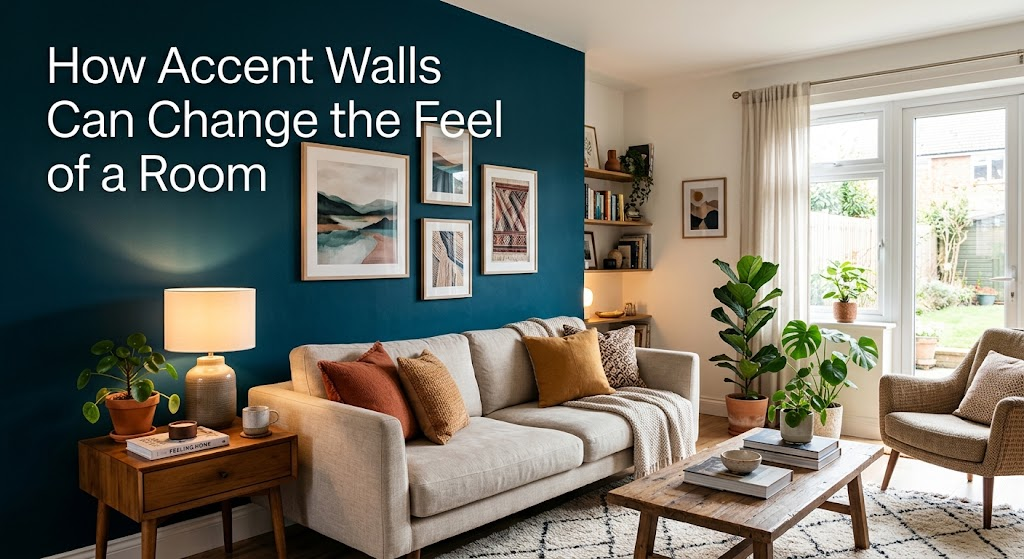
Sometimes, a room does not need a complete makeover to feel fresh and inviting. A simple change, such as painting one wall a different color, can make a surprising difference. Accent walls are a popular interior design choice because they add personality, create visual interest, and help define the character of a space without requiring a major renovation. Whether you want to make a small living room feel more spacious, give your bedroom a relaxing atmosphere, or add energy to a home office, the right accent wall can help you achieve your goal.
Choosing the right colors and finishes is an important part of the process. Working with an experienced Interior and exterior painting company in Valhalla can help homeowners select complementary shades, prepare surfaces properly, and achieve a polished finish that fits their home's overall style. With thoughtful planning, an accent wall can become a natural focal point rather than a feature that feels out of place.
What Is an Accent Wall?
An accent wall is a wall designed to stand out from the other walls in a room. It usually features a different paint color, wallpaper, decorative finish, or material that draws attention and adds contrast.
For example, a living room with soft beige walls might feature a deep green accent wall behind the sofa. Similarly, a bedroom with white walls could use a muted blue shade behind the headboard to create a calm, comfortable atmosphere.
Accent walls work because they introduce contrast without overwhelming the entire space. Instead of painting every wall a bold color, you can use one carefully selected surface to add depth, character, and visual balance.
How Accent Walls Change the Feel of a Room
1. They Create a Strong Focal Point
One of the biggest benefits of an accent wall is its ability to guide attention toward a particular area. Every room has features worth highlighting, such as a fireplace, an attractive headboard, a piece of artwork, or a beautiful architectural detail.
An accent wall helps direct the eye toward these elements. For instance, painting the wall behind a living room sofa in a contrasting shade can make the seating area feel more intentional and organized.
In a bedroom, a darker wall behind the bed can establish a clear focal point and give the room a more finished appearance. The same approach can work in dining rooms, where an accent wall behind the table creates a welcoming setting for family meals and gatherings.
The key is to choose a wall that naturally deserves attention instead of selecting one simply because it is convenient to paint.
2. They Add Depth and Dimension
Rooms with the same color on every wall can sometimes feel flat, especially when the furniture and flooring also have similar tones. An accent wall introduces contrast, helping the space feel more layered and visually interesting.
Dark colors, including navy blue, charcoal gray, and forest green, can create the impression of depth when used strategically. They may make a wall appear to recede, giving the room a more intimate or sophisticated feeling.
Lighter accent colors can also add dimension. A soft sage green or warm cream can distinguish one area without creating a dramatic contrast.
However, the result depends on the room's lighting, size, and layout. A dark accent wall in a small room can feel cozy and stylish, but it may seem heavy if the space has limited natural light and too many dark furnishings.
3. They Influence the Room's Mood
Color affects how a room feels, which makes accent walls especially useful for creating a particular atmosphere.
Different colors can support different moods:
- Blue: Often associated with calmness and relaxation, making it a popular choice for bedrooms and quiet spaces.
- Green: Brings a natural, balanced feeling that works well in living rooms, studies, and bedrooms.
- Terracotta: Adds warmth and an earthy character to dining areas and comfortable living spaces.
- Yellow: Introduces brightness and energy, especially when used in moderation.
- Charcoal gray: Creates a modern, refined look when balanced with lighter colors and warm materials.
- Soft pink: Can make a room feel gentle and inviting without appearing overly bold.
Your personal preferences matter just as much as general color associations. A color that feels relaxing to one person may feel dull to another.
Before committing to a shade, consider how you want to feel when entering the room. A peaceful bedroom calls for a different approach than an energetic playroom or a creative workspace.
4. They Make Small Rooms Feel More Interesting
Many homeowners assume that small rooms should have only white or very light walls. Although lighter colors can help a space feel open, a carefully planned accent wall can give a small room more character without making it feel crowded.
For example, a narrow entryway might benefit from a muted green wall paired with a light-colored floor and a simple mirror. A compact home office could use a deep blue background behind the desk to establish a clear working area.
The trick is to avoid introducing too many competing elements. Keep the remaining walls relatively simple, choose furniture that fits the room, and allow the accent wall to do most of the visual work.
Mirrors, good lighting, and uncluttered surfaces can further improve the sense of openness.
5. They Help Define Different Areas in Open Spaces
Open-plan homes often combine kitchens, dining rooms, and living areas into one large space. While this layout encourages movement and conversation, it can sometimes be difficult to distinguish one area from another.
Accent walls provide a simple way to create visual separation without building partitions.
For example, a contrasting wall behind the dining table can establish a dedicated dining zone. A different shade behind the living room sofa can make the seating area feel separate from the kitchen.
For the best results, select colors that complement one another. The areas should feel distinct while still belonging to the same overall design.
You can also repeat a small detail, such as a wood tone or decorative finish, throughout the space to maintain visual harmony.
Choosing the Right Wall for an Accent Feature
Not every wall is equally suitable for an accent color. The location you choose can influence how the entire room looks and feels.
Look for a Natural Focal Point
Walls behind beds, sofas, fireplaces, and dining tables are common choices because they already have a clear purpose. Painting these surfaces helps reinforce the room's existing layout.
A wall with attractive architectural details can also make a strong accent feature. If you have built-in shelves, decorative molding, or an interesting fireplace surround, consider how a contrasting color could highlight those elements.
Consider Windows and Natural Light
Natural light changes how paint colors appear throughout the day. A shade that looks warm and inviting in the morning may appear cooler in the evening.
Observe the wall at different times before choosing a final color. If the room receives limited sunlight, test deeper shades carefully and consider how artificial lighting will affect the finish.
Avoid Creating Too Many Focal Points
If every wall competes for attention, the room can feel visually confusing. One main accent wall is often enough for a standard living room or bedroom.
You can introduce additional color through cushions, rugs, artwork, and decorative objects instead of creating several bold walls.
Choosing Colors That Work With Your Existing Decor
An accent wall should complement the rest of the room rather than compete with it. Before selecting paint, consider the colors already present in your flooring, furniture, curtains, and decorative accessories.
If your room contains warm wood furniture, earthy shades such as olive green, clay, and warm beige may create a cohesive look. Rooms with cool gray furniture may work well with slate blue, muted teal, or carefully chosen neutral tones.
You do not need to match every color exactly. Instead, look for shades that share similar undertones or create an intentional contrast.
For example, a deep green accent wall can work beautifully with natural wood, cream upholstery, and brass-colored accessories. A navy wall may look striking alongside white furniture and light oak flooring.
Test Paint Samples Before Making a Decision
Paint colors often look different on a large wall than they do on a small sample card. Lighting, nearby colors, and surface texture can all influence the final appearance.
Apply sample patches to the wall and observe them over several days. Look at them in daylight, under evening lighting, and alongside your existing furnishings.
This small step can help prevent disappointment and reduce the likelihood of repainting later.
Accent Wall Finishes That Add More Character
Paint color is not the only way to create an accent wall. Different finishes can change the room's atmosphere and introduce additional visual interest.
Matte and Eggshell Finishes
Matte paint provides a soft, understated appearance that works well in bedrooms and living rooms. It can help reduce glare, although some matte products are less washable than more durable finishes.
Eggshell offers a subtle sheen and may be a practical option for many living areas. The best choice depends on the paint product, surface condition, and cleaning requirements.
Textured Paint and Decorative Techniques
Techniques such as color blocking, subtle geometric designs, and decorative paint effects can make a wall feel more personalized. These approaches are particularly useful in home offices, children's rooms, and contemporary interiors.
If you prefer a more traditional style, simple paneling or a restrained two-tone design may provide the character you want without overwhelming the space.
Wallpaper and Wood Accents
Wallpaper introduces patterns that paint alone cannot easily reproduce. Wood slats and decorative panels can add warmth and texture, especially in living rooms and bedrooms.
These options may require more preparation and installation work than a standard painted wall. Consider the room's moisture levels, maintenance needs, and overall design before selecting a material.
Preparing the Wall for a Professional-Looking Finish
Even the most beautiful paint color can look disappointing if the wall underneath is poorly prepared.
Start by removing dust, dirt, and grease. Fill small holes and repair cracks, then sand repaired areas until they are smooth. If the existing paint is peeling or the surface has stains, address those issues before applying a new finish.
Primer may be necessary when changing from a very dark color to a light one, covering stains, or painting certain new or repaired surfaces. Follow the paint manufacturer's instructions to determine which preparation steps are appropriate.
Use painter's tape to protect adjoining surfaces and apply paint with suitable brushes and rollers. Work carefully around corners, trim, outlets, and ceilings to create clean edges.
If you are coordinating interior improvements with other property projects, planning the work in the correct order is helpful. For instance, homeowners arranging exterior maintenance with Roofing Contractors in Golden's Bridge may want to schedule separate projects thoughtfully so that repairs, surface preparation, and painting do not interfere with one another.
Taking time to prepare properly usually produces a more consistent finish and helps the result look intentional rather than rushed.
Common Accent Wall Mistakes to Avoid
Accent walls are relatively simple design features, but a few mistakes can reduce their impact.
Choosing a color without testing it: A shade that looks attractive in a store may appear very different in your home's lighting. Always test samples first.
Selecting the wrong wall: Painting a wall that has no clear relationship to the room's layout may make the design feel random. Look for a natural focal point.
Ignoring existing furnishings: A bold wall may clash with furniture, flooring, or curtains if their undertones are not considered.
Using too many strong colors: Several competing colors can make the space feel busy. Let one accent wall take the lead and use accessories to introduce smaller touches of color.
Skipping surface preparation: Uneven patches, visible repairs, and peeling paint can become more noticeable under certain lighting conditions. Prepare the surface before painting.
Following trends without considering personal taste: Popular colors change over time. Choose a shade you enjoy living with rather than one that simply looks fashionable.
Conclusion
Accent walls are a practical way to change the mood, appearance, and functionality of a room without renovating the entire space. They can create a focal point, add depth, introduce warmth, and help define separate areas in an open layout. The best results come from choosing a suitable wall, testing colors in different lighting conditions, and selecting a finish that complements your furniture and lifestyle. Careful preparation is equally important because a smooth, consistent finish allows the color to stand out for the right reasons. Whether you prefer a subtle neutral shade or a bold statement color, a thoughtfully designed accent wall can make your home feel more personal and inviting. If you are planning a painting project, JLL Paintings can be a name to consider when exploring ways to refresh your home's interior and achieve a look that suits your preferences.
Frequently Asked Questions
1. Which wall should I choose for an accent wall?
Choose a wall that naturally draws attention, such as the wall behind a bed, sofa, fireplace, or dining table. Consider the room's layout, lighting, and existing architectural features before making your decision.
2. Do accent walls make a room look smaller?
Not necessarily. A dark accent wall can add depth and create a cozy atmosphere, while a lighter accent color can provide subtle contrast. The final effect depends on the room's dimensions, lighting, furniture, and color choices.
3. What is the best color for an accent wall?
There is no single best color for every room. Blue and green are popular for calming spaces, while terracotta and warm neutrals can make living areas feel welcoming. Choose a color that complements your decor and supports the mood you want.
4. Can I paint an accent wall myself?
Yes. Painting an accent wall can be a manageable DIY project if the surface is in good condition and you have the right tools. Clean the wall, repair imperfections, use primer when needed, protect surrounding surfaces, and apply the paint according to the manufacturer's instructions. For difficult surfaces or intricate designs, professional assistance may help achieve a more polished result.

 English
 Arabic
 French
 Spanish
 Portuguese
 Deutsch
 Turkish
 Dutch
 Russian
 Romaian
 Portuguese (Brazil)
 Greek