


Anemia Dubai: How Are Blood Test Results Considered During Anemia Assessment?
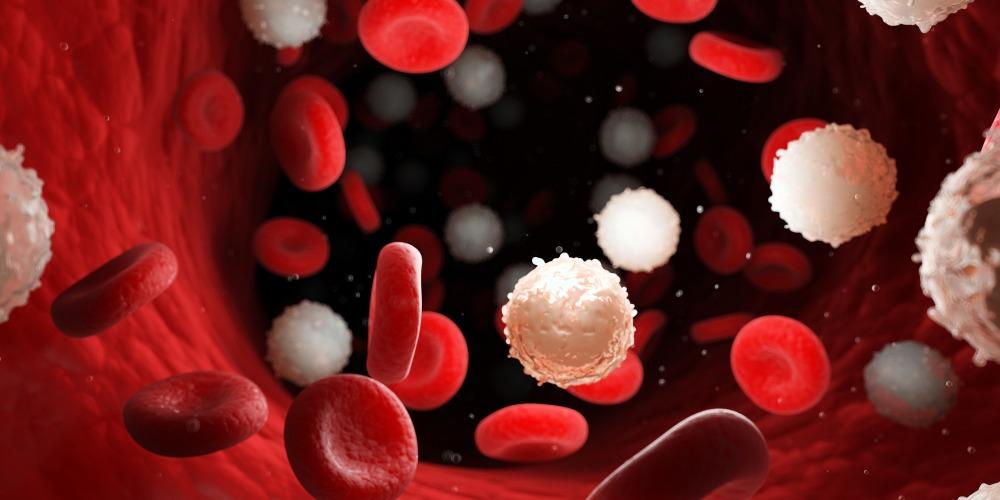
Anemia is a condition in which the blood does not have enough healthy red blood cells or haemoglobin to transport oxygen effectively throughout the body. It can develop for several reasons, including iron deficiency, vitamin deficiencies, certain medical conditions, or blood loss. Because different causes can produce similar symptoms, a careful medical assessment is important for understanding an individual's health and determining the most appropriate next steps.
Blood tests play a central role in identifying anemia and investigating its possible causes. Rather than relying on a single laboratory result, a doctor considers haemoglobin levels, red blood cell measurements, iron status, vitamin levels, and other relevant findings alongside the patient's medical history and symptoms.
For people seeking Anemia Dubai services, understanding how blood test results are interpreted can make the consultation more informative. At Dr. Barbara's clinic, an assessment may involve reviewing existing laboratory reports, discussing symptoms and dietary habits, examining relevant medical history, and deciding whether further investigations are needed.
The purpose of this process is to establish a clearer picture of the patient's health and guide an individualised approach to care. The meaning of a blood test result depends on several factors, including age, sex, medical history, laboratory reference ranges, and the pattern of findings across different tests.
Why Are Blood Tests Important During an Anemia Assessment?
Blood tests help doctors identify whether anemia is present and provide clues about its underlying cause. Although symptoms such as fatigue, weakness, dizziness, or reduced exercise tolerance may prompt an appointment, these symptoms alone cannot confirm anemia.
A complete blood count, commonly called a CBC or full blood count, is usually an important starting point. It measures several components of the blood, including haemoglobin, red blood cell count, haematocrit, and red blood cell indices.
The doctor interprets these measurements together rather than considering each number separately. For example, a low haemoglobin level may indicate anemia, while the size and characteristics of red blood cells can help narrow down possible explanations.
Additional investigations may be recommended depending on the initial findings. These could include ferritin and other iron studies, vitamin B12 and folate measurements, or tests related to kidney function and other health conditions.
For anyone arranging an Anemia Cost in Dubai consultation, it is useful to ask whether the quoted fee includes laboratory testing or covers the medical consultation alone. The total cost can vary according to the investigations and follow-up required.
How Is Haemoglobin Level Interpreted?
Haemoglobin is a protein in red blood cells that carries oxygen from the lungs to the body's tissues. Measuring its concentration is one of the main ways doctors assess whether a person has anemia.
Understanding Haemoglobin Results
A haemoglobin result below the appropriate reference threshold may indicate anemia. However, the threshold used to interpret the result depends on factors such as age, sex, pregnancy status, and the clinical circumstances.
The doctor reviews the reported value alongside the laboratory's reference range and other blood count measurements. A mildly reduced result may require a different investigation from a substantially reduced result, although both need to be interpreted in context.
Why Previous Results Matter
Previous blood test reports can help establish whether haemoglobin has remained stable, gradually decreased, or changed over a short period. This information can be particularly helpful when a patient has undergone several assessments.
A long-term pattern may suggest a different clinical picture from a recent change. The doctor may ask about recent illnesses, dietary changes, medical procedures, or other events that could help explain the findings.
How Symptoms Relate to Haemoglobin
The doctor also considers how the patient feels and whether symptoms correspond with the laboratory results. Some people experience tiredness or reduced stamina with relatively mild anemia, while others may report few symptoms.
The severity and duration of symptoms, together with the haemoglobin level and other findings, help determine what further assessment or care may be appropriate.
What Do Red Blood Cell Indices Reveal?
Red blood cell indices provide additional information about the size and haemoglobin content of red blood cells. These measurements help doctors identify patterns that may point towards particular types of anemia.
Mean Corpuscular Volume (MCV)
Mean corpuscular volume, or MCV, measures the average size of red blood cells. It is often used to classify anemia into broad categories.
A low MCV indicates that red blood cells are smaller than expected. This pattern may occur with iron deficiency and certain inherited blood conditions, among other causes.
A normal MCV does not exclude anemia. Some forms of anemia are associated with red blood cells of average size, and early iron deficiency may not always produce a low MCV.
A high MCV indicates larger-than-average red blood cells. This can occur with vitamin B12 or folate deficiency, although other medical conditions, medicines, and alcohol use may also influence this measurement.
Mean Corpuscular Haemoglobin (MCH)
Mean corpuscular haemoglobin measures the average amount of haemoglobin in each red blood cell. A lower result may occur when cells contain less haemoglobin than expected, as can happen in iron deficiency.
The doctor evaluates MCH alongside MCV, haemoglobin, and other findings rather than using it independently to establish a diagnosis.
Red Blood Cell Distribution Width (RDW)
RDW describes variation in red blood cell size. A higher result means there is greater variation between the sizes of circulating red blood cells.
This finding may support further investigation into nutritional deficiencies or other causes of anemia, but it is not specific to one condition. The complete blood count pattern helps the doctor decide which additional tests may be useful.
How Are Iron Studies Considered During Assessment?
Iron deficiency is an important cause of anemia, making iron-related investigations relevant when the patient's blood count or medical history suggests reduced iron availability.
Ferritin Levels
Ferritin is a protein that stores iron, and its blood concentration is commonly used to assess the body's iron stores. A low ferritin level generally supports iron deficiency.
However, ferritin can increase during inflammation or certain illnesses. As a result, a normal or raised ferritin result does not always exclude iron deficiency when other clinical factors are present.
The doctor interprets ferritin alongside the complete blood count, symptoms, medical history, and, when appropriate, other iron studies.
Serum Iron and Transferrin Saturation
Serum iron measures the amount of iron circulating in the blood at the time of testing. Transferrin saturation estimates how much of the blood's iron-transporting protein is carrying iron.
These results can provide additional information about iron availability. Serum iron levels may fluctuate, so a single measurement is not usually sufficient to establish the full picture.
When findings are unclear, the doctor may consider transferrin saturation, total iron-binding capacity, inflammatory markers, and other relevant tests to help distinguish iron deficiency from other conditions.
Identifying the Reason for Low Iron
If iron deficiency is confirmed, understanding why it has developed is an important part of assessment. The doctor may ask about dietary intake, menstrual bleeding, gastrointestinal symptoms, previous surgery, and other potential sources of reduced iron intake, absorption, or ongoing blood loss.
The appropriate investigation depends on the patient's age, medical history, symptoms, and individual circumstances. Identifying the underlying reason helps guide a more suitable management plan rather than focusing on the laboratory result alone.
How Are Vitamin B12 and Folate Levels Evaluated?
Vitamin B12 and folate are essential for normal red blood cell production. When the body does not receive or absorb enough of these nutrients, red blood cells may develop abnormally, potentially leading to anemia.
Vitamin B12 Testing
A vitamin B12 blood test may be recommended when the blood count shows a high MCV or the patient's symptoms and medical history suggest a deficiency. The doctor may ask about dietary patterns, digestive conditions, previous gastrointestinal surgery, and medicines that can affect vitamin absorption.
A low vitamin B12 result may help explain the blood count findings. If the result is borderline or does not match the clinical picture, additional testing may be considered.
Folate Testing
Folate supports the formation of healthy red blood cells. A folate test may be appropriate when a nutritional deficiency is suspected or the blood count shows larger-than-average red blood cells.
The doctor considers folate results alongside vitamin B12 levels and other clinical information. This is important because the two deficiencies can produce similar blood count changes, while vitamin B12 deficiency may also require assessment of neurological symptoms.
Which Other Blood Tests May Be Recommended?
Not every case of anemia is caused by a nutritional deficiency. If the initial results do not provide a clear explanation, the doctor may recommend additional investigations based on the patient's medical history and examination.
Kidney Function Tests
The kidneys produce a hormone called erythropoietin, which helps stimulate red blood cell production. Kidney conditions can affect this process and contribute to anemia.
Blood tests assessing kidney function may therefore be appropriate when the patient's history or initial findings suggest a possible connection.
Inflammation and Other Medical Conditions
Chronic inflammatory conditions can affect how the body uses and stores iron. Depending on the clinical picture, the doctor may request inflammatory markers to help interpret iron studies and other blood count findings.
Additional tests may assess thyroid function, liver health, or other medical conditions when relevant. A blood film or reticulocyte count may also be useful in selected cases. A reticulocyte count measures young red blood cells and can provide information about how the bone marrow is responding.
The selection of tests depends on the individual findings. The aim is to investigate plausible causes without ordering unnecessary investigations.
How Do Blood Test Results Guide the Next Steps?
After reviewing the results, the doctor combines the laboratory findings with the patient's symptoms, medical history, and examination. This helps determine whether the results suggest iron deficiency, a vitamin deficiency, a chronic medical condition, or another cause of anemia.
For example, low haemoglobin combined with low ferritin may support iron-deficiency anemia. A raised MCV alongside low vitamin B12 may suggest a vitamin-related cause. However, these patterns are not interpreted in isolation, and overlapping conditions can sometimes affect several results at once.
The next step may involve further testing, treating an identified deficiency, reviewing current medication, or arranging specialist assessment when the cause remains unclear.
Patients should avoid starting iron or high-dose vitamin supplements solely on the basis of symptoms. Treatment should be guided by an appropriate assessment because the correct approach depends on the underlying cause.
Follow-up blood tests may be recommended to monitor the response to treatment. Comparing new results with earlier measurements helps the doctor assess whether haemoglobin and other relevant markers are improving as expected.
How Can You Prepare for an Anemia Consultation in Dubai?
Preparing for a consultation can help the doctor review the available information more efficiently. Patients can bring previous blood test reports, details of existing medical conditions, and a list of current medicines and supplements.
It is also useful to note any symptoms, when they began, and whether they have changed over time. Information about dietary habits, menstrual bleeding where relevant, digestive symptoms, previous surgery, and family history may help guide the assessment.
If blood tests have already been completed, bring the full report rather than only a photograph of one result. The doctor may need to compare several measurements and review the laboratory's reference ranges.
Ask whether new tests are needed and whether any preparation is required. Some blood tests have specific instructions, while others do not require fasting.
People researching Anemia Cost in Dubai should confirm the consultation fee and whether laboratory investigations, follow-up appointments, or additional tests are included. Checking these details in advance can help clarify the expected cost of assessment.
Conclusion
Blood test results are essential for assessing anemia, but their meaning depends on the complete clinical picture. Haemoglobin levels help identify anemia, while red blood cell indices provide clues about its type. Ferritin and other iron studies, vitamin B12 and folate measurements, and selected investigations can help establish the underlying cause.
For individuals seeking Anemia Dubai services, a detailed consultation provides an opportunity to review laboratory findings alongside symptoms, medical history, diet, and other relevant health factors. This combined approach helps the doctor decide whether further investigations are necessary and which management options may be suitable.
Bringing previous reports, sharing accurate medical information, and attending recommended follow-up appointments can support a clearer understanding of the results. The goal is not simply to improve a blood count but to identify and address the reason behind the abnormal findings wherever possible.
Frequently Asked Questions
1. Which blood test is commonly used to diagnose anemia?
A complete blood count, also called a CBC or full blood count, is commonly used. It measures haemoglobin and other blood components, including red blood cell count and red blood cell indices.
2. Does a low haemoglobin result always mean iron deficiency?
No. Low haemoglobin can occur for several reasons, including iron deficiency, vitamin B12 or folate deficiency, chronic medical conditions, and blood loss. Additional assessment helps identify the cause.
3. Why is ferritin measured during an anemia assessment?
Ferritin provides information about the body's stored iron. A low result generally supports iron deficiency, although inflammation and other clinical factors can affect interpretation.
4. Can a normal MCV result rule out anemia?
No. Anemia can occur with low, normal, or high MCV values. Doctors interpret MCV alongside haemoglobin, other blood count measurements, and relevant clinical information.
5. When are vitamin B12 and folate tests recommended?
These tests may be recommended when the blood count, symptoms, diet, medical history, or other findings suggest a possible deficiency. They help investigate whether inadequate vitamin levels are affecting red blood cell production.
6. Do I need to fast before an anemia blood test?
Not usually for a complete blood count alone. However, preparation requirements can vary for additional investigations, so follow the instructions provided by your healthcare professional or laboratory.

 English
 Arabic
 French
 Spanish
 Portuguese
 Deutsch
 Turkish
 Dutch
 Russian
 Romaian
 Portuguese (Brazil)
 Greek