


Asbestos Testing London – Professional Asbestos Detection, Sample Collection and Testing by Experienced Specialists
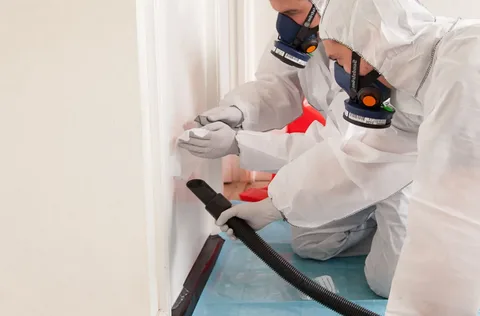
Older properties throughout London often contain building materials that were installed decades before current asbestos regulations came into effect. While many of these materials remain hidden behind walls, beneath flooring, or inside ceiling spaces, they can become a serious concern when property owners begin renovation or maintenance work.
Professional Asbestos Testing London services help identify suspected asbestos-containing materials before they're disturbed. Through careful inspections, controlled sample collection, and laboratory testing, property owners can determine whether asbestos is present and what measures may be necessary.
For homeowners, landlords, and commercial property managers, reliable asbestos identification provides useful information for planning building work and managing potential exposure risks. London-based companies such as Safe Home London can be contacted to discuss asbestos inspection requirements and available testing arrangements.
Why Asbestos Testing Remains Relevant Across London
Asbestos was commonly used in British construction because of its durability, insulation properties, and resistance to heat. Although the UK prohibited all asbestos use in 1999, many buildings constructed or refurbished before 2000 may still contain asbestos-containing materials.
These materials aren't always visible. Asbestos may be present in ceiling coatings, floor tiles, roofing sheets, insulation boards, and older heating installations.
The danger arises when materials containing asbestos are damaged, drilled, cut, or removed without suitable precautions. Disturbance can release tiny airborne fibres that may be inhaled.
People arranging an asbestos check London service are often preparing for kitchen renovations, electrical rewiring, ceiling removal, or commercial refurbishment.
Testing suspected materials before work begins can prevent accidental disturbance and help contractors select appropriate working methods.
Recognising Materials That May Contain Asbestos
One difficulty with asbestos identification is that affected materials often look similar to ordinary building products.
A textured ceiling might resemble a modern decorative coating, while an old insulation board may look like a standard construction panel. Neither appearance nor the building's age can definitively confirm asbestos content.
Materials frequently associated with asbestos include:
-
Textured coatings: Older Artex-style ceiling and wall finishes may contain asbestos fibres.
-
Asbestos insulating boards: Previously used around partitions, service cupboards, and fire protection areas.
-
Vinyl flooring: Certain older floor tiles and adhesives contain asbestos.
-
Roofing sheets: Asbestos cement roofing was widely used on garages and industrial buildings.
-
Pipe insulation: Some older heating systems contain asbestos-based insulation materials.
-
Ceiling panels: Certain historic commercial ceiling products contain asbestos.
-
External building materials: Soffits, gutters, and cement cladding may contain asbestos.
Artex asbestos testing is especially relevant when homeowners plan to scrape, sand, or remove older textured ceilings.
Where asbestos is suspected, suitably trained professionals should assess the material before disturbance takes place.
Different Types of Asbestos Inspections and Testing
An asbestos survey London property owners arrange should reflect the building's condition and the work being proposed.
A single material test may answer a narrow question, while a larger property could require a more extensive investigation.
|
Inspection or testing type |
Purpose |
Suitable circumstances |
|---|---|---|
|
Asbestos Sample Testing |
Determines whether a sampled material contains asbestos |
Suspected textured coatings, flooring, or insulation |
|
Asbestos Management Survey |
Identifies and assesses asbestos during normal building use |
Offices, shops, communal areas, and managed properties |
|
Refurbishment and Demolition Survey |
Investigates asbestos within areas affected by intrusive work |
Extensions, structural alterations, and demolition |
|
Asbestos Reinspection |
Reviews previously identified asbestos materials |
Properties with existing asbestos registers |
|
Asbestos Risk Assessment |
Evaluates material condition and potential exposure risks |
Building maintenance and asbestos management planning |
An R&D asbestos survey differs from an ordinary management survey because it may involve opening concealed spaces and inspecting areas that cannot be examined without disturbing the building fabric.
The Health and Safety Executive identifies management surveys and refurbishment or demolition surveys as the two principal survey types.
How Professional Asbestos Sample Collection Works
Testing for asbestos requires more than simply removing a piece of suspicious material. A suitable investigation begins with understanding the property and determining which materials require examination.
Property Review and Inspection Planning
The assessor considers the building's approximate age, construction features, and any previous asbestos documentation. For a residential property, the investigation may focus on a particular ceiling, floor covering, or service cupboard. Commercial surveys may cover multiple rooms, plant areas, roof spaces, and maintenance routes.
Identifying Suspected Materials
During an asbestos inspection, the surveyor examines accessible materials within the agreed inspection area.
Their assessment helps determine which materials should be sampled and which can be identified through existing reliable records.
Safe Collection of Samples
Suitably trained personnel collect representative samples using appropriate controls to minimise fibre release.
Residents and maintenance workers should not attempt to break or collect suspicious materials without suitable training and precautions.
Laboratory Testing
Collected samples are submitted for asbestos identification by an appropriately accredited laboratory. Analysis determines whether asbestos fibres are present in the submitted material and, where detected, identifies the asbestos type.
The HSE states that sample analysis must be undertaken by competent, accredited analysts.
Reporting the Findings
The laboratory results or survey documentation provide a record of the findings.
For a full survey, information may include material locations, sample references, photographs, inspection limitations, and recommendations.
What Information Should an Asbestos Survey Report Provide?
An asbestos survey report should explain the inspection findings in language that property owners and contractors can understand.
For asbestos management surveys, useful documentation typically includes details of identified or presumed asbestos materials, their locations, condition, and associated material assessments.
A report may also contain floor plans, photographs, sample analysis results, and recommendations for managing materials safely.
One detail worth checking is the list of inaccessible areas. A report that excludes a locked service cupboard or sealed ceiling void cannot confirm whether asbestos is absent from those locations.
These limitations can affect future maintenance decisions.
Property owners searching for asbestos reports London should ask what documentation will be issued and whether it is suitable for the proposed activity.
An asbestos certificate is a general expression sometimes used for different records. A laboratory sample report does not automatically replace a full survey or formal clearance documentation following certain asbestos removal work.
Asbestos Testing for Renovation and Property Maintenance
Renovation projects are a common reason for arranging Asbestos Testing near me services.
Consider an older London flat where the owner plans to replace the kitchen and remove a suspended ceiling. Contractors may encounter unfamiliar insulation boards or textured finishes during preparation.
Testing the suspected materials before demolition allows the owner to establish whether asbestos precautions are necessary.
The same concern applies to commercial properties.
An office undergoing refurbishment may contain asbestos in ceiling voids, older floor coverings, or service installations. Contractors working without reliable asbestos information could unintentionally disturb those materials.
Appropriate asbestos surveys London property managers arrange before intrusive work can help identify affected areas and establish the necessary safety measures.
Asbestos Responsibilities for Landlords and Commercial Property Owners
The Control of Asbestos Regulations 2012 places duties on those responsible for managing asbestos in relevant non-domestic premises.
The duty also covers common parts of certain residential buildings, including shared corridors, staircases, and other communal areas.
Responsible parties must establish whether asbestos is present or likely to be present, assess the risks, keep suitable records, and develop management arrangements.
They must also provide relevant asbestos information to people who could disturb identified materials during maintenance or construction work.
An asbestos risk assessment London building managers require should consider both the material's condition and how likely it is to be disturbed.
Landlords arranging work inside individual homes must also ensure that asbestos risks associated with the planned activity are appropriately considered, even where the specific duty to manage does not apply to the private dwelling.
Understanding Asbestos Exposure and Health Concerns
Asbestos exposure can have serious long-term health consequences.
Conditions associated with inhaling asbestos fibres include mesothelioma, asbestosis, and asbestos-related lung cancer. These illnesses can develop many years after exposure.
Possible asbestos symptoms of exposure associated with established disease include breathlessness, persistent coughing, chest discomfort, and unexplained weight loss.
Such symptoms do not necessarily indicate an asbestos-related illness, and medical assessment is needed to investigate their cause.
An asbestos exposure test cannot reliably establish whether someone recently inhaled asbestos fibres. Environmental material testing and medical examinations serve different purposes.
Asbestos claims UK and asbestos compensation UK enquiries should be considered separately from property testing, since determining legal entitlement involves medical evidence and individual circumstances.
What Happens When Asbestos Is Confirmed?
A positive asbestos test doesn't necessarily require immediate removal.
Where asbestos-containing materials are intact, protected, and unlikely to be disturbed, suitable management arrangements may allow them to remain in place.
Materials showing damage or located in areas affected by planned work may require repair, encapsulation, or removal by competent asbestos contractors.
Some higher-risk work must be performed by licensed contractors.
For asbestos disposal London, the waste must be handled through suitable hazardous waste procedures. Property owners should not place asbestos-containing debris into ordinary household rubbish.
The findings of a professional survey can help determine which actions are appropriate.
Selecting an Asbestos Testing Company in London
People searching for an asbestos test near me or asbestos services near me may find numerous providers, but their qualifications and available services can vary.
When comparing asbestos survey companies, property owners should consider the competence of the surveyor, the testing laboratory's accreditation, and the quality of reporting.
They should also confirm whether the quotation covers an individual sample, a management survey, or an intrusive refurbishment survey.
For asbestos consultancy London, clear explanations and suitable recommendations are important. Clients need accurate information about the materials identified and any restrictions affecting future building work.
A competent asbestos survey company should also explain the limitations of its inspection rather than implying that inaccessible areas are free from asbestos.
Safe Home London for Asbestos Testing Enquiries
Safe Home London is a London-based property services company located at 47 Ellora Road, SW16 6JG.
Homeowners, landlords, and commercial property managers seeking asbestos testing service information can contact the company to discuss their property and the inspection requirements.
Details worth sharing include the property's age, suspected materials, planned renovations, and whether an existing asbestos survey report is available.
Before booking, clients should confirm the precise service offered, surveyor competence, laboratory testing arrangements, and report delivery expectations.
Having reliable asbestos information available before building work can help property owners plan the next steps and reduce the likelihood of accidental disturbance.
Contact Safe Home London for Asbestos Testing in London
For property owners considering Asbestos Testing London, Safe Home London can be contacted to discuss suspected asbestos materials, inspection requirements, and available service arrangements. Their contact team can provide further information about enquiries, quotations, and the steps involved in arranging a suitable assessment. Establishing whether a material contains asbestos before refurbishment or maintenance work begins is a practical way to support safer property management.
Company Name: Safe Home London
Phone : 020 4628 6560
Address: 47 Ellora Road, London, England, SW16 6JG
Email: info@safehomelondon.co.uk

 English
 Arabic
 French
 Portuguese
 Deutsch
 Turkish
 Dutch
 Italiano
 Russian
 Romaian
 Portuguese (Brazil)
 Greek