


FH6 Controller vs Racing Wheel: A Tokyo Player's 2026 Guide
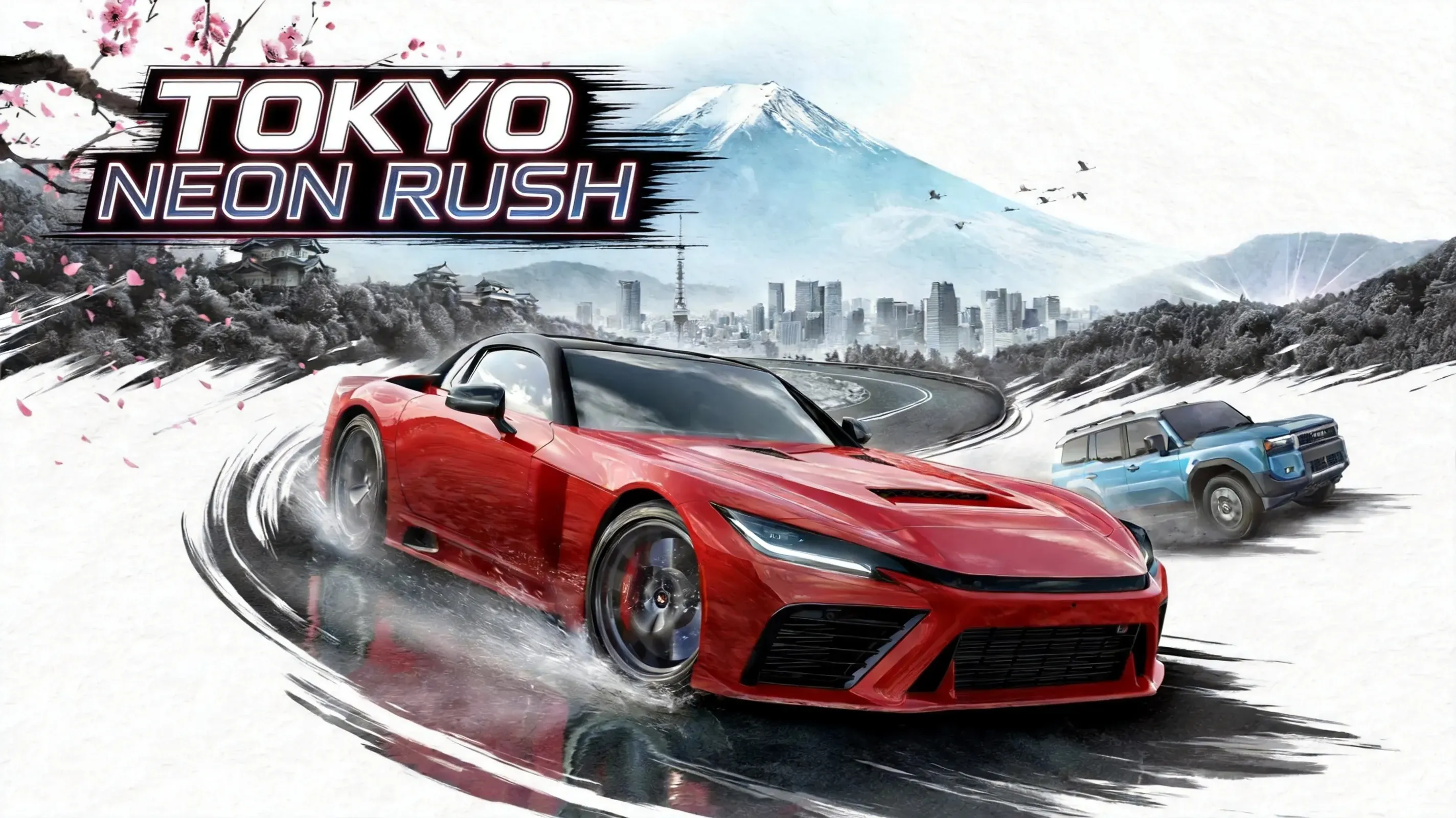
The neon reflections on Tokyo's rain-slicked streets had barely stopped shimmering when Maya, a longtime Horizon regular, faced the same question that divided her 2026 lobby: controller or racing wheel? She had spent the week weaving through the city's tight neon-lit lanes in FH6 v3.461.691.0, then carving Mount Fuji touge switchbacks with friends in Series 6. The answer, she discovered, was not a single winner but a match between hardware and habit. A controller remains the practical competitive meta default for most players, especially in quick sessions and chaotic online desync battles. A wheel, however, is the stronger pick for immersion, organic countersteer feel, and rally feedback, even if convenience takes a hit.
🎮 Controller: The Low-Friction Choice for Tokyo Meta Racing
For Maya's first test, she grabbed a standard Xbox Series X|S wireless controller. Normal steering stayed on, the recommended FH6 control setting, and the built-in hidden smoothing let her recover from unexpected slides and weave through dense Tokyo traffic without accidental oversteer. Entry costs were easy to justify: $59.99 for the standard pad, up to $179.99 for an Elite Series 2, whose rear paddles made manual shifting noticeably faster during high-intensity races. The setup suited couch racers, casual fog-clearing sessions, mascot hunting, wristband grinding, and chaotic online lobbies where desync battles demanded immediate, low-effort input corrections. Maya could flop onto the sofa, jump into a Series 6 event, and be competitive within minutes.
🏎️ Racing Wheel: Better Feedback, Higher Setup Cost
The wheel told a different story. In rally, off-road, drifting, and lower A/S1 class races, throttle and brake modulation mattered more than snap steering speed. FH6's updated input system mirrored 540°–900° of wheel rotation in the in-game steering animations, while rebuilt Mechanical Trail and Road Feel FFB scales delivered far more tactile grip feedback than earlier entries. Maya felt weight transfer through the rim and found organic countersteer inputs easier to read. Yet the tradeoffs were real: entry-level wheels started at $249.99, mid-range direct drive models ran $399.99–$499.99, a sturdy desk mount or dedicated rig was mandatory, and 5Nm+ direct drive units demanded noticeable physical effort. Most users, Maya included, reported a jerky asphalt feel before tuning the Center Spring and Damping sliders.
📊 Controller vs Wheel by FH6 Activity
| Activity | Better fit | Why |
|---|---|---|
| S2 Tokyo street races | Controller | Instant lock-to-lock thumbstick input gives a measurable edge in tight, traffic-heavy courses. |
| Competitive online events | Controller | Low-effort corrections and fast reactions dominate, especially in desync-heavy lobbies. |
| Touge runs | Wheel | FFB makes weight-transfer shifts and organic countersteer easier to read and execute. |
| Loose-surface rally | Wheel | Throttle and brake modulation cut down on unforced spinouts. |
| Drifting and immersion | Wheel | Tactile feedback and 540°–900° animation sell the JDM fantasy. |
| Quick Series 6 sessions | Controller | No setup, no tuning, no rig; immediate play. |
🛠️ Baseline Settings Before Judging Hardware
Maya's first wheel hour was frustrating, and the reference advice explained why. Controller users should enable Normal steering and stick to default deadzones first. Wheel users should select Simulation steering and tune damping and center spring sliders before judging hardware performance. Supported upgrade paths ranged from entry-level Logitech G920 and Thrustmaster T128 wheels to mid-range MOZA R3, Fanatec CSL DD, and premium Logitech G Pro direct drive units. Compatibility alone did not erase the 5+ hour learning curve for new wheel users. Maya discovered that a wheel could feel worse than a pad until those settings matched her hands and rig.
🧾 Which FH6 Setup Should You Buy?
Maya's checklist became a simple decision tree. Pick a controller if value, cross-title accessibility, fast competitive reaction speeds, and short, impromptu Horizon Festival sessions matter most. Pick a direct-drive wheel if full JDM touge and drifting immersion is the goal, or if regular sim-racing titles like Forza Motorsport and Assetto Corsa demand a consistent cross-game input feel. Avoid splurging on a premium direct drive wheel solely to chase leaderboard positions: the controller advantage in tight Tokyo street-race meta remained meaningful for 90% of casual and mid-tier competitive players. Before buying, Maya weighed available desk or rig space, her most frequently played event types, tolerance for one or more hours of FFB tuning, total budget, and whether her core goal was faster online results or a more tactile Japan driving experience.
By the end of the week, Maya kept both. The controller stayed beside the sofa for Tokyo's neon sprint events and quick Series 6 dailies. The wheel waited on the rig for Mount Fuji touge runs, rally stages, and long drifting nights. In FH6 v3.461.691.0, neither device was universally superior; the smartest setup was the one that matched the player's routine. For most competitors, the pad remained the practical meta default. For immersion hunters, the wheel was worth every dollar and every tuning hour.

 English
 French
 Spanish
 Portuguese
 Deutsch
 Turkish
 Dutch
 Italiano
 Russian
 Romaian
 Portuguese (Brazil)
 Greek