


What Factors Affect the Cost of Hiring a Web Design Company Dubai?
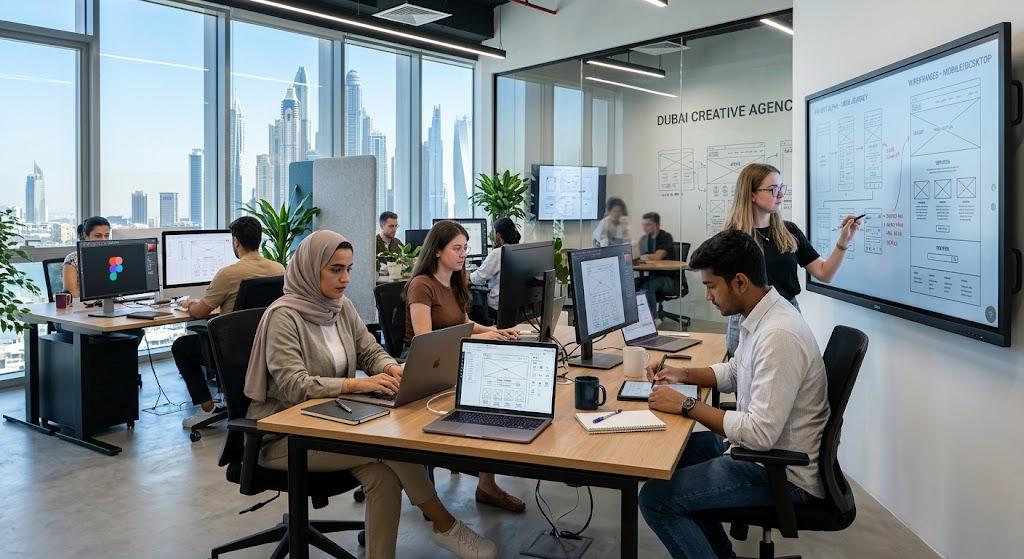
Dubai is one of the most competitive digital markets in the world. Businesses here operate in a fast-moving, design-conscious environment where a website is often the first and most important point of contact with customers. That is why many companies invest in professional web design rather than relying on templates or freelancers. But anyone who has requested quotes from several agencies quickly notices a puzzling pattern: prices can range from a few thousand dirhams to well over a hundred thousand for what looks like the same project.
Understanding what drives those differences helps you budget realistically, compare proposals fairly, and avoid paying for features you do not need. Below are the main factors that shape the cost of hiring a web design company Dubai.
1. Type and Complexity of the Website
The single biggest cost driver is what kind of website you need.
Brochure or Corporate Websites
A simple company website with five to ten pages, such as Home, About, Services, and Contact, sits at the lower end of the price spectrum. These sites focus on presenting information clearly and building credibility, so they require less development work.
E-Commerce Websites
Online stores cost considerably more because they involve product catalogs, shopping carts, secure checkout, inventory management, and integration with payment gateways and shipping providers. The larger the product range and the more complex the purchasing logic, the higher the price.
Custom Web Applications and Portals
Booking platforms, customer portals, marketplaces, and membership systems require custom programming, database architecture, and extensive testing. These projects are priced like software development, not just design, and sit at the top of the range.
2. Design Approach: Template vs. Custom
Template-Based Design
Agencies can customize an existing theme with your logo, colors, and content. This is faster and cheaper, making it suitable for startups and small businesses with tight budgets. The trade-off is that your site may look similar to others and offer limited flexibility.
Fully Custom Design
A bespoke design starts from research, wireframes, and mockups built around your brand and audience. It takes longer and involves senior designers, which raises the cost, but it delivers a unique identity and a better user experience. In a market as image-conscious as Dubai, many premium and luxury brands consider this essential.
3. Number of Pages and Content Volume
Every additional page needs layout design, development, and testing. A 10-page site and a 100-page site are fundamentally different projects. Content-heavy websites such as news portals, real estate listings, or large service directories also need structured templates and often a more robust content management system.
Content creation is another variable. If the agency also handles copywriting, photography, video, or graphic production, expect those services to appear as separate line items.
4. Functionality and Custom Features
Features are where budgets quietly expand. Common add-ons include:
- Online booking and appointment systems
- Live chat and chatbot integration
- Customer login areas and dashboards
- Property search filters and listing management
- CRM, ERP, or accounting software integration
- Payment gateway setup for local and international cards
- Multi-currency support
Each feature requires planning, development, and testing. Off-the-shelf plugins are cheaper, while custom-built functionality costs more but fits your workflow precisely.
5. Multilingual and Regional Requirements
Dubai’s audience is diverse, and many businesses need websites in English and Arabic. Arabic is written right to left, so building a proper bilingual site is not simply a matter of translating text. The layout, navigation, typography, and sometimes even imagery need to be mirrored and adjusted. This adds design and development time, and professional translation adds further cost.
Compliance matters too. Depending on your industry, you may need to meet UAE data protection requirements, display trade license information, or follow sector-specific regulations.
6. Agency Size, Reputation, and Experience
Freelancers vs. Boutique Agencies vs. Large Firms
Freelancers usually charge the least but may offer limited capacity and support. Boutique agencies balance affordability with a dedicated team. Large, established firms charge premium rates because they offer broader expertise, structured processes, project managers, and a track record with major brands.
Portfolio and Credibility
An agency with award-winning work, strong client references, and years of experience in the UAE market can justify higher pricing. You are paying not only for production but for reduced risk and strategic insight.
7. Team Composition and Project Management
A professional website is rarely built by one person. A typical project may involve a project manager, UX researcher, UI designer, front-end developer, back-end developer, and quality assurance tester. The more specialists involved, the higher the cost, but the better the coordination and outcome usually are.
Dubai’s overheads, including office rents, licensing, and skilled-talent salaries, also influence agency rates compared with offshore alternatives.
8. User Experience and Research Depth
Agencies that invest in discovery workshops, competitor analysis, user personas, customer journey mapping, and usability testing will charge more than those that jump straight to visual design. This upfront work reduces costly revisions later and typically improves conversion rates, so it often pays for itself.
9. SEO, Performance, and Technical Optimization
A beautiful website that nobody finds delivers little value. Basic SEO setup, including clean code, meta tags, site structure, and mobile responsiveness, is usually included. Advanced work such as keyword research, content strategy, schema markup, speed optimization, and analytics configuration may be priced separately.
Mobile-first design is now standard in the UAE, where mobile usage is very high, so responsive testing across devices is part of any competent quote.
10. Technology Platform and Content Management System
The platform you choose affects both initial and long-term costs.
- WordPress is flexible and affordable, with a large pool of developers.
- Shopify and WooCommerce are popular for e-commerce, with different cost structures.
- Custom frameworks such as Laravel or React offer maximum control but cost more.
- Enterprise CMS platforms carry licensing fees and require specialized developers.
Hosting, SSL certificates, premium plugins, and third-party licenses may add recurring annual costs.
11. Timeline and Urgency
Rush projects cost more. If you need a site launched in two weeks, the agency may need to reassign staff or work overtime, and it will price accordingly. A realistic timeline allows efficient resource planning and usually results in a lower and more predictable cost.
12. Revisions, Scope Changes, and Approval Process
Most quotes include a set number of revision rounds. Extra changes, shifting requirements, or delayed feedback can extend the project and trigger additional charges. Clear briefs, consolidated feedback, and a defined approval process are among the easiest ways to control costs.
13. Post-Launch Support and Maintenance
Launching the site is not the end of the investment. Ongoing needs include:
- Security updates and backups
- Software and plugin updates
- Bug fixes and technical support
- Content updates
- Performance monitoring
Some agencies include a short warranty period, then offer monthly maintenance packages. Skipping maintenance may save money initially but exposes the site to security risks and downtime.
14. Additional Services
Many agencies offer bundled services such as branding, logo design, digital marketing, social media integration, email marketing setup, and staff training. Bundling can reduce the overall price compared with hiring separate providers, but make sure each component is itemized so you understand what you are paying for.
How to Get the Best Value
Rather than choosing the cheapest quote, focus on value and clarity. Consider these steps:
- Define your goals first. Know whether your site is meant to generate leads, sell products, or build brand awareness.
- Prepare a clear brief. Include pages, features, languages, and reference sites you admire.
- Request itemized quotes. This makes comparison easier and reveals hidden costs.
- Review portfolios and client feedback. Look for projects similar to yours.
- Ask about ownership and support. Confirm that you own the code, design files, and domain.
- Plan for the long term. Budget for hosting, maintenance, and future upgrades.
Final Thoughts
The cost of hiring a web design company in Dubai depends on a combination of factors: website type, design approach, features, language requirements, agency expertise, timeline, and ongoing support. A low price may signal limited scope or experience, while a high price should be backed by clear deliverables and proven results.
The smartest approach is to treat your website as a business investment rather than an expense. By understanding what shapes the price, defining your needs clearly, and comparing proposals carefully, you can choose a partner who delivers a website that looks impressive, performs well, and supports your growth in one of the world’s most dynamic markets.

 English
 Arabic
 French
 Spanish
 Portuguese
 Deutsch
 Turkish
 Dutch
 Italiano
 Russian
 Romaian
 Portuguese (Brazil)