


Smart Ways Food Businesses Can Improve Freshness and Win More Takeaway Customers
Takeaway food has become part of everyday life for many people in the UK. Customers may order lunch during a busy workday, pick up dinner after work, or choose a quick meal when they do not have time to cook. Because competition is strong, food businesses need to offer more than a tasty menu. Customers also expect meals to arrive fresh, neat, convenient, and enjoyable.
Freshness can influence whether someone orders again. A meal that looks good and keeps its expected texture can create a positive impression, while food that becomes soggy, messy, or difficult to eat may leave customers disappointed. Small improvements in preparation, handling, presentation, and service can therefore make a meaningful difference.
Understand What Customers Value
Every food business has different customers, so it is useful to understand what matters most to them. Office workers may value speed, while families may care more about portion size and convenience. Customers ordering sandwiches may focus on freshness and texture, while people buying hot meals may care more about temperature.
Businesses can learn from reviews, repeat orders, staff observations, and direct customer comments. If several customers mention that food arrives messy, the business should investigate how orders are prepared and handled.
Improve Ingredient Preparation
Freshness starts before an order is placed. Ingredients should be stored correctly and prepared at suitable times. Vegetables, bread, cooked meats, sauces, and dairy products can all behave differently after preparation.
Preparing everything too early may reduce quality, while preparing every ingredient at the last moment can slow service. A better approach is to study sales patterns and prepare sensible quantities around expected demand.
If a particular sandwich sells quickly every lunchtime, staff can prepare suitable ingredients before the rush while still assembling the final product close to serving time.
Protect Texture During the Journey
Temperature is important, but freshness also involves texture. Crispy ingredients can soften when exposed to moisture, while bread may lose its structure when wet fillings remain against it for too long.
Businesses should consider how ingredients interact after a meal is assembled. Sauces may need careful placement, while certain crispy ingredients could be added closer to serving.
Testing can reveal useful information. Prepare popular menu items normally and check them after different periods, such as ten, twenty, and thirty minutes. This can show how food changes during a typical customer journey.
Choose a Practical Serving Format
The way food is presented should support the product. A suitable format can help keep ingredients organised, reduce movement, and make meals easier to carry.
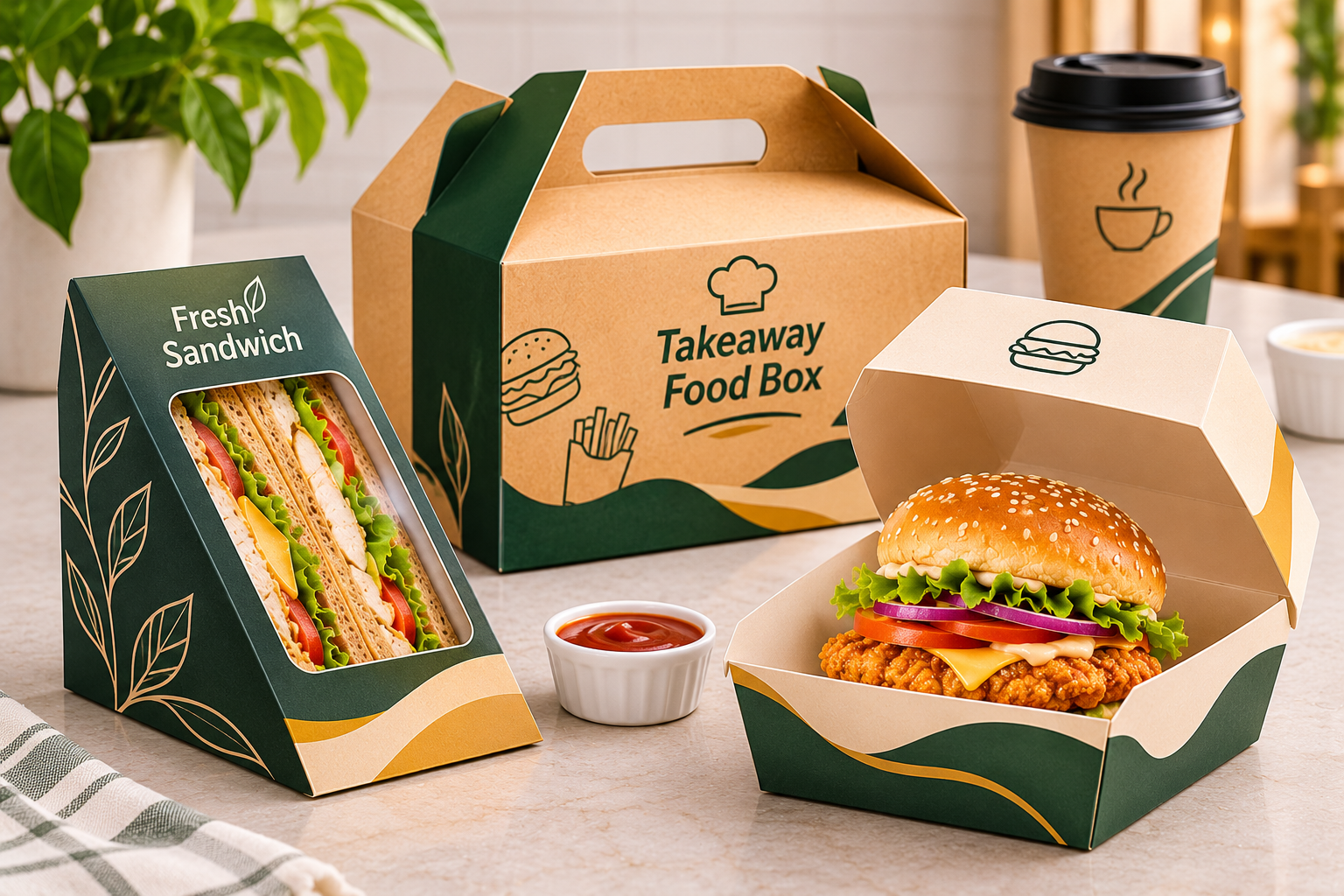
A well-fitted food box can be useful for suitable takeaway meals because it gives the product a defined space and supports easier handling. The size should match the actual meal rather than being selected only for appearance.
Businesses should test samples with real products. Check whether the meal fits comfortably, whether ingredients move during transportation, and whether the format remains secure when carried.
Make Sandwiches Easier to Enjoy
Sandwiches can be particularly sensitive to moisture and movement. Bread can become soft when placed next to wet fillings, while loosely arranged ingredients may shift during delivery.
A suitable sandwich box can help keep the product organised and make it easier for customers to handle. The format should be tested with different sandwich sizes and fillings.
Businesses should also consider how sandwiches are assembled. Fresh ingredients should be used appropriately, and sauces should be balanced so they enhance flavour without making the bread unnecessarily wet.
Reduce Waiting Times
Fresh food is easier to enjoy when it reaches the customer promptly. Long waiting times can affect temperature, texture, and overall satisfaction.
Businesses should review the complete journey from ordering to collection or delivery. Delays may happen at the till, kitchen, packing station, or collection point.
During busy periods, frequently used ingredients and serving materials should be easy for staff to reach. Clear responsibilities can also help employees work efficiently and avoid unnecessary delays.
Keep Presentation Simple and Attractive
Customers often see their meal before they taste it. A neat presentation can make food feel more appealing and reinforce the impression of freshness.
Food should be positioned carefully, with ingredients arranged in a way that prevents unnecessary movement. Businesses should also avoid overfilling formats because this can make meals difficult to close, carry, and eat.
Branding can be included through simple colours, logos, or messages, but presentation should not become more important than the food itself.
Use Customer Feedback Wisely
Customer feedback can provide practical information about the takeaway experience. Reviews may mention freshness, portion size, waiting times, or ease of eating.
Businesses should pay attention to repeated comments. If several customers report the same issue, it is worth testing the process to find the cause.
Positive comments are useful too. If customers repeatedly praise a product for arriving fresh, the business can examine what makes that item successful and apply similar methods elsewhere.
Train Staff for Consistent Quality
A good process only works when staff understand it. Employees should know how ingredients are prepared, how portions are assembled, and how finished orders should be checked.
Simple training guides can help new staff understand expectations. Photographs or examples of correctly prepared meals may also make training easier.
Consistency matters because customers expect familiar quality when they order the same meal again. A reliable process helps protect that expectation even when different employees are working.
Make Convenience Part of the Experience
Customers choose takeaway because it saves time. The experience should therefore remain convenient from ordering to eating.
Orders should be easy to collect, carry, open, and enjoy. Customers should not have to struggle with complicated closures or deal with unnecessary mess.
Businesses can test the customer experience themselves by ordering a meal just as a normal customer would. This can reveal small problems that may be overlooked during everyday operations.
Consider Waste Without Reducing Quality
Food waste can increase operating costs, so businesses should use sales information to plan stock carefully. Ingredients that sell slowly may need different preparation quantities from popular products.
Stock rotation is also important. Staff should understand which ingredients should be used first and how storage conditions affect quality.
However, businesses should never compromise food safety or freshness simply to reduce waste. The aim is to use ingredients responsibly while maintaining the standard customers expect.
Build Trust Through Reliability
Customers are more likely to return when they know what to expect. Reliable food quality, consistent portions, sensible waiting times, and friendly service can gradually build trust.
A single excellent order may attract attention, but repeated good experiences create loyalty. Businesses should therefore focus on processes that can be maintained every day rather than temporary improvements that are difficult to repeat.
Create a Better Takeaway Experience
Freshness is not created by one decision. It comes from the combined effect of ingredient quality, preparation timing, suitable serving formats, careful handling, efficient service, and customer feedback.
For UK food businesses, improving these areas can help create a takeaway experience that customers genuinely enjoy. A meal that arrives fresh, looks appealing, and remains easy to eat is more likely to leave a positive impression.
The goal is simple: prepare food with care, protect its quality during the journey, and make the customer's experience as convenient as possible. When these details are handled consistently, businesses can strengthen customer trust, encourage repeat orders, and build a reputation for dependable takeaway food.

 English
 French
 Spanish
 Portuguese
 Deutsch
 Turkish
 Dutch
 Italiano
 Russian
 Romaian
 Portuguese (Brazil)
 Greek