


Stop Chasing the Ball! U4GM’s FC 27 Defensive Tips
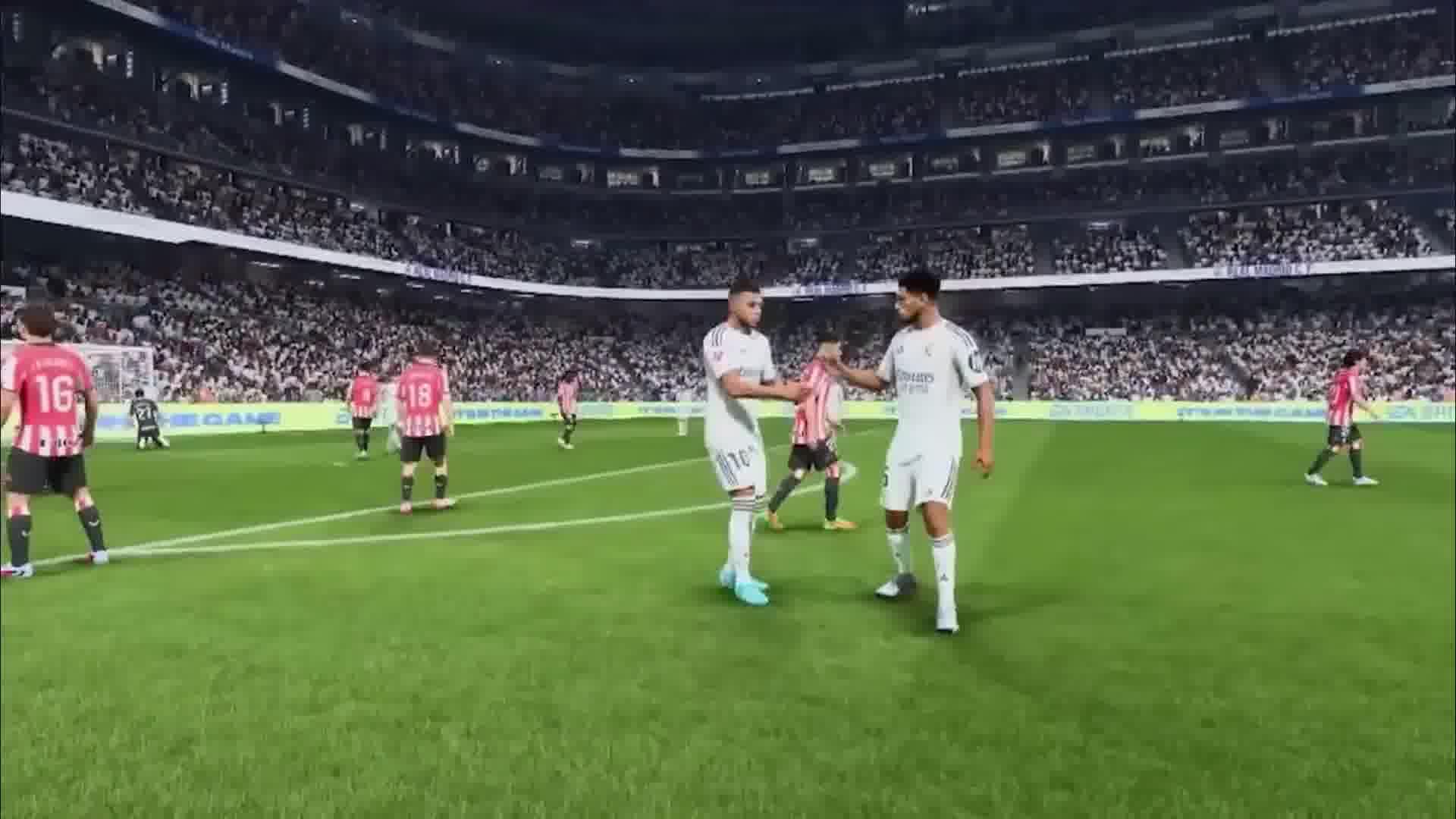
Improving your defensive performance in FC 27 is not simply about tackling faster or constantly chasing the opponent with your defenders. The real difference comes from understanding positioning, controlling space, and making smart decisions before the ball carrier becomes dangerous. Whether you are competing in Ultimate Team or building a stronger squad with FIFA 27 Coins, learning how to defend away from the ball can make your team much harder to break down.
1. Defend Space Before Chasing the Ball
One of the biggest mistakes players make is immediately switching to a defender and running toward the opponent who has possession. While aggressive pressure can sometimes win the ball, it can also create dangerous gaps in your defensive line.
Good defending starts before you challenge the ball carrier. You need to consider the opponent's passing options, available space, and potential attacking runs. Instead of focusing entirely on the player with the ball, pay attention to the other attackers and the areas they are trying to reach.
Every time you move a defender away from their original position, you potentially create another opening. An opponent who recognizes that gap can quickly exploit it with a through ball or a forward pass. Therefore, controlling space should always be a priority.
2. Maintain Your Defensive Shape
Keeping your defensive formation organized is essential. In a 4-4-2 formation, every player should have a specific area to protect. Your left and right backs should remain close to their assigned sides, while your center backs should generally maintain their respective positions.
Your midfielders and wingers also have important defensive responsibilities. When everyone maintains their shape, you have more players available to deal with different attacking threats. You will not need to move your center backs across the pitch every time an opponent receives the ball.
Avoid pulling a center back out of position without a clear reason. Doing so can turn an organized back four into an exposed defensive line. Once that happens, you may be forced to move another defender across to cover the opening, creating even more space elsewhere.
Instead, select the player who is already in the best position to handle the immediate threat.
3. Protect the Space Behind Your Defensive Line
Through balls are especially dangerous when attackers find room behind your defenders. The key is recognizing attacking runs early and responding at the right moment.
Watch for opponents moving toward the space behind your back line. When a runner approaches within roughly four yards of your defensive line, switch to the defender positioned along their route and move into the space they want to attack. This gives you a better chance of intercepting the pass or preventing the attacker from receiving it cleanly.
Timing matters. Reacting too early can pull your defender out of position unnecessarily, while reacting too late may leave you unable to stop the run.
Defensive depth also affects how much space you leave behind your defenders. Lowering your defensive line can reduce the danger of through balls, but it may create more room between your midfielders and defenders. Opponents can exploit that central gap by receiving the ball, turning, and attacking your back line.
One possible solution is the offside trap. Press up on the D-pad twice to push your defensive line forward. It is generally safer to activate it when the opponent is facing away from your goal or preparing a sideways pass. However, remember that a higher line creates additional space behind your defenders, so you must still monitor attacking runs.
4. Use Midfielders to Defend First
A common mistake is switching to the back four too quickly. When an opponent has space in midfield, players often feel the need to rush forward with a center back. This can leave the defensive line exposed.
A better approach is to control your midfielders first. Move them backward to protect the space between the midfield and defensive lines. This reduces the opponent's passing options and forces them to make decisions under pressure.
However, do not rely entirely on AI-controlled defenders. When an attacker approaches the final four yards before your defensive line, switch to the appropriate defender and manually cover the run. Your midfielders can protect the space in front, but you must take control when the danger moves closer to your goal.
5. Apply Pressure Without Overcommitting
You do not need to rush directly at every opponent who receives the ball. Sometimes, moving closer and limiting their options is enough to force a mistake.
When you move a defender away from their assigned position to apply pressure, try to guide them slightly back toward their original area before switching to another player. This small adjustment can help the defender recover their position more quickly and reduce the chance of leaving an unnecessary gap.
If an opponent moves the ball away, avoid continuing to chase with the same defender. Recover your shape and let another player handle the next threat. Responsible pressure means challenging the ball carrier while remaining close enough to your defensive zone to recover if the opponent passes around you.
6. Cut Passing Lanes and Prioritize Dangerous Areas
Blocking passing lanes is often more effective than trying to stop every dribble. An opponent may be able to carry the ball forward for several touches without creating an immediate scoring opportunity. However, one successful forward pass can put another attacker in a dangerous position almost instantly.
Position your controlled player between the ball carrier and potential passing targets. Focus especially on forward passing options that lead toward the center or penalty area.
Do not sacrifice the middle simply to prevent an opponent from moving toward the sidelines. Allowing them to carry the ball into a less dangerous area can be a better defensive decision than leaving the central route open.
When a fullback is pulled out of position, another defender may need to provide temporary cover. Instead of completely abandoning their own area, position that covering player between the two defensive zones. This helps limit the immediate danger while preserving more of your overall shape.
7. Know When to Challenge the Ball
Once dangerous passing lanes are covered, the available space has been reduced, and your defender is close enough, you can begin applying direct pressure.
Consider three factors: the opponent's passing options, the space around the ball, and the time available to make a decision. Taking away time is particularly important. When an opponent has very little time to react, they are more likely to make a poor pass or lose possession.
You do not always need to perform a sliding tackle or rush into a challenge. Simply approaching the ball carrier, blocking their preferred direction, and forcing them into an uncomfortable decision can be enough to regain possession.
Final Thoughts
Strong defending in FC 27 comes from patience, awareness, and consistent positioning. Maintain your formation, protect dangerous spaces, use midfielders to reduce attacking options, and switch to defenders when runs threaten your back line. Most importantly, avoid chasing the ball without considering what space you are leaving behind. With better defensive decisions and a well-built squad supported by cheap Fut 27 Coins, you can make your back line more reliable and give opponents far fewer opportunities to create clear scoring chances.

 English
 Arabic
 French
 Spanish
 Portuguese
 Deutsch
 Turkish
 Dutch
 Italiano
 Russian
 Romaian
 Greek