


Laser Rust Remover: Modern Technology for Efficient Metal Surface Cleaning
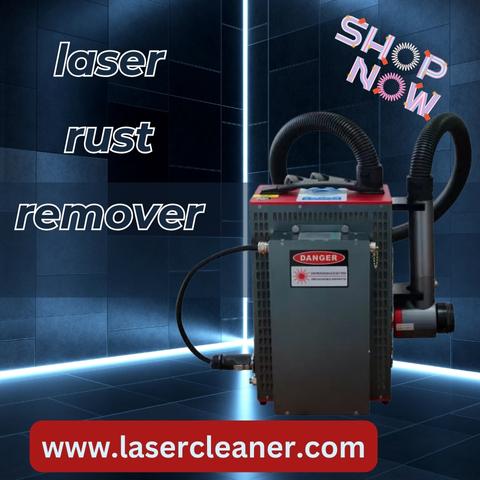
Rust is a common problem in industries that work with metal components, machinery, automotive parts, and industrial equipment. Over time, moisture and environmental exposure cause oxidation, leaving metal surfaces covered with rust and corrosion. Traditional cleaning methods can require chemicals, abrasive materials, and considerable manual effort. Modern laser technology offers a more advanced approach to handling these challenges.
A laser rust remover is an innovative cleaning solution designed to remove rust from metal surfaces using concentrated laser energy. It provides an effective way to restore metal components while maintaining better control over the cleaning process.
What Is a Laser Rust Remover?
A laser rust remover is an industrial cleaning machine that uses high-energy laser pulses to remove rust, oxidation, paint, and other unwanted surface contaminants. The laser beam interacts with the rust layer, helping separate it from the underlying metal.
Unlike traditional abrasive cleaning, laser cleaning does not rely on sand, grinding materials, or chemical solutions. This makes it a suitable option for manufacturers, automotive workshops, metal fabrication facilities, and maintenance professionals.
Depending on the application, businesses can select different laser power configurations and cleaning modes to achieve the desired surface condition.
How Does Laser Rust Removal Work?
The cleaning process begins when the laser source generates a concentrated beam of light. This beam is directed toward the contaminated metal surface through a specialized cleaning head.
When the laser energy reaches the rust layer, it causes the unwanted material to heat up and separate from the surface through processes such as ablation. The operator moves the laser cleaning head across the affected area to remove corrosion and expose the cleaner metal underneath.
The correct laser settings depend on several factors, including rust thickness, metal type, surface condition, and cleaning requirements. Proper adjustment helps achieve consistent results without unnecessarily affecting the base material.
Industrial Applications of Laser Rust Removal
Laser cleaning technology is becoming increasingly useful across different industrial sectors. Automotive manufacturers use it to clean metal components, remove corrosion, and prepare surfaces before welding or painting.
In metal fabrication workshops, laser cleaning helps remove rust from steel plates, pipes, structural components, and manufactured parts. It is also useful in shipbuilding and marine maintenance, where metal surfaces are frequently exposed to moisture and corrosive environments.
Manufacturing facilities can use laser cleaning equipment for machinery maintenance, restoration projects, and surface preparation. The technology is also suitable for cleaning selected metal tools, molds, and precision components when appropriate operating parameters are used.
Choosing the Right Laser Cleaning Machine
Selecting suitable equipment requires understanding the cleaning requirements of your business. Laser power is an important consideration because different levels of corrosion and surface contamination require different energy settings.
Portable machines are useful for workshops and maintenance operations that involve cleaning different components or working in multiple locations. Industrial systems may be more appropriate for larger cleaning areas and continuous production environments.
Buyers should also consider the laser source, cooling system, cleaning head, control interface, and availability of technical support. Before purchasing, it is important to confirm that the equipment is compatible with the metals and contaminants involved in the intended application.
Safety and Maintenance Considerations
Although laser cleaning offers a modern alternative to conventional surface treatment, operating it requires proper safety precautions. High-powered laser beams can cause serious eye and skin injuries. Operators should use suitable laser safety eyewear, protective enclosures where required, warning signs, and appropriate workplace controls.
Proper ventilation and fume extraction are also essential because removing rust, paint, or coatings can release hazardous particles and fumes. Regular inspection of optical components, cables, cooling systems, and cleaning accessories helps maintain reliable machine performance.
Final Thoughts
Laser cleaning technology is transforming the way industries approach rust removal and metal surface preparation. It provides a controlled cleaning process for various industrial applications while reducing dependence on traditional abrasive and chemical methods.
Investing in the right laser rust remover can help businesses improve their maintenance procedures, support manufacturing operations, and maintain cleaner metal surfaces. By evaluating machine specifications, application requirements, and safety arrangements, buyers can select equipment that matches their production needs and long-term business goals.

 English
 Arabic
 French
 Portuguese
 Deutsch
 Turkish
 Dutch
 Italiano
 Russian
 Romaian
 Portuguese (Brazil)
 Greek