


Spot Resistance Welder: Advanced Welding Solutions for Modern Manufacturing
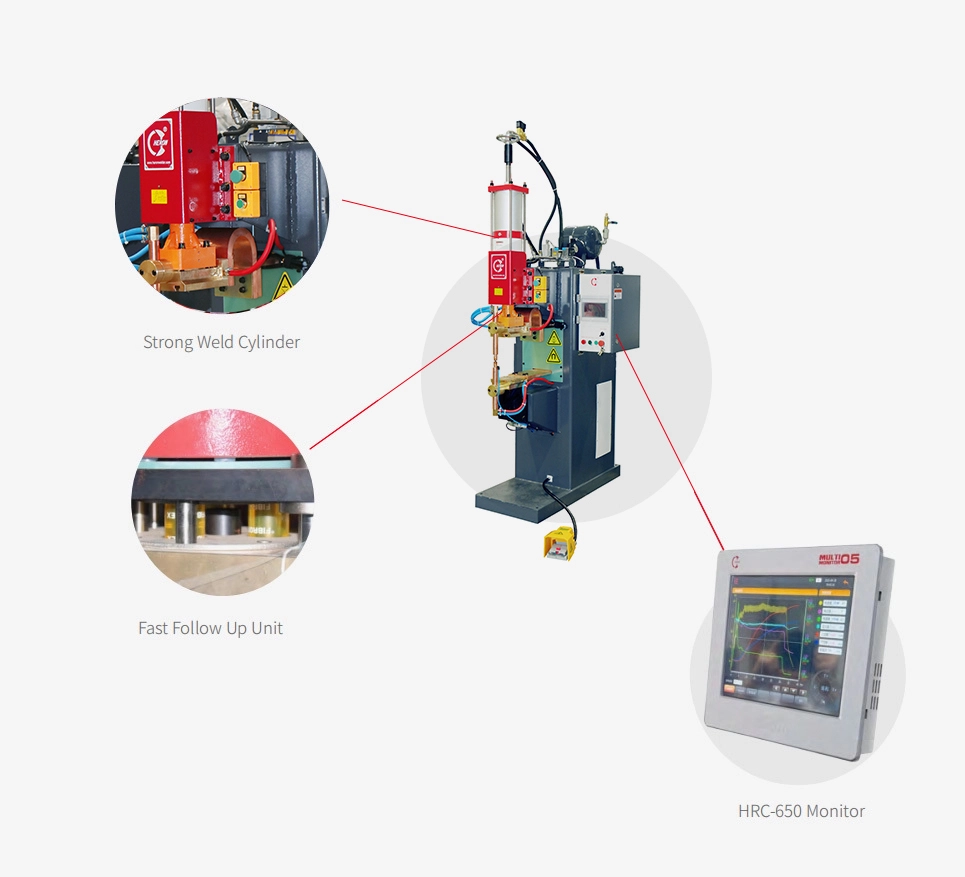
A spot resistance welder is an essential piece of equipment in modern manufacturing, designed to join metal components through electrical resistance and controlled pressure. This welding technology is widely used in automotive production, metal fabrication, electrical appliances, hardware manufacturing, and various industrial applications. By delivering concentrated electrical current to specific contact points, a spot resistance welder creates strong, reliable, and consistent welds without requiring additional filler materials.
As industries continue to demand higher production efficiency and dependable joining solutions, resistance welding technology has become increasingly important. Heron Welder provides advanced industrial welding solutions designed to support manufacturers with efficient production processes, consistent welding quality, and dependable performance.
What Is a Spot Resistance Welder?
A spot resistance welder is a machine that joins two or more metal sheets by applying electrical current and mechanical pressure through specially designed electrodes. When the electrodes press the metal surfaces together, electrical resistance generates heat at the contact area. This heat softens and melts the metal locally, forming a strong weld nugget that securely connects the components.
The welding process is controlled through several important parameters, including welding current, electrode pressure, welding time, and electrode condition. Proper coordination of these factors helps manufacturers achieve uniform welding results across different production applications.
Heron Welder focuses on providing industrial resistance welding equipment that supports precision, productivity, and reliable metal joining for modern manufacturing environments.
How Does a Spot Resistance Welder Work?
The working principle of a spot resistance welder involves three essential elements: electrical current, pressure, and heat generation. First, the metal workpieces are positioned between two electrodes. The electrodes then apply controlled pressure to hold the materials securely in place.
Next, an electrical current passes through the electrodes and metal components. Because the contact area has electrical resistance, heat develops at the joining point. This localized heat creates a molten metal region that forms the weld nugget.
After the electrical current stops, the electrodes continue applying pressure while the welded area cools and solidifies. The result is a strong connection between the metal sheets.
This carefully controlled process makes spot resistance welding an effective solution for manufacturers seeking repeatable results and efficient production operations.
Major Applications of Spot Resistance Welder Technology
A spot resistance welder is suitable for numerous industrial applications because of its ability to produce localized, consistent welds. Its versatility makes it valuable across different manufacturing sectors.
Automotive Manufacturing: Automotive manufacturers use resistance spot welding to join vehicle body panels, structural components, brackets, and other metal parts. Consistent welding helps maintain structural integrity and supports efficient vehicle assembly.
Metal Sheet Fabrication: Fabrication facilities use spot welding equipment to connect sheet metal components in cabinets, enclosures, frames, and industrial structures.
Home Appliance Production: Manufacturers of refrigerators, washing machines, air conditioners, and other household appliances rely on resistance welding for joining metal housings and internal components.
Electrical Equipment Manufacturing: Spot welding is useful for producing electrical enclosures, metal connectors, and selected electrical components that require dependable metal connections.
Hardware and General Manufacturing: Industrial hardware producers can use spot welding to assemble brackets, supports, metal fittings, and various fabricated products.
With its wide range of applications, Heron Welder supports manufacturers looking for practical welding solutions across multiple industries.
Key Advantages of a Spot Resistance Welder
Choosing a modern spot resistance welder offers several advantages for industrial production. Its combination of speed, precision, and process consistency makes it an attractive option for manufacturers.
1. High Welding Efficiency
Spot resistance welding is a fast joining process that can complete individual welds within a short cycle. This capability helps manufacturers increase production output and maintain efficient assembly operations.
2. Consistent Welding Quality
Properly configured welding parameters help produce uniform welds across repeated production cycles. Consistency is particularly important in industries where large quantities of identical components must be assembled.
3. Reduced Material Requirements
Resistance spot welding generally does not require additional filler metals, flux, or shielding gas. This simplifies the joining process and helps streamline material management.
4. Precise Localized Heating
The welding process concentrates heat around the contact area instead of heating the entire workpiece. This localized approach supports controlled metal joining and efficient energy use.
5. Easy Integration into Production Lines
Spot welding equipment can be incorporated into manual workstations, semi-automatic systems, and automated manufacturing lines. This flexibility allows businesses to organize production according to their operational requirements.
6. Strong Metal Connections
When the correct welding parameters are selected, spot welding produces dependable joints suitable for numerous industrial applications. These connections support the assembly of metal products used in demanding production environments.
Why Choose Heron Welder for Spot Resistance Welding?
When investing in industrial welding equipment, selecting a reliable manufacturer is an important consideration. Heron Welder specializes in resistance welding technology and industrial joining solutions designed to meet the needs of modern manufacturing.
Heron offers welding equipment developed for different production requirements, helping businesses select suitable solutions for their materials, components, and manufacturing processes.
The brand emphasizes important factors such as welding precision, equipment performance, process stability, and production efficiency. These characteristics make Heron Welder a valuable option for manufacturers seeking dependable industrial welding technology.
Whether a business operates in automotive manufacturing, metal fabrication, appliance production, or general industrial assembly, choosing suitable equipment can contribute to improved workflow organization and consistent product quality.
Important Factors When Selecting a Spot Resistance Welder
Selecting the right spot resistance welder requires careful consideration of production requirements. Different materials, thicknesses, and component designs may require different welding configurations.
Material Compatibility: Consider the types of metals that will be joined, including steel, stainless steel, and other suitable conductive materials.
Material Thickness: The thickness and number of metal layers influence the required welding current, electrode force, and welding duration.
Production Capacity: Evaluate the expected production volume and choose equipment that can support the required welding cycle and workload.
Electrode Configuration: Electrode shape, size, and material influence contact conditions and welding performance.
Control System: Modern welding controls help operators adjust and manage important parameters to achieve repeatable welding results.
Automation Requirements: Businesses with high production volumes may benefit from integrating spot welding equipment with automated handling and manufacturing systems.
By evaluating these factors, manufacturers can select equipment that matches their production objectives and supports long-term operational efficiency.
Benefits of Using Modern Resistance Welding Technology
Modern resistance welding equipment provides manufacturers with valuable opportunities to improve production processes. A well-configured spot resistance welder can help reduce unnecessary production steps, support consistent assembly quality, and increase manufacturing efficiency.
Its quick welding cycles are particularly beneficial for high-volume operations. Repeated welds can be produced with controlled parameters, helping maintain consistency throughout production batches.
Furthermore, the localized heating process makes resistance welding suitable for joining many sheet metal components without applying heat across the entire workpiece. This supports efficient manufacturing and helps maintain the desired component dimensions.
With advanced equipment from Heron Welder, businesses can build productive welding operations that support their quality standards and manufacturing goals.
The Future of Spot Resistance Welder Technology
Industrial manufacturing continues to evolve through improvements in automation, digital controls, and intelligent production management. Resistance welding equipment is also benefiting from these developments.
Modern welding systems increasingly incorporate programmable controls, monitoring capabilities, and automated production integration. These features help manufacturers manage welding parameters, improve process repeatability, and maintain better production oversight.
The demand for efficient metal joining solutions across automotive, electronics, appliances, and general manufacturing industries will continue to support the importance of resistance welding technology.
Heron Welder remains focused on industrial welding solutions that help manufacturers adapt to changing production requirements while maintaining dependable joining performance.
Final Thoughts
A spot resistance welder is an important investment for manufacturers seeking efficient, precise, and consistent metal joining solutions. Its ability to create strong localized welds, support rapid production cycles, and integrate into different manufacturing environments makes it suitable for a wide range of industrial applications.
From automotive body assembly to sheet metal fabrication and appliance manufacturing, spot resistance welding provides practical advantages that contribute to productive manufacturing operations.
Heron Welder offers industrial resistance welding solutions designed to support modern production requirements. By selecting suitable equipment and maintaining appropriate welding parameters, manufacturers can improve workflow efficiency, achieve reliable welding quality, and strengthen their overall production capabilities.
For businesses looking to enhance their metal joining processes, investing in advanced spot resistance welding technology is a valuable step toward efficient and dependable manufacturing.

 English
 Arabic
 French
 Spanish
 Portuguese
 Turkish
 Dutch
 Italiano
 Russian
 Romaian
 Portuguese (Brazil)
 Greek