


Can Teenagers Use the Same Skincare Products as Adults?
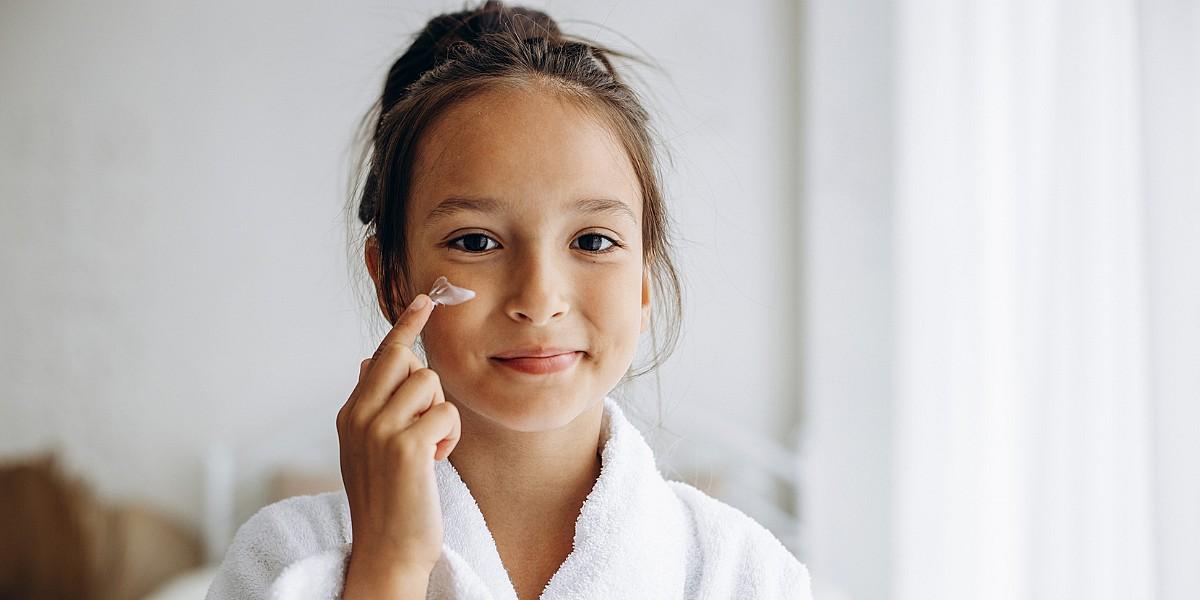
It's like a fifteen-year-old girl who needs face wash in the morning but doesn't have any, so she takes the bottle from her mom's shelf. The tag says it's gentle, it smells nice, and it looks a lot more grown-up than anything else in her bag. After using it, she thinks it may have been a bad idea.
The short answer is that teens can use some adult skincare items, but not all. In general, it's okay to share sunscreen, gentle cleansers, and plain moisturizers. Creams that fight aging, retinol, and high-strength acids are different from other treatments. The best option depends on the product's strength, your skin type, and any skin concerns you may have. Those are the first steps for anyone interested in safe and smart teen beauty.
Is Teenage Skin Really Different From Adult Skin?
In some ways, yes. During puberty, hormones tell the oil glands to produce more sebum. When dead skin cells and extra oil mix, they can block pores. This can cause blackheads, whiteheads, or the occasional pimple. Adult skin usually makes less oil and may need more help staying hydrated and showing signs of aging.
Still, not every kid is the same. Some people have oily skin that breaks out a lot. Some people don't get many pimples because their skin is dry or sensitive. Skin can also look different each month. If a teen in Pakistan spends a lot of time outside in the summer heat, they might notice their oil levels differ from those of someone who stays in a cool room. If you want to know what makes a teen's skin look different, look at your own skin instead of assuming it acts like everyone else's.
Can Teenagers Share Everyday Skincare Products With Adults?
It's easiest to share simple items. Most people, of all ages, can use a mild cleanser that removes dirt without drying out the skin. A light, unscented moisturizer can work for both teens and adults. Broad-spectrum sunscreen is good for everyone because it blocks both UVA and UVB rays.
Products that are made to solve a unique problem for adults are not as good. Anti-aging serums, firming creams, and heavy night creams serve different skin needs. Teenagers' skin may feel greasy after using them, and they may block pores. Teenagers should choose beauty products based on their own skin, not on what's already in the bathroom cabinet. A product that works for an adult might not be right for a teen.
Ingredients That Matter in Teen Beauty Products
It's better to read the ingredient list than the front of the bottle. This is what most common ingredients do.
Salicylic acid
This ingredient is often used to treat blackheads and mild breakouts because it helps remove oil that builds up inside pores. Cleansers and spot treatments often have low concentrations. Using it too much can dry out and irritate your skin.
Benzoyl peroxide
It goes after the bacteria that cause pimples. It can dry out skin, cause redness and peeling, and bleach fabric. Start slowly and use a lower strength.
Retinol
Retinol is mostly used to treat wrinkles and skin texture issues. It might bother some people, especially when you first start using it. Most teens don't need it, and they shouldn't use it without talking to a doctor first.
Exfoliating acids
Lactic and glycolic acids remove dead skin cells. If you use them too often, they can hurt your skin's barrier and make acne worse.
Fragrance
People with sensitive skin often get irritated by perfume. Most of the time, fragrance-free products are safer.
Moisturizing ingredients
Glycerin, hyaluronic acid, and ceramides help skin hold water. These are soft and good for most people.
As important as the ingredient itself is, so are its strength and how often you use it. Using a strong level every day can hurt more than using a weak level twice a week. Always follow the package directions.
Building a Simple Routine for Teen Beauty
Teenagers don't need more than three or four things. A simple plan is easier to stick to and fix if something goes wrong.
-
First, wash your face with a mild cleanser. Then apply a light moisturizer. Finally, put on sunscreen. If you don't want to use moisturizer because your skin is oily, you can use a light gel type.
-
When you get home at night, wash off any makeup, sweat, and sunscreen. After that, put on moisturizer. If your pharmacist or doctor has suggested an acne treatment, you can add it at night. However, it is best to add one new product at a time.
-
Bring something new in slowly. Before applying it to your whole face, try a small amount on your jawline first. A short routine done every day is better than a long one done once a week.
Why Copying an Adult Skincare Routine Can Cause Problems
Ten-step routines look normal on social media. Many were made for adults with specific problems in mind, and some are meant to sell more stuff. Online teen beauty videos often don't consider age, skin type, or sensitivity.
Too much scrubbing or exfoliating can leave the face red and raw, which is a common problem. Using acids, retinol, benzoyl peroxide, and other active ingredients together in the same routine can overwhelm the skin barrier. Anti-aging products don't really help young skin and may even make it worse. Layering too many serums and creams can also clog pores and make it hard to tell what is good for you and what's not.
Trust your gut if a celebrity says a product changed how their skin looks. Their skin, age, and routine may be very different from yours. Choose products based on what your skin needs, not the brand, the number of views, or claims made by adults.
How Parents Can Help Choose Suitable Teen Beauty Products
A little care goes a long way, and parents often buy skin care for their kids. Don't trust the marketing right away; read the ingredient list first. Watch for strong active ingredients and strong scents. Also, make sure the product is made for the face.
Pay attention to the label's instructions, which tell you how often and how much to use. Consider your child's skin type and whether they have ever been sensitive or had an allergic reaction. If a product caused a rash in a teen before, avoid similar ingredients.
Teenagers should also be taught what each item does. Kids who know why they use a cleanser or sunscreen are more likely to use it correctly and less likely to do what everyone else does.
Signs That a Skincare Product Is Not Right for You
If your skin starts to sting, burn, itch, or turn an odd shade of red soon after applying a product, stop using it. If your skin feels tight or dry or if you have more breakouts than before, the product might not be right for you. Most of the time, mild reactions go away when you stop; if they don't, talk to someone before you do anything else.
When Should Teenagers Visit a Dermatologist?
For some skin issues, over-the-counter medicines are not enough. If acne doesn't go away, hurts, or leaves marks, you should see a doctor. If you notice swelling, deep lumps, or a reaction that won't go away after you stop using a product, see a doctor.
When a dermatologist looks at your face, they can figure out what might be wrong and suggest ways to treat it. This is better than guessing with products you have at home.
Common Skincare Mistakes Teenagers Should Stay Away From
-
Putting on makeup before bed
-
Not putting on sunscreen, even when it's cloudy
-
Washing your face too often can dry it out.
-
Picking at or squeezing pimples can leave scars.
-
Using products without knowing what they're for
To Read More Blogs: Click Here
Last Words
Teenagers and adults can share some skincare products as long as they're gentle and good for their skin. If someone wants to buy something, it's not about whether it's for adults or not, but about whether it fits that person. Shorten the routine, read the labels, and add new products slowly. If problems persist, get help from an expert. Teenagers who want to look good don't have to follow every trend. Instead, they should do a few simple things every day.

 Arabic
 French
 Spanish
 Portuguese
 Deutsch
 Turkish
 Dutch
 Italiano
 Russian
 Romaian
 Portuguese (Brazil)
 Greek