


Rhinoplasty for Balanced and Refined Facial Features at Glamorous
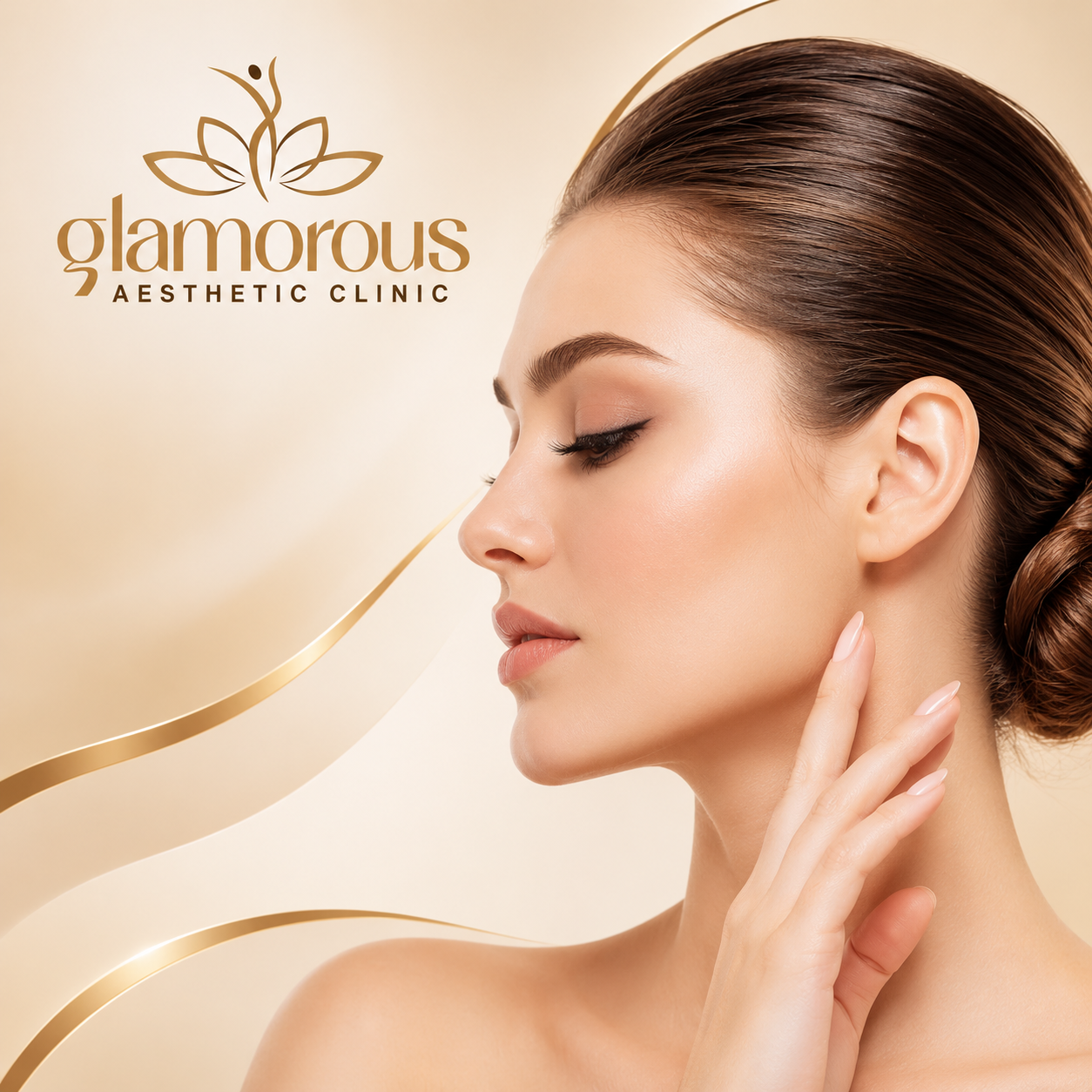
Look at any face closely and you will notice that the nose sits right at its center. It shapes how the eyes, cheeks, lips, and chin are perceived. Even a small mismatch in size or angle can quietly shift the harmony of the whole face. This is the reason many people start looking into nose reshaping. For those who want a skilled, personalized approach, Rhinoplasty in Islamabad has become a popular choice among patients seeking subtle and natural improvement. A well-planned procedure does not aim to give everyone the same nose. It aims to give each person a nose that suits their own features. The best results are often the ones nobody can pinpoint, because the face simply looks more settled and comfortable. Understanding what the surgery involves is the first step toward making a confident decision.
Why the Nose Matters So Much?
The nose is the most prominent feature in the middle of the face, so it strongly influences first impressions. A bump on the bridge, a drooping tip, wide nostrils, or a slight deviation can draw attention away from other attractive features. Some people feel their nose overpowers their face, while others feel it looks too small or flat. Rhinoplasty addresses these concerns by adjusting the underlying bone and cartilage so the nose blends better with the surrounding structure. The goal is proportion, meaning the nose works with the forehead, eyes, lips, and chin rather than competing with them.
Common Concerns Rhinoplasty Can Address
Patients come with a wide range of reasons. Some want to smooth a dorsal hump, while others wish to refine a bulbous or broad tip. Some want to narrow a wide bridge, lift a downward-pointing tip, or correct asymmetry caused by genetics or an old injury. Others have a nose that looks fine from the front but unbalanced from the side profile. A good surgeon studies the nose from every angle and considers how small changes in one area will affect the rest. Often, a modest adjustment creates a bigger visual difference than a dramatic one.
Function Matters as Much as Appearance
Rhinoplasty is not only cosmetic. Many people have breathing difficulties caused by a deviated septum, narrow nasal passages, or enlarged turbinates. In such cases, the surgeon can improve the way the nose looks and the way it works in the same operation. Better airflow can improve sleep, comfort during exercise, and day-to-day energy. A thorough consultation should always include an assessment of breathing, not just a discussion of appearance. Patients who care about both form and function tend to be happier with their long-term outcome.
The Importance of Individualized Planning
No two noses are alike, and no two faces call for the same solution. Skin thickness, bone structure, cartilage strength, ethnic features, and age all affect what is possible and what will look natural. For example, thicker skin may not show fine definition as clearly as thinner skin, and this should be discussed honestly in advance. A careful surgeon will take photographs, examine the nose in detail, and explain realistic expectations. Many practices also use digital imaging to help patients visualize possible changes, though such images are a guide and not a promise. Open, honest communication at this stage prevents disappointment later.
What to Expect During the Procedure?
Rhinoplasty is usually performed under general anesthesia and typically takes a few hours, depending on complexity. There are two main approaches. In the closed technique, incisions are made inside the nostrils, leaving no visible external scar. In the open technique, a small incision is placed across the columella, the strip of tissue between the nostrils, which gives the surgeon a wider view of the structures. The choice depends on the changes required and the surgeon’s judgment. Once the reshaping is complete, a splint is placed on the nose to protect and support it as it heals.
Recovery and Healing Timeline
Recovery is gradual, and patience is part of the process. Swelling and bruising around the nose and eyes are common in the first week or two, and the splint is usually removed after about a week. Most people return to desk work within one to two weeks, while strenuous activity and contact sports need to wait for several weeks. Although the nose looks much better within a few weeks, subtle swelling, especially in the tip, can take many months to settle fully. The final result often takes up to a year to appear. Following the surgeon’s aftercare instructions, sleeping with the head elevated, avoiding blows to the nose, and attending follow-up visits all support a smooth recovery.
Choosing the Right Surgeon
Your choice of surgeon is the most important decision in the whole process. Look for a qualified, board-certified plastic or facial plastic surgeon with extensive experience specifically in nose surgery. Ask to see before-and-after photographs of previous patients, and pay attention to whether the results look natural rather than overdone. A trustworthy surgeon listens carefully, explains risks openly, and will tell you when a request is unrealistic. Be cautious of anyone who promises perfection or pressures you to decide quickly. The facility should also meet proper safety and hygiene standards, with a qualified anesthesia team in place.
Understanding the Risks
Like any surgery, rhinoplasty carries risks. These can include infection, bleeding, scarring, breathing difficulties, asymmetry, or a result that differs from what was hoped. In a small number of cases, a revision procedure may be recommended. Choosing an experienced surgeon and following aftercare guidance greatly reduces these risks. It also helps to enter the process with realistic expectations. Surgery can improve balance and confidence, but it cannot create an entirely different face or solve problems that have no connection to the nose.
Questions Worth Asking at Your Consultation
Before committing, come prepared with questions. Ask which technique the surgeon recommends and why. Ask how many similar procedures they have performed, what recovery will look like for your specific case, and what the total cost includes. Ask what happens if a revision is needed. Taking notes and asking for time to think are both perfectly reasonable. A good surgeon welcomes informed patients.
Conclusion
Rhinoplasty, when done thoughtfully, is about restoring harmony rather than changing identity. The right surgeon will study your unique features, set honest expectations, and plan changes that improve both appearance and breathing. Recovery takes time, and the final result reveals itself slowly, but the outcome can be a more balanced profile and greater everyday confidence. If you are considering this procedure, take the time to research, ask questions, and choose a qualified professional. A well-informed decision is the foundation of a result you will be happy with for years to come.

 English
 Arabic
 French
 Spanish
 Portuguese
 Deutsch
 Turkish
 Italiano
 Russian
 Romaian
 Portuguese (Brazil)
 Greek