


Managing Redness and Downtime After Laser Scar Removal in Dubai
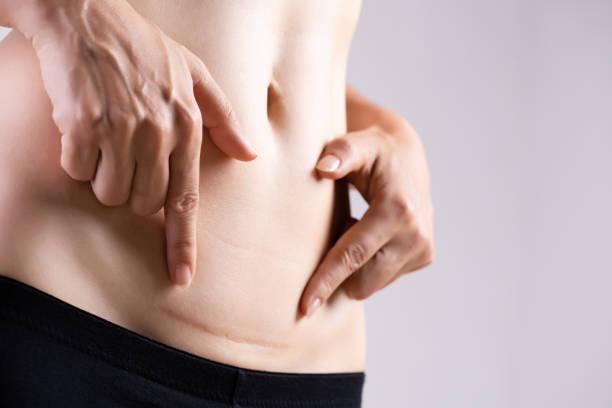
Temporary redness and sensitivity can be part of the skin's response to a laser procedure. The degree of visible recovery varies considerably, depending on the technology, energy settings, treatment area, and individual healing characteristics. Anyone considering Laser Scar Removal in Dubai should understand that downtime is not identical for every treatment and may range from mild flushing to several days of more noticeable skin recovery.
Planning ahead can make the experience more manageable. It also helps patients distinguish expected healing effects from symptoms that require medical attention.
Why Redness Occurs After Laser Treatment
Laser energy interacts with selected skin structures and can produce a controlled inflammatory response. Increased blood flow to the treated area may cause temporary redness and warmth.
The intensity and duration depend on the procedure.
Redness after non-ablative treatment
Non-ablative laser procedures do not remove the skin surface in the same way as ablative resurfacing. Some patients experience temporary redness, warmth, or mild swelling.
The visible reaction may settle relatively quickly, although individual recovery varies.
Redness after ablative resurfacing
Ablative treatments remove controlled portions of tissue and usually involve a more noticeable healing process.
Redness, swelling, peeling, and small crusts may occur. The skin may remain sensitive while the surface repairs itself.
How Long Does Downtime Last?
There is no reliable single recovery period for all laser scar procedures. A clinician should provide an estimate based on the exact device and treatment intensity.
| Treatment characteristic | Possible recovery experience |
|---|---|
| Lower-intensity non-ablative treatment | Temporary redness or warmth |
| More intensive non-ablative treatment | Redness and swelling that may last longer |
| Ablative fractional resurfacing | More visible redness, peeling, and crusting |
| Larger treatment area | Recovery may be more noticeable than with a small area |
These are general patterns, not guaranteed timelines. Skin response can differ even between people receiving similar treatments.
Practical Ways to Manage Redness After Laser Scar Removal in Dubai
The most important step is to follow the aftercare instructions provided by the treating clinician.
Use only approved soothing products
A clinician may recommend a suitable moisturiser, ointment, or other product depending on the procedure.
Avoid experimenting with new skincare ingredients during the early recovery period.
Keep the treated area protected
Avoid unnecessary rubbing, scratching, or friction. Follow the clinic's instructions about cleansing and handling the treated skin.
Avoid excessive heat when advised
Some procedures require temporary avoidance of activities that increase heat or sweating. Ask whether intense exercise, steam rooms, saunas, or hot environments should be avoided during recovery.
Protect healing skin from sunlight
Sun exposure can increase the risk of pigmentation changes. Use physical protection such as shade, hats, and suitable clothing. Apply sunscreen when the clinician confirms that the skin is ready.
Planning Work and Social Activities Around Downtime
Visible redness or peeling may affect daily plans, especially after more intensive resurfacing.
Patients can make recovery easier by scheduling treatment when they have flexibility.
Consider planning around:
-
Important work presentations
-
Weddings and social events
-
Travel arrangements
-
Outdoor activities
-
Swimming or fitness commitments
-
Events where makeup is expected
Do not assume that redness can always be concealed with cosmetics. Makeup should not be applied to open or actively healing skin unless approved by the clinician.
When Redness May Indicate a Problem
Some redness is expected after certain procedures, but worsening symptoms should not be ignored.
Contact the treating clinic if redness spreads, becomes increasingly painful, or is accompanied by significant warmth, discharge, fever, or blistering.
Other concerns that require assessment include:
-
Severe or increasing swelling
-
New areas of skin breakdown
-
Persistent or worsening pain
-
Unexpected dark or light patches
-
Delayed healing
-
Signs of infection
The clinician can determine whether the response is within the expected recovery range or needs treatment.
Factors That May Extend Recovery
Several factors can influence how long visible downtime lasts.
Treatment intensity
Higher treatment intensity or greater treatment density can lead to more noticeable recovery.
Skin sensitivity and history
A history of irritation, pigment changes, or delayed healing should be discussed before treatment.
Treatment location
Different body areas have different skin thickness, movement, and exposure patterns. These factors can affect comfort and healing.
Aftercare consistency
Following the prescribed routine helps reduce avoidable irritation. Picking crusts, using harsh products, or exposing healing skin to excessive sunlight can complicate recovery.
Does Longer Downtime Mean Better Results?
No. A longer recovery period does not automatically mean a better outcome.
The goal is to select an appropriate treatment intensity that balances potential improvement with safety. More aggressive treatment may carry greater risks and may not be suitable for a particular scar or skin type.
A clinician should explain why the proposed settings are appropriate and what alternatives are available.
Clinic Note
Redness is a possible response to laser treatment, but its expected duration depends on the device and intensity. Patients should receive a clear recovery plan before treatment, including guidance on skincare, sun exposure, activity restrictions, and warning signs that require medical review.
Frequently Asked Questions
Is redness normal after laser scar treatment?
Temporary redness can occur after many laser procedures. Its severity and duration depend on the technology and treatment intensity.
Can I go to work the next day?
Some patients may feel comfortable returning to work quickly, while others need more recovery time. The clinician can advise based on the planned procedure.
Can I use makeup to cover redness?
Only when the treated skin has healed sufficiently and the clinician confirms makeup is safe to use.
Should I use ice to reduce swelling?
Do not apply ice directly or use cooling methods without guidance. Ask the clinic which comfort measures are appropriate for the specific procedure.
When should I worry about redness?
Seek advice if redness worsens, spreads, becomes increasingly painful, or occurs with discharge, fever, blistering, or delayed healing.
Prepare for Recovery at Tajmeels Clinic
Understanding downtime before treatment helps patients plan around work, travel, and daily responsibilities. Tajmeels Clinic can be approached to discuss available scar treatment options and their expected recovery requirements. A consultation can help clarify the likely skin response, aftercare routine, and appropriate timing for follow-up.

 English
 French
 Spanish
 Portuguese
 Deutsch
 Turkish
 Dutch
 Italiano
 Russian
 Romaian
 Portuguese (Brazil)
 Greek