


Which Ingredients Should You Avoid in Skin Whitening Creams?
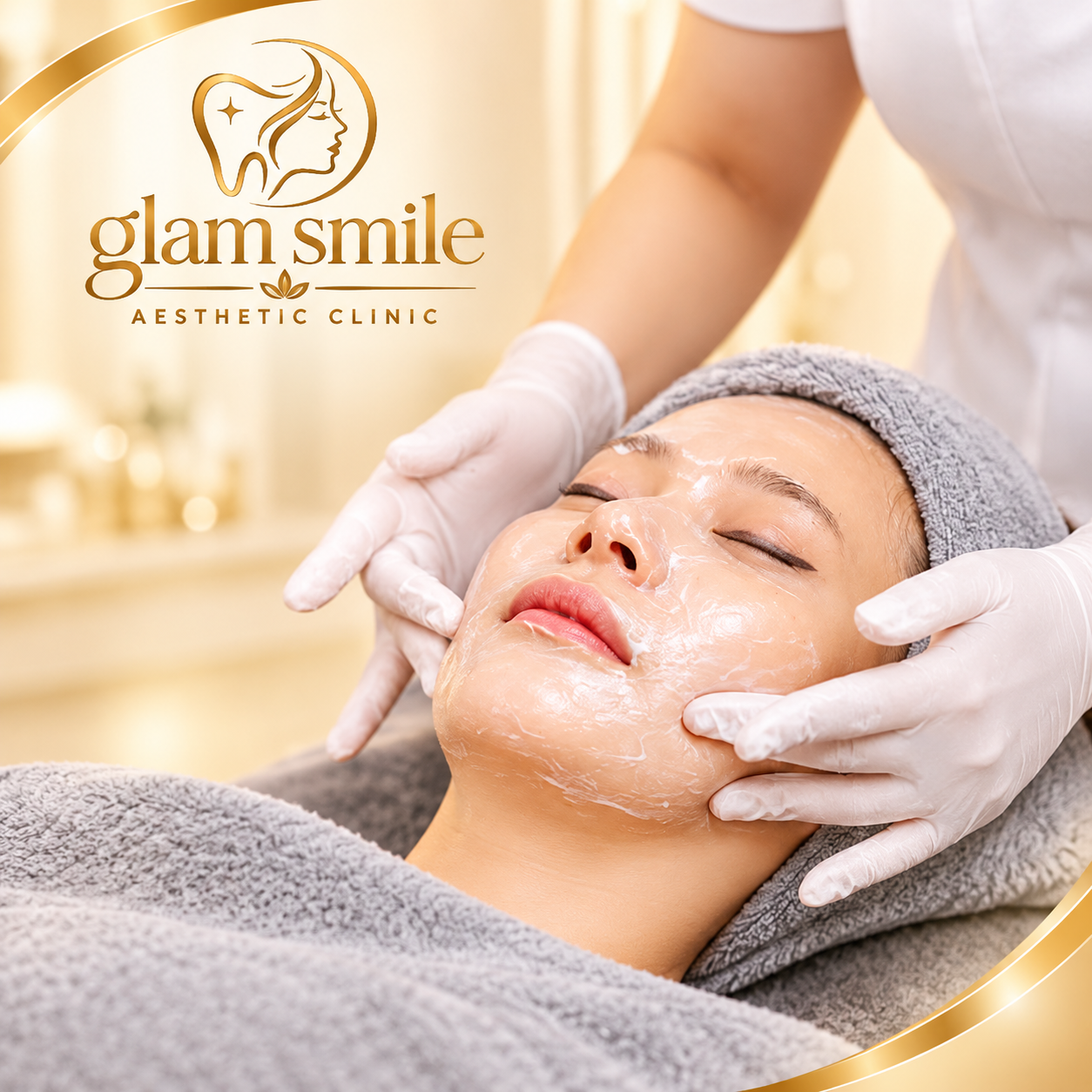
Skin whitening creams are commonly used to reduce dark spots, uneven skin tone, pigmentation, and discoloration. However, not every product available in the market is safe for regular use. Some creams contain harsh chemicals that may damage the skin, cause irritation, or lead to long-term health concerns.People considering Skin Whitening in Islamabad should understand which ingredients to avoid before choosing any brightening or pigmentation treatment. Reading product labels and seeking professional advice can help prevent unwanted side effects and protect overall skin health.
Why Is It Important to Check Skin Whitening Cream Ingredients?
The ingredients in a skincare product determine how it affects your skin. While some ingredients help improve pigmentation safely, others may cause dryness, inflammation, allergic reactions, and skin thinning.Using unsuitable whitening products for an extended period can also make existing skin concerns worse. Some unregulated creams contain ingredients that are not clearly mentioned on their labels, making them particularly risky.Before applying any whitening cream, check its ingredient list and choose products from reliable manufacturers.
Ingredients You Should Avoid in Skin Whitening Creams
Understanding potentially harmful ingredients can help you make better skincare decisions.
Mercury
Mercury is one of the most dangerous ingredients sometimes found in unregulated skin-lightening products. It may reduce pigmentation temporarily, but prolonged exposure can cause serious health problems.
Potential concerns include:
-
Kidney damage
-
Skin irritation and rashes
-
Nervous system problems
-
Changes in skin colour
-
Harmful effects from long-term exposure
Mercury can also affect other people through exposure to contaminated skin products and surfaces. Avoid products containing mercury, mercurous chloride, calomel, or related mercury compounds.
Hydroquinone
Hydroquinone is a skin-lightening ingredient that reduces melanin production. Dermatologists may prescribe it for certain pigmentation conditions, but it is not suitable for unsupervised or prolonged use.Incorrect application can cause redness, dryness, irritation, and increased sensitivity. Extended or inappropriate use may also lead to ochronosis, a condition that causes unusual dark or blue-black skin discoloration.Avoid using hydroquinone without professional guidance, particularly in high concentrations or for extended periods.
Topical Steroids
Certain steroid ingredients, including clobetasol and betamethasone, may be secretly added to whitening creams to create quick visible changes.Although topical steroids have legitimate medical uses, they should not be used as ordinary skin-brightening products.
Unsupervised use can cause:
-
Thinning of the skin
-
Visible blood vessels
-
Acne-like breakouts
-
Stretch marks
-
Increased skin sensitivity
-
Rebound redness after discontinuation
Always use steroid-containing creams according to a qualified healthcare professional's instructions.
High Concentrations of Kojic Acid
Kojic acid is commonly included in pigmentation and brightening products. It can help reduce melanin production, but high concentrations or unsuitable formulations may irritate sensitive skin.
Possible reactions include itching, redness, dryness, and allergic contact dermatitis.
Choose properly formulated products and introduce them gradually according to professional advice.
Harsh Fragrances and Artificial Dyes
Fragrances and artificial colours do not provide essential skin-whitening benefits. However, they may increase the likelihood of irritation, especially for people with sensitive or reactive skin.
Look for fragrance-free products if your skin frequently develops redness, itching, or rashes after applying cosmetics.
Strong Chemical Exfoliants
Ingredients such as glycolic acid and salicylic acid can improve skin texture and pigmentation when used appropriately. However, excessively strong concentrations or frequent application may damage the skin barrier.Over-exfoliation can cause peeling, burning, inflammation, and increased sensitivity to sunlight.
What Are the Signs That a Whitening Cream Is Damaging Your Skin?
Your skin may show warning signs when a product contains unsuitable ingredients or is being used incorrectly.
Common symptoms include:
-
Persistent redness or burning
-
Unusual dryness and peeling
-
Itching or swelling
-
Sudden acne breakouts
-
Increased skin sensitivity
-
Unusual dark patches or discoloration
If you experience these symptoms, stop using the suspected product and seek medical advice. Severe swelling, blistering, or breathing difficulties require urgent medical attention.
How to Choose a Safer Skin Whitening Cream
Choosing the right skincare product requires attention to ingredients, formulation, and your individual skin type.
Consider the following recommendations:
Check the ingredient list: Avoid products containing mercury, undisclosed steroids, and other potentially harmful substances.
Choose reputable brands: Purchase skincare products from reliable manufacturers and authorized sellers.
Look for suitable ingredients: Ingredients such as niacinamide, azelaic acid, and vitamin C may help improve uneven skin tone when properly formulated.
Use sunscreen: Daily broad-spectrum sunscreen with SPF 30 or higher helps prevent further pigmentation and protects your skin from ultraviolet damage.
Perform a patch test: Test a small amount of a new product on a limited area of skin before regular application.
Seek professional advice: A dermatologist can identify the cause of pigmentation and recommend suitable treatment options.
Are Professional Skin Whitening Treatments Safer Than Creams?
Professional pigmentation treatments may be appropriate for people who do not achieve satisfactory results with ordinary skincare products. Treatment options can include chemical peels, laser procedures, and medically supervised topical treatments.However, no treatment is completely risk-free. The most suitable option depends on your skin type, pigmentation concerns, medical history, and treatment goals.A professional assessment helps determine whether pigmentation is caused by sun exposure, melasma, acne marks, hormonal changes, or another skin condition.At Glam Smile Clinic, individuals interested in improving their skin appearance can seek professional guidance about available aesthetic treatments and suitable skincare approaches.
Frequently Asked Questions
Can Skin Whitening Creams Cause Permanent Skin Damage?
Yes. Certain products containing mercury or improperly used topical steroids can cause serious and potentially long-lasting skin and health problems.
Is Hydroquinone Safe for Skin?
Hydroquinone may be effective for treating specific pigmentation concerns when prescribed and monitored by a qualified professional. Unsupervised or prolonged use can cause unwanted side effects.
Which Ingredients Are Better for Skin Brightening?
Niacinamide, vitamin C, and azelaic acid are commonly used to improve uneven skin tone. Their suitability depends on the individual's skin condition and product formulation.
Can I Use Whitening Cream Every Day?
Some brightening creams are designed for daily use, while others require limited application. Follow the product instructions and professional recommendations to avoid irritation.
Does Sunscreen Help Prevent Skin Darkening?
Yes. Regular use of broad-spectrum sunscreen helps protect against UV-related pigmentation and prevents existing dark spots from becoming more noticeable.
Conclusion
Choosing a skin whitening cream requires more than looking at its promises or advertised results. Ingredients such as mercury, improperly used hydroquinone, potent topical steroids, and harsh chemical formulations can create significant skin concerns. Always read product labels, choose reputable skincare products, and consult a qualified professional before starting a pigmentation treatment. With appropriate skincare, sun protection, and expert guidance from places such as Glam Smile Clinic, you can work towards healthier-looking skin while minimizing unnecessary risks.

 English
 Arabic
 Spanish
 Portuguese
 Deutsch
 Turkish
 Dutch
 Italiano
 Russian
 Romaian
 Portuguese (Brazil)
 Greek