


Is Redness Normal After Laser Tattoo Removal?
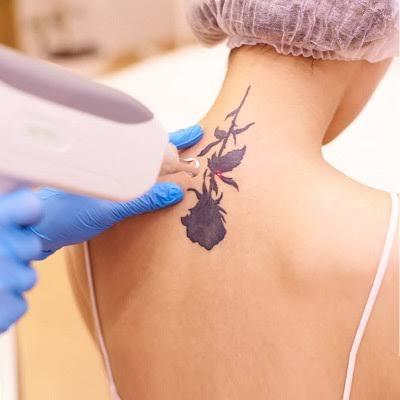
Tattoo removal has become an increasingly popular cosmetic procedure for individuals who want to remove unwanted tattoos and improve their skin appearance. Modern laser technology offers an effective way to break down tattoo pigments gradually without surgically removing the skin. However, after undergoing treatment, many people notice temporary changes in the treated area, particularly redness and mild swelling. Laser Tattoo Removal in Dubai is a professional treatment option for individuals seeking to reduce unwanted tattoo ink while improving the overall appearance of their skin. One common concern after a session is whether redness is a normal reaction or a sign of a complication. In most cases, mild redness is a natural part of the skin's healing response and usually improves as the treated area recovers. Understanding why redness occurs, how long it lasts, and how to care for the skin can help patients feel more confident throughout the recovery process.
Why Does Redness Occur After Laser Tattoo Removal?
Redness after laser tattoo removal is generally caused by the skin's natural response to laser energy. During the procedure, concentrated light pulses target tattoo pigments beneath the skin and break them into smaller particles. This process creates a controlled reaction in the treated area, which may temporarily affect the surrounding tissue.
As the skin responds to the treatment, blood flow to the area can increase, producing visible redness. Mild inflammation may also occur as the body's natural healing mechanisms begin working. These reactions are usually temporary and may be accompanied by slight warmth, tenderness, or swelling.
The intensity of redness can vary depending on the tattoo's size, pigment density, treatment settings, and individual skin sensitivity. Some people experience only mild pinkness, while others may notice more noticeable redness immediately after their appointment.
Is Redness a Normal Healing Response?
Yes, mild redness is generally considered a normal reaction after laser tattoo removal. It indicates that the skin has responded to the treatment and is beginning its recovery process. The treated area may appear pink, red, or slightly swollen during the first few hours or days.
The degree of redness is not necessarily an indication of how successful the treatment has been. Some tattoos respond to laser energy with very little visible irritation, while others may produce a stronger temporary skin reaction.
Patients should follow their practitioner's aftercare instructions and observe how the treated area changes during recovery. Redness that gradually decreases is generally reassuring, whereas redness that becomes increasingly painful, spreads, or is accompanied by other concerning symptoms should be professionally assessed.
How Long Does Redness Last After Laser Tattoo Removal?
The duration of redness varies from person to person. In many cases, mild redness begins to improve within a few hours or several days after treatment. Some individuals may experience redness for a longer period, particularly when larger tattoos or more intensive treatments are involved.
Skin sensitivity, tattoo location, pigment depth, and individual healing ability can influence recovery time. Areas with thinner or more sensitive skin may react differently from areas with thicker skin.
It is important not to compare recovery with other patients because everyone's skin responds differently. If redness persists longer than expected or does not appear to improve, contacting the treating practitioner is recommended.
What Other Skin Reactions Can Occur After Treatment?
Redness is not the only temporary reaction that may occur following laser tattoo removal. Some patients experience mild swelling, tenderness, warmth, or sensitivity in the treated area. These reactions are commonly associated with the skin's inflammatory response.
Small blisters or superficial scabs may also develop in some cases. Although these reactions can be part of the healing process, they should be handled carefully. Picking blisters or removing scabs can increase the risk of infection, scarring, and pigmentation changes.
Temporary lightening or darkening of the skin may also occur. These changes are often related to how the skin responds to laser energy and may gradually improve. Any unusual or persistent reaction should be discussed with a qualified professional.
What Factors Influence Redness After Laser Treatment?
Several factors can influence the amount of redness experienced after a tattoo removal session. One important factor is skin sensitivity. Individuals with sensitive skin may experience more noticeable redness and tenderness than those with less reactive skin.
The size and location of the tattoo can also affect the response. Larger tattoos involve a wider treatment area, while certain body locations may be more sensitive because of differences in skin thickness and circulation.
Laser settings and the type of equipment used are equally important. The practitioner selects suitable settings according to the tattoo's ink colors, depth, and the patient's skin characteristics. Individual health factors and previous skin treatments may also influence the recovery process.
How Can You Reduce Redness After Laser Tattoo Removal?
Following appropriate aftercare instructions can help soothe the treated skin and support a comfortable recovery. Applying a clean, cool compress may help reduce temporary warmth and discomfort when recommended by the practitioner. Ice should never be placed directly on the treated area because it can irritate or damage the skin.
Keeping the treatment area clean is essential. Patients should gently follow the cleansing instructions provided by their practitioner and avoid using harsh skincare products, exfoliants, or irritating chemicals during the initial healing period.
Recommended soothing ointments or dressings should be used as directed. It is also important to avoid unnecessary friction, scratching, and picking at the treated area. These precautions help protect the skin while it recovers.
What Should You Avoid During the Healing Process?
Certain activities and skincare habits may increase irritation after laser tattoo removal. Direct sun exposure should be minimized because ultraviolet radiation can increase the risk of pigmentation changes in healing skin.
Patients should also avoid tanning beds, excessive heat, and activities that create unnecessary friction or sweating around the treated area during the initial recovery period. Swimming pools, hot tubs, and other environments that may expose healing skin to contaminants should be avoided until the skin has recovered sufficiently and the practitioner confirms they are safe.
Using strong chemical exfoliants, retinoids, or fragranced skincare products on the treated area should also be avoided unless specifically approved by the treating professional. Following individualized aftercare advice is more important than experimenting with different home remedies.
When Should You Be Concerned About Redness?
Although mild redness is common, certain symptoms may indicate that the skin needs medical attention. Increasing redness, worsening pain, significant warmth, spreading swelling, pus, or unusual discharge may suggest an infection or another complication.
A fever or red streaks extending away from the treatment area also require prompt medical assessment. Patients should not assume that every reaction is a normal part of recovery, particularly when symptoms become progressively worse instead of improving.
If redness remains severe or continues beyond the expected healing period, contacting the treating practitioner is advisable. Early assessment can help identify potential problems and determine whether additional care is necessary.
Does Redness Affect the Final Tattoo Removal Results?
Temporary redness does not necessarily affect the final results of laser tattoo removal. It is generally a short-term skin reaction rather than an indication that the treatment has failed. The actual fading process takes place gradually as the laser breaks down tattoo pigment and the immune system removes smaller ink particles.
The skin needs adequate time to recover between appointments. Scheduling additional sessions too soon may increase irritation and interfere with the normal healing process. Following the recommended treatment intervals helps support a more controlled approach.
Patients should remember that tattoo removal results depend on factors such as ink color, tattoo age, pigment depth, and individual immune response. Redness alone cannot determine how much ink has been removed.
How Can Professional Care Support Better Recovery?
Professional guidance is important throughout the tattoo removal process. An experienced practitioner evaluates the skin before treatment, selects appropriate laser settings, and provides instructions based on the patient's individual needs.
During follow-up appointments, the practitioner can assess how the skin has healed and determine whether another session is appropriate. This helps reduce the risk of unnecessary treatment and allows potential complications to be identified early.
Patients should share any unusual symptoms, previous skin reactions, allergies, or relevant medical history before treatment. Open communication and consistent aftercare contribute to a safer and more manageable recovery experience.
Conclusion
Redness after laser tattoo removal is generally a normal and temporary reaction caused by the skin's response to laser energy. In most cases, mild redness gradually improves within a few hours or several days, although recovery times can vary depending on skin sensitivity, tattoo size, treatment settings, and individual healing ability. Proper aftercare, gentle cleansing, avoiding direct sunlight, and protecting the treated area from irritation can help support recovery. However, worsening redness, increasing pain, spreading swelling, pus, or fever should never be ignored and require professional medical assessment. Choosing experienced practitioners and following personalized treatment recommendations are important steps toward achieving satisfactory results. Glamorous Clinic Dubai can be considered by individuals exploring professional aesthetic treatments and seeking guidance about improving their skin appearance through modern tattoo removal procedures. With appropriate care, realistic expectations, and sufficient recovery time, patients can move toward reducing unwanted tattoo pigments while protecting their skin's health.

 English
 Arabic
 French
 Spanish
 Portuguese
 Deutsch
 Turkish
 Italiano
 Russian
 Romaian
 Portuguese (Brazil)
 Greek