


How Parking Managers Can Balance Speed, Safety and Customer Service
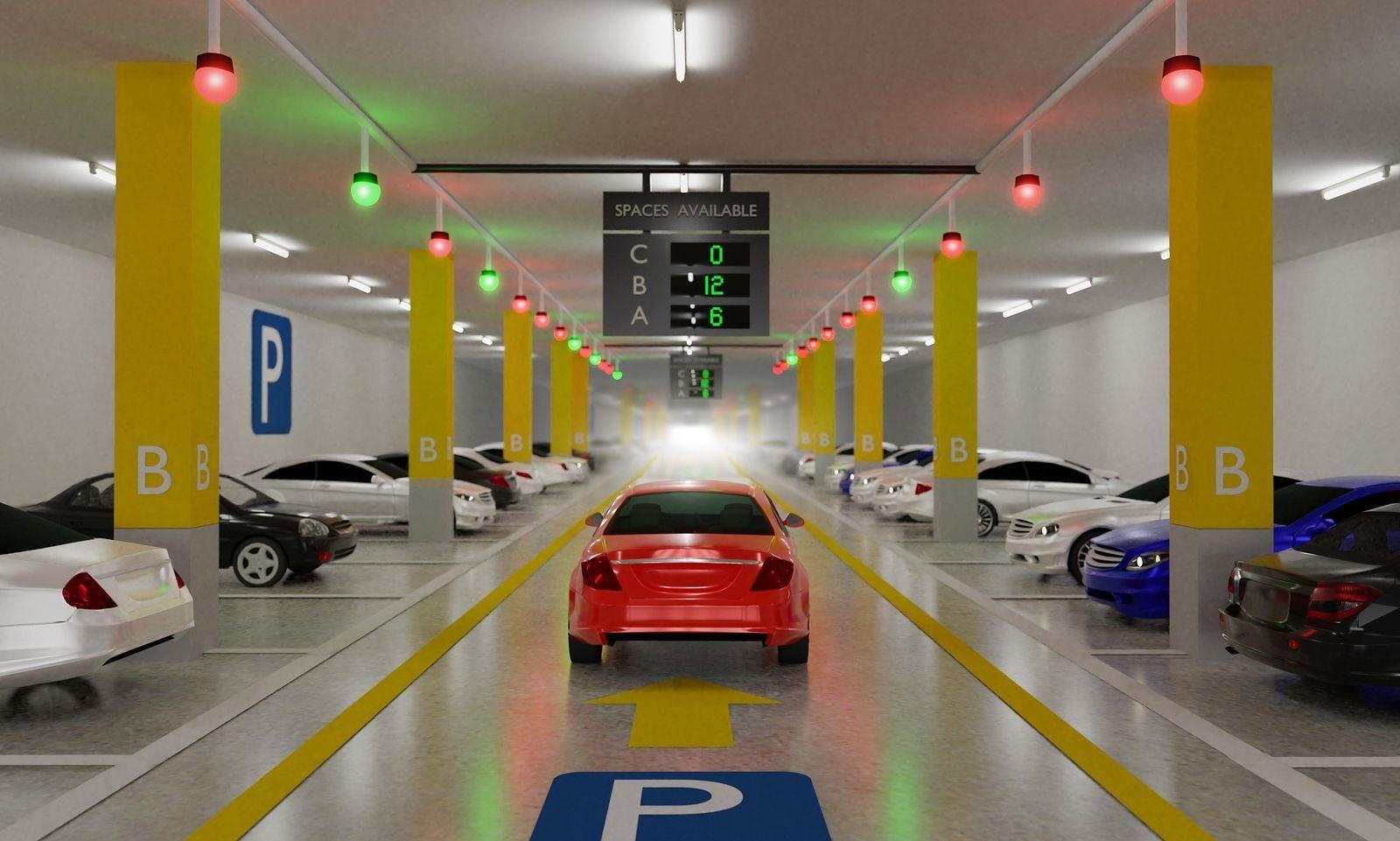
Effective parking management is about much more than moving vehicles in and out of a parking area. It requires careful coordination, clear communication, trained employees and well-organized procedures. Parking managers must ensure that customers experience quick and convenient service while protecting vehicles, pedestrians and staff. At the same time, they need to maintain a professional approach that makes every visitor feel welcome.
Balancing speed, safety and customer service can be challenging, particularly at busy hotels, shopping centres, commercial properties and event venues. When one priority receives too much attention, the others can suffer. For example, rushing vehicle handovers may increase the risk of accidents, while excessive checks can create long queues. The most successful parking operations understand how to manage all three priorities together.
Understanding the Three Priorities of Parking Management
Speed, safety and customer service are closely connected. A well-managed parking operation should not treat them as separate objectives.
Speed refers to how efficiently vehicles enter, move through and leave a parking facility. Customers expect a smooth arrival and a reasonable waiting time when collecting their vehicles. Delays can create frustration, especially during peak business hours.
Safety involves protecting vehicles, pedestrians, employees and property. Parking managers must establish procedures that reduce the likelihood of collisions, vehicle damage, misplaced keys and unauthorized access.
Customer service focuses on the experience visitors receive throughout the parking process. Professional greetings, clear instructions, courteous communication and dependable vehicle handling all contribute to customer confidence.
A strong management system brings these priorities together through consistent standards and practical procedures.
Develop Clear Procedures for Daily Operations
One of the most effective ways to improve parking performance is to establish clear operating procedures. Employees should understand their responsibilities, know how vehicles must be handled and follow consistent steps during every shift.
Managers should create procedures for vehicle reception, parking allocation, key storage, vehicle retrieval and customer complaints. These instructions should be simple enough for employees to follow during busy periods without unnecessary confusion.
For example, attendants should know where to direct incoming vehicles, how to record vehicle condition and where to store keys securely. Retrieval procedures should also identify who is responsible for locating vehicles and confirming the correct handover.
Clear responsibilities prevent employees from duplicating tasks or waiting for instructions. They also reduce mistakes and help managers identify problems quickly.
Train Employees to Work Quickly Without Rushing
Employee training has a direct influence on operational speed and safety. Attendants who understand their responsibilities can complete tasks confidently, communicate effectively and respond appropriately to unexpected situations.
Training should cover safe driving practices, vehicle inspection, customer interaction, key management, pedestrian awareness and emergency procedures. Employees should also receive guidance on handling different vehicle types, including larger vehicles and those with unfamiliar controls.
Importantly, managers should explain the difference between working efficiently and rushing. Efficiency means following the correct process with minimal wasted time. Rushing means skipping essential steps to complete a task faster.
Regular practical training sessions can help employees maintain consistent standards. Managers should observe performance, provide constructive feedback and arrange refresher training whenever procedures change.
Use Technology to Improve Parking Efficiency
Technology can help parking managers coordinate operations and reduce unnecessary delays. Digital vehicle records, electronic key tracking, parking management software and communication systems make it easier to monitor daily activity.
For example, a digital check-in system can record vehicle details, arrival times and parking assignments. This reduces dependence on handwritten records and makes information easier to retrieve.
Electronic key management systems can also improve accountability by recording when keys are stored, accessed and returned. This is particularly useful when several employees handle vehicles during busy shifts.
At large venues, communication devices allow supervisors and attendants to coordinate vehicle movements without repeatedly leaving their assigned positions. However, technology should support trained employees rather than replace proper supervision and safety procedures.
Make Safety a Non-Negotiable Priority
Parking areas involve constant movement, limited visibility and interaction between vehicles and pedestrians. Even a small mistake can result in property damage or personal injury.
Managers should establish clearly marked driving lanes, pedestrian walkways, speed limits and designated vehicle stopping points. Adequate lighting and visible signs are also important, particularly in underground parking areas and during evening operations.
Vehicle inspections should be completed according to the organization's procedures. Recording existing scratches, dents or other visible damage can help prevent misunderstandings during vehicle collection.
Managers should also review incidents and near misses to identify recurring risks. If a particular entrance regularly becomes congested, for instance, the team may need revised traffic arrangements or additional staff.
Safety standards must remain consistent even during peak periods. A faster service is not successful if it increases the likelihood of accidents or vehicle damage.
Improve Communication Throughout the Customer Journey
Good customer service begins before a vehicle is parked. Customers should receive clear instructions about where to stop, how to hand over their keys and where to collect their vehicles.
Attendants should greet visitors politely, listen carefully and avoid giving unclear information. If a delay occurs, customers should be informed rather than left waiting without an explanation.
For event venues, communication becomes particularly important because many visitors may arrive within a short period. Professional teams providing Valet Parking for Events in Dubai need coordinated arrival instructions, organized vehicle queues and clear communication between entrance attendants and parking supervisors.
Managers should also establish a process for handling special requests, complaints and accessibility requirements. A calm, respectful response can often resolve a problem before it becomes a larger customer-service issue.
Plan Staffing Around Demand
Staffing levels have a significant impact on service quality. Too few employees can create long queues, increase pressure on attendants and make supervision difficult. Too many employees without defined responsibilities can lead to confusion and unnecessary operating costs.
Parking managers should study arrival patterns, customer volumes and peak operating periods. Hotels may experience concentrated arrivals during check-in hours, while restaurants and shopping centres often become busier during evenings and weekends.
Event venues require additional planning because arrival and departure times may be concentrated around scheduled activities.
Managers can assign employees to specific responsibilities, such as receiving vehicles, managing traffic flow, parking vehicles and coordinating retrievals. Supervisors should monitor workload and adjust assignments when conditions change.
This approach helps maintain service speed without compromising safety or employee performance.
Measure Performance Using Practical Indicators
Parking managers need reliable ways to understand whether their operations are meeting expectations. Measuring performance helps identify weaknesses and determine whether improvements are working.
Useful performance indicators include:
-
Average vehicle drop-off and retrieval times.
-
Customer complaints and satisfaction feedback.
-
Vehicle damage incidents and safety reports.
-
Key management and vehicle-record accuracy.
-
Employee attendance, training and procedural compliance.
-
Queue length and congestion during peak periods.
These measurements should be reviewed regularly rather than used only when problems occur. Managers should investigate the reasons behind poor results and focus on improvements that address the underlying cause.
For example, long retrieval times may result from poor vehicle organization rather than insufficient staffing. Understanding the cause leads to a more effective solution.
Maintain Consistent Standards During Busy Events
Large gatherings place additional pressure on parking teams. Sudden increases in vehicle arrivals, limited entrance space and simultaneous departure requests can make operations difficult to manage.
Managers should prepare an event-specific parking plan that identifies vehicle entry and exit routes, staff positions, pedestrian areas and emergency access points. They should also arrange clear communication between event organizers, security personnel and parking supervisors.
Teams delivering Valet Parking for Events in Sharjah can benefit from advance coordination, clearly assigned responsibilities and a structured vehicle retrieval process. These preparations help reduce confusion and support a more organized experience for guests.
After each event, managers should review operational performance and record lessons that can improve future arrangements.
Conclusion
Balancing speed, safety and customer service requires planning, employee training, effective communication and consistent supervision. Parking managers must create procedures that allow employees to work efficiently without skipping essential safety checks or overlooking customer needs.
Technology, appropriate staffing and regular performance reviews can further strengthen daily operations. Most importantly, managers should recognize that speed alone does not define successful parking management. The best results come from providing a dependable, secure and welcoming experience at every stage of the customer's visit.
By treating efficiency, safety and service quality as equally important responsibilities, parking managers can build operations that earn customer trust, protect vehicles and support the long-term success of the businesses and venues they serve.

 English
 Arabic
 French
 Portuguese
 Deutsch
 Turkish
 Dutch
 Italiano
 Russian
 Romaian
 Portuguese (Brazil)
 Greek