


The Push That Won—Until I Ran Out of Elixir
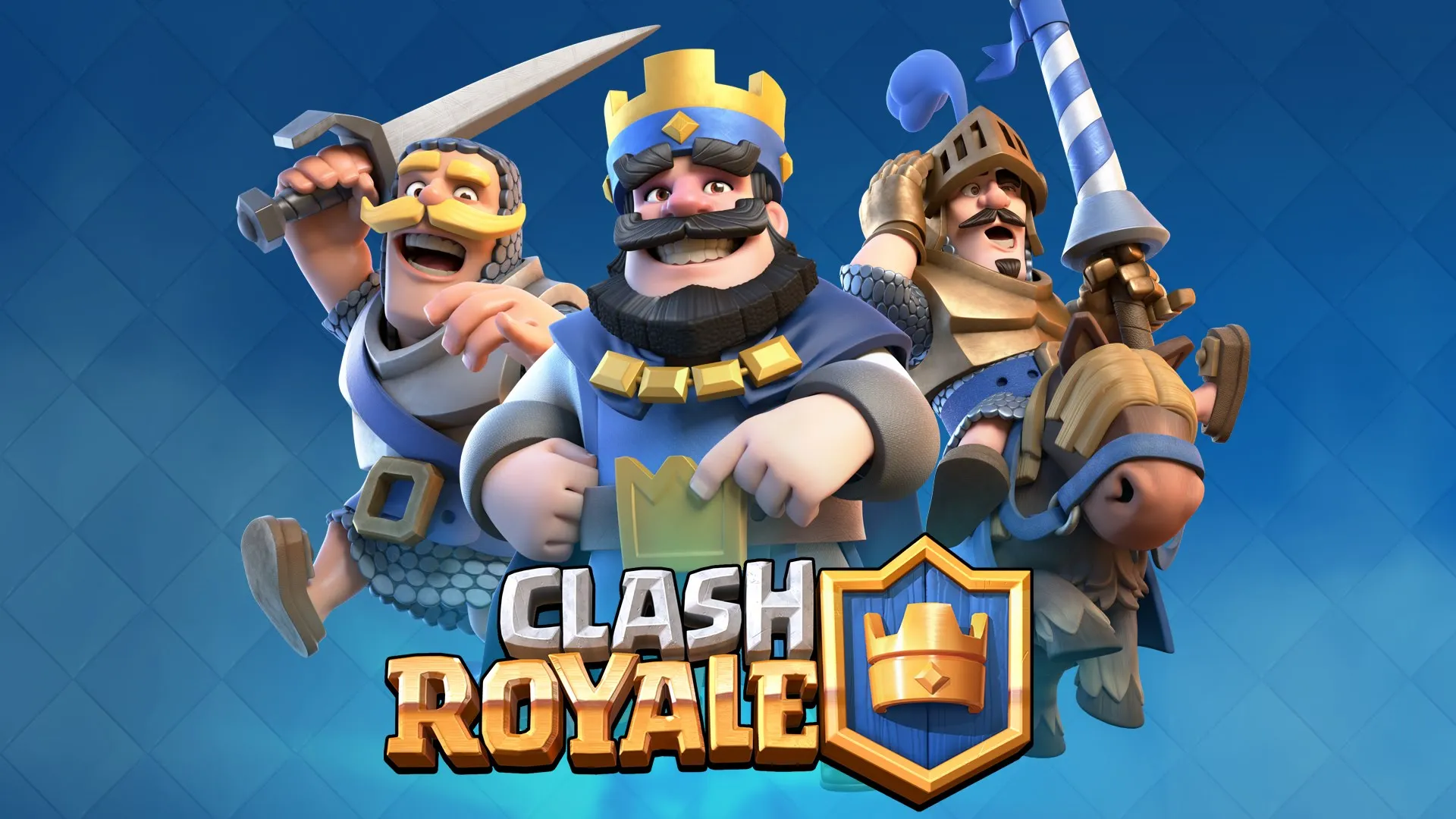
I once had an opponent’s tower nearly down and a hand full of cards. So I launched everything at once, expecting a dramatic finish. The attack fizzled, my Elixir ran dry, and the counterpush arrived before I could defend. That little reversal taught me the main lesson of Clash Royale : a promising attack isn’t a win if you can’t afford what comes next.
What Is Clash Royale Online Game?
Clash Royale is a strategy game built around quick, tower-based battles. You use a deck of cards to deploy troops, spells, and buildings, aiming to destroy enemy towers while protecting your own. The clock keeps things moving, but the match is rarely about who can play cards fastest. It’s about making better decisions with the resources and cards available.
The online game experience is easy to grasp once you see a few cards in action. The deeper challenge comes from learning what each card can do and how your opponent might respond.
How to Play Clash Royale
To learn how to play Clash Royale, start by watching the battlefield before placing a card. You spend Elixir to deploy cards, and it replenishes over time. Each play can help you attack, defend, or set up a combination. Your goal is to damage the opposing towers while stopping enemy troops from reaching yours.
Timing matters because troops take time to move and interact. A card dropped too late may not stop an attack; one played too early may leave you short of Elixir. I try to think one move beyond the card I’m about to play: if my opponent counters it, will I still have a sensible defense?
Understanding Cards, Elixir, and Battle Strategy
Cards have different roles, strengths, and weaknesses. Some are better suited to taking hits, others deal damage, and spells can affect groups or change a skirmish. Buildings offer another way to influence where opposing troops go. A useful deck gives you more than one answer to trouble.
Elixir management is the quiet part of Clash Royale strategy. Spending a lot on one push can be worthwhile, but if it fails, your opponent may have an opening while you’re low on resources. I’ve found it safer to defend efficiently, then use surviving troops to support a counterattack. That turns defense into pressure without paying for an entire push from scratch.
Practical Tips for Beginners
Start by learning a few card interactions rather than trying to memorize every possible matchup. Notice which cards stop your opponent’s most common threats and which ones get easily countered. After a lost exchange, ask what you could change next time.
Keep your deck balanced. If every card is aimed at attacking, you may struggle when an opponent presses your towers. If your hand is mostly defensive, it can be hard to create pressure. Try to include cards that complement one another and leave you options in different situations.
A few useful Clash Royale tips: don’t spend Elixir just because it’s available; avoid stacking vulnerable troops together when an opponent could answer them at once; and wait for a real opening before committing to a big attack. A small, well-timed play can be more effective than a dramatic pile of cards.
Common Mistakes and Lessons Learned
The classic beginner mistake is treating every tower hit as an emergency. I’ve watched a tower take damage and responded by throwing down whatever was in my hand—only to discover I’d spent too much and still hadn’t stopped the threat. Pause, check what’s attacking, and use a suitable response instead of panic-playing.
Another trap is repeating the same push after it gets countered. If your opponent has shown they can stop it, change the timing, support it differently, or defend and wait. A loss can be useful when it reveals a habit you can fix.
Why Clash Royale Is Worth Playing
Clash Royale is satisfying because a small decision can flip a match. You might hold back, spot an opponent’s pattern, and turn a defense into an attack—or overcommit and learn, abruptly, that towers don’t defend themselves.
Be patient with your Elixir, learn your cards, and experiment with combinations. The best beginner strategy isn’t to play more cards. It’s to make each one count.

 English
 Arabic
 French
 Spanish
 Portuguese
 Deutsch
 Turkish
 Dutch
 Italiano
 Russian
 Romaian
 Portuguese (Brazil)