


Suture Removal at Home: A Convenient Choice for Postoperative Patients
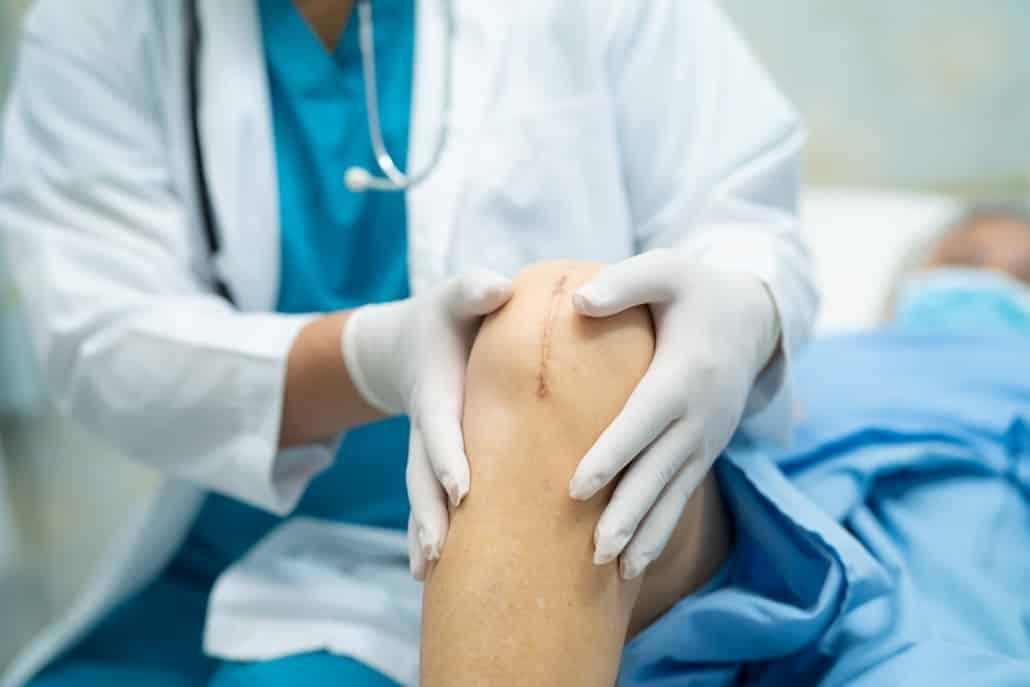
Recovering after surgery requires proper wound care, regular monitoring, and attention to medical instructions. Although the procedure itself may be complete, postoperative care remains an important part of the healing process. One essential step during recovery is removing surgical stitches at the appropriate time. For patients who find travelling difficult or prefer receiving medical assistance in familiar surroundings, Suture Removal at Home in Dubai can be a convenient option when provided by a qualified healthcare professional.
After surgery, patients may experience tenderness, limited mobility, swelling, or discomfort around the treated area. Travelling to a medical facility for a short follow-up appointment can sometimes feel challenging, particularly for older adults and individuals recovering from major procedures. Home-based medical visits offer an alternative by allowing trained professionals to assess the wound and remove stitches when healing is sufficient.
However, stitch removal is not simply a matter of cutting and pulling sutures. Healthcare professionals must examine the incision, check for signs of infection, and determine whether the wound edges have closed properly. Removing stitches too early can cause the wound to reopen, while leaving them in place for too long may increase irritation or leave visible stitch marks.
Dubai offers several healthcare providers with different approaches to postoperative support and home healthcare services. Understanding their services, professional standards, and consultation processes can help patients make informed decisions about their recovery. Choosing an appropriate provider ensures that convenience remains balanced with proper medical supervision and wound safety.
Healthcare Providers to Consider for Postoperative Support
Dynamic Life Clinic
Dynamic Life Clinic is one of the healthcare providers patients may consider when exploring medical and aesthetic healthcare services in Dubai. Its presence in the local healthcare sector makes it relevant for individuals researching professional support for different treatment and recovery needs.
Postoperative wound management requires careful attention to the condition of the incision. Before removing stitches, a healthcare professional should examine the surrounding skin, assess healing progress, and identify any unusual changes. These checks help determine whether the wound is ready for suture removal.
Patients interested in home-based medical assistance should confirm whether Dynamic Life Clinic currently offers home visits for stitch removal. They should also ask about the qualifications of the visiting professional, appointment arrangements, and follow-up recommendations.
Tajmeels Clinic
Tajmeels Clinic is another name patients may explore when researching healthcare and aesthetic treatment options in Dubai. For individuals recovering from cosmetic procedures, understanding the available postoperative support is particularly important.
Surgical incisions can require different healing periods depending on their location, depth, and the type of procedure performed. Facial sutures, for example, may have a different removal schedule from stitches used on the abdomen or other areas of the body.
Patients considering Tajmeels Clinic should enquire about its postoperative care arrangements and whether professional home visits are available. A suitable consultation should explain the expected healing timeline, wound assessment process, and precautions to follow after stitch removal.
Enfield Royal Clinic
Enfield Royal Clinic is an established name in Dubai's cosmetic and aesthetic healthcare sector. Patients researching postoperative care can consider the clinic when exploring professional guidance for recovery following surgical and aesthetic procedures.
Proper wound assessment is essential before removing any surgical stitches. The healthcare professional should evaluate whether the incision has healed sufficiently, check for redness or discharge, and identify any signs that may require further medical attention.
For patients seeking Suture Removal at Home, confirming the availability of home-based appointments and the qualifications of the healthcare professional is an important part of the process. Patients should also receive clear instructions about cleaning the area, protecting the healing skin, and recognising possible complications.
Enfield Royal Clinic can be considered by individuals looking for professional guidance within the aesthetic healthcare environment. Before arranging an appointment, patients should directly confirm the availability, scope, and arrangements of its postoperative home-care services.
Understanding the Importance of Professional Stitch Removal
Sutures help hold surgical wound edges together while the body repairs damaged tissue. Once sufficient healing has occurred, they can be removed according to the healthcare professional's assessment.
The correct removal time varies depending on the surgical site and individual healing progress. Stitches on the face may be removed earlier than those on areas exposed to greater movement or tension. The surgeon's instructions should always take priority over general timelines.
Professional stitch removal generally involves examining the incision, cleaning the surrounding area when appropriate, and carefully cutting and removing each stitch using suitable medical instruments. The professional then checks the wound to ensure that its edges remain closed.
If the incision has not healed adequately, removal may need to be delayed. In some situations, additional wound support, such as adhesive strips, may be recommended.
How to Choose the Right Clinic for Suture Removal at Home
Selecting an appropriate healthcare provider involves more than comparing appointment convenience. Patients should consider several important factors before arranging postoperative assistance.
Experience and Qualifications
The healthcare professional performing stitch removal should have suitable clinical training and experience in wound management. Knowledge of different suture types and surgical incision sites helps ensure that the procedure is performed appropriately.
Patients can ask about the professional's qualifications and experience with postoperative wound care before confirming an appointment.
Medical Techniques and Equipment
Proper medical instruments and appropriate wound-cleaning materials are essential for safe suture removal. Healthcare professionals should follow suitable infection-control procedures and use sterile or appropriately prepared instruments.
They should also know how to manage situations where a stitch is difficult to remove or the wound shows signs of incomplete healing.
Safety and Hygiene Standards
Infection prevention should remain a priority during every home healthcare visit. The professional should follow hand hygiene procedures, use appropriate protective equipment, and handle medical waste safely.
The wound should be assessed before and after the procedure. If there are signs of infection, such as increasing redness, warmth, pus, or worsening pain, medical evaluation may be necessary instead of routine stitch removal.
Consultation and Assessment Process
A reliable consultation should consider the patient's surgical history, date of operation, wound location, and any concerns experienced during recovery.
Patients should be able to explain their symptoms and receive clear information about whether an in-person assessment or home appointment is appropriate.
Patient Experience and Communication
Good communication makes postoperative care easier to understand. Healthcare professionals should explain the removal process, answer questions, and provide practical instructions for looking after the wound afterwards.
Patients should also know whom to contact if they notice unusual changes following the appointment.
Expected Healing and Follow-Up
Suture removal does not mean that the wound has completely recovered. The skin may still be delicate and require protection while the deeper tissues continue healing.
A healthcare professional should explain how long to keep the area clean, when normal activities can resume, and whether additional follow-up is needed.
What Happens During a Home Suture Removal Appointment?
A home appointment generally begins with a review of the patient's medical history and surgical details. The healthcare professional checks when the procedure was performed and whether the surgeon has recommended stitch removal.
The incision is then examined for proper closure, redness, swelling, discharge, and other changes. If healing appears satisfactory, the professional uses suitable instruments to remove the stitches carefully.
After removal, the area is checked again to make sure the wound edges remain together. Depending on the incision, adhesive strips or a suitable dressing may be recommended.
Patients should avoid pulling at the healing skin, rubbing the incision, or applying unapproved products. Following the instructions provided by the treating healthcare professional supports continued recovery.
Frequently Asked Questions
Is Suture Removal at Home safe for postoperative patients?
It can be a suitable option when performed by a qualified healthcare professional after confirming that the wound has healed sufficiently. The incision must be examined before removal to reduce the risk of reopening or complications.
How long after surgery should stitches be removed?
The timing depends on the surgical location, wound condition, and type of sutures used. Facial stitches may be removed within approximately three to five days, while other areas may require seven to fourteen days or longer. The treating surgeon should determine the appropriate schedule.
Does stitch removal cause pain?
Most patients experience only mild discomfort, although some may feel a brief pulling or pinching sensation. Pain levels depend on the wound location, skin sensitivity, and condition of the stitches.
What should I do if my wound opens after stitch removal?
If the wound edges separate, protect the area with a clean dressing and seek prompt medical assessment. Avoid trying to close the incision yourself. Heavy bleeding, significant separation, or signs of infection require urgent medical attention.
Can I shower after having my stitches removed?
In many cases, patients can shower after removal, but the timing depends on the wound and the instructions provided by their healthcare professional. Avoid scrubbing the area and gently pat it dry. Swimming and soaking should generally be avoided until the wound has adequately healed.
Conclusion
Postoperative recovery requires patience, proper wound monitoring, and professional guidance at every important stage. Choosing a suitable healthcare provider helps patients receive appropriate support while reducing unnecessary travel during recovery. Whether considering Dynamic Life Clinic, Tajmeels Clinic, or Enfield Royal Clinic, patients should verify the availability of home visits, professional qualifications, and wound-care procedures before making an appointment.
For individuals with limited mobility or demanding recovery schedules, Suture Removal at Home can offer additional convenience without compromising the importance of medical supervision. The best approach is to follow the surgeon's recommended removal timeline, ensure that the incision is ready, and continue protecting the healing area after the stitches have been removed.

 Arabic
 French
 Spanish
 Portuguese
 Deutsch
 Turkish
 Dutch
 Italiano
 Russian
 Romaian
 Portuguese (Brazil)
 Greek