


Choosing Surgical Instruments for Hospital Procurement
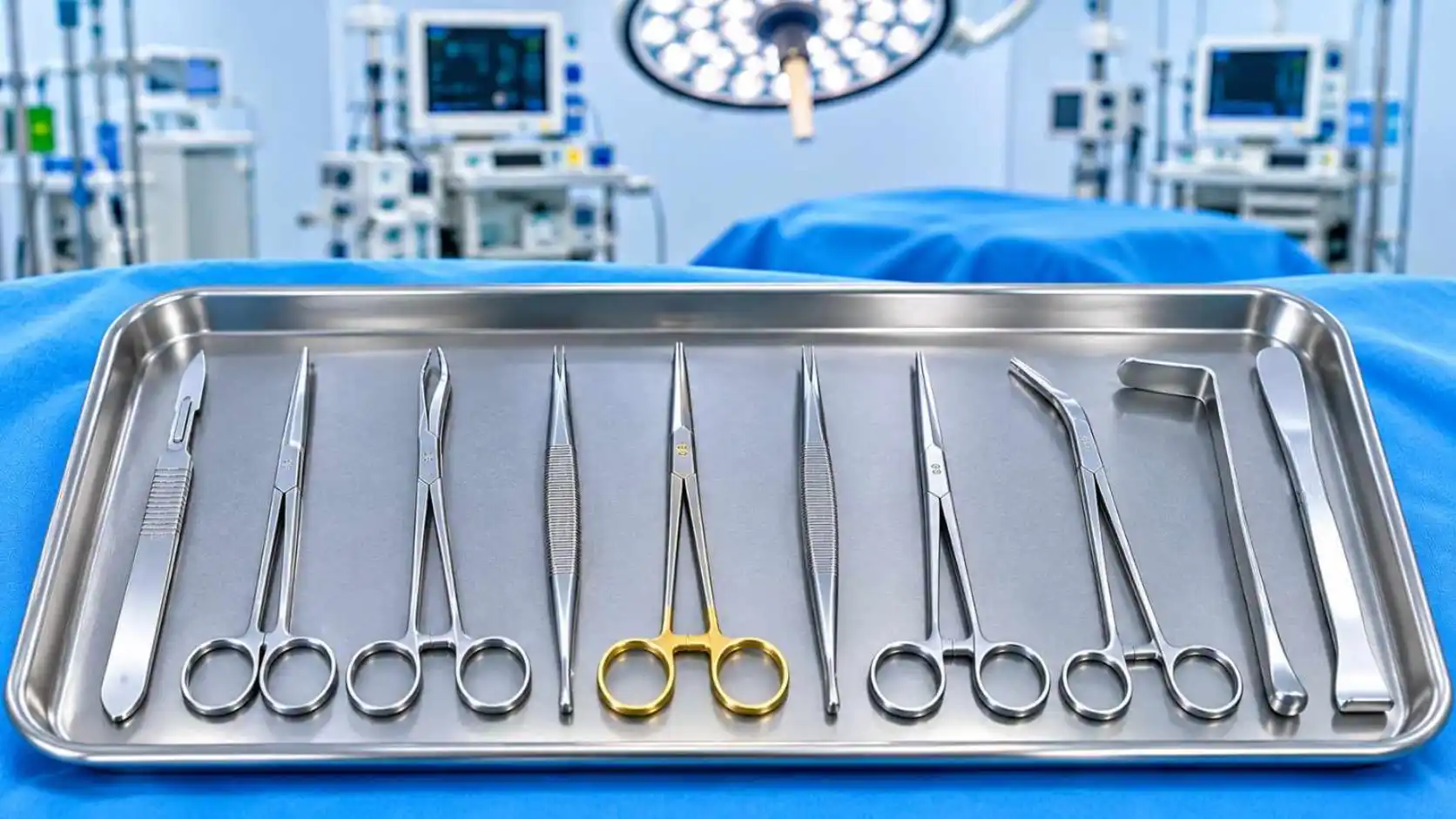
Selecting surgical instruments for a hospital is more than comparing prices or browsing product catalogues. Every instrument must match its intended application, offer dependable functionality and meet the facility's requirements for cleaning, sterilization, storage and repeated use. A well-planned purchasing process helps hospitals maintain suitable instrument inventories while avoiding unnecessary replacement costs.
For procurement teams, understanding what to evaluate before selecting surgical instruments can make supplier discussions more productive and purchasing decisions more practical.
Start With Clinical and Departmental Requirements
Before contacting manufacturers, hospitals should identify the requirements of their surgical departments. General surgery, orthopaedics, ENT, gynaecology, ophthalmology and other specialties use different instrument types and configurations.
A hospital should consider the procedures performed regularly, the instruments required for each procedure and the number of sets needed to support its workload. This helps prevent two common purchasing problems: ordering instruments that remain unused and maintaining insufficient stock for frequently performed procedures.
It is also useful to consult the relevant clinical and sterilization teams before finalising specifications. Their feedback can help procurement professionals understand practical requirements such as instrument dimensions, handle design, tip configuration and compatibility with existing trays.
Evaluate Material Quality and Manufacturing Precision
Material selection is an important part of instrument evaluation. Surgical instruments are commonly manufactured using stainless steel, but the appropriate grade and construction depend on the instrument's intended application.
Procurement teams should review material specifications, surface finishing, joint movement, alignment and overall construction. Cutting instruments should have suitable edges, while grasping and clamping instruments should offer appropriate handling and controlled functionality.
Reliable surgical instruments manufacturers should be able to explain their material selection, manufacturing processes and inspection procedures. Buyers can also request product specifications and samples where appropriate to assess whether the instruments meet their requirements.
Check Product Range and Instrument Availability
Hospitals often require instruments from several surgical specialties. Working with a manufacturer that offers a broad product range can simplify communication, catalogue review and repeat procurement.
However, product availability should not be judged only by the number of items shown in a catalogue. Buyers should confirm the availability of required models, sizes, variations and procedure-specific sets. They should also clarify whether the manufacturer can support repeat orders with consistent specifications.
For example, a hospital may need general surgery instruments alongside specialised requirements for cardiac, vascular, orthopaedic or neurology departments. Reviewing these requirements together can help create a more organised purchasing plan.
Buyers looking for specialty-specific options can also explore Surgifact's surgical instruments range to review the available categories.
Compare Suppliers Beyond the Quoted Price
Price is an important purchasing consideration, but it should not be the only deciding factor. A lower quotation may not offer the same product specifications, finishing, documentation or supply support as another option.
When evaluating a surgical instruments supplier, hospitals should compare product quality, quotation details, order quantities, delivery timelines, packaging and communication. Buyers should also clarify the process for handling damaged products, incorrect items or discrepancies between the order and delivered goods.
A dependable supplier should provide clear product information and respond to technical and commercial questions without making unsupported claims.
Understand the Role of Dealers and Wholesalers
Not every healthcare facility purchases directly from a manufacturer. Smaller hospitals, clinics and medical retailers may source products through distribution networks.
Surgical Instruments Dealers can help buyers access products locally, coordinate orders and communicate with manufacturers. Similarly, a Surgical Instruments Wholeseller may support bulk purchasing requirements for distributors and medical supply businesses.
Before finalising a distribution partner, buyers should check product authenticity, stock availability, pricing terms and the availability of relevant product information. It is also useful to understand how the dealer or wholesaler manages repeat orders and product-related queries.
For businesses sourcing products across different regions, comparing surgical instruments dealers in India can help identify distribution partners that match their purchasing and delivery requirements.
Review Packaging, Documentation and Reprocessing Requirements
Packaging and documentation deserve attention during procurement because instruments must be handled appropriately after delivery. Buyers should check that products are protected during transportation and that the packaging suits the intended storage and handling process.
For reusable instruments, hospitals must follow the manufacturer's instructions for cleaning, disinfection, inspection, sterilization and storage. Instruments should not be assumed to be compatible with every reprocessing method simply because they are made from stainless steel.
Procurement teams should request relevant instructions and product information before acceptance. Clear documentation can also help staff identify instruments and maintain consistent inventory records.
Build a Long-Term Manufacturer Relationship
A purchasing decision should consider future requirements, not just the immediate order. Hospitals may need replacement instruments, additional sets or products for newly introduced procedures.
Choosing surgical instruments manufacturers in India with a suitable product range and clear communication can support more organised procurement over time. Buyers should evaluate the manufacturer's ability to understand specifications, provide product details and maintain consistency across repeat orders.
Surgifact, the brand associated with Vaishanav Surgical Co., offers instruments across multiple surgical categories. Hospitals, clinics and distributors can learn more about the company through its surgical instruments manufacturer profile.
Make Procurement a Quality-Focused Process
Effective surgical instrument procurement involves several connected decisions, including clinical suitability, material quality, manufacturing precision, supplier reliability, packaging and long-term availability. Evaluating these factors together helps buyers make informed purchasing choices rather than relying on price alone.
Whether a hospital purchases directly from manufacturers or works with suppliers, dealers and wholesalers, clear specifications and careful product evaluation remain essential. A structured approach can support better inventory planning and more dependable sourcing for different surgical departments.

 English
 Arabic
 French
 Spanish
 Portuguese
 Deutsch
 Turkish
 Italiano
 Russian
 Romaian
 Portuguese (Brazil)
 Greek