


How to Control SWR Pipe Waste on Construction Sites
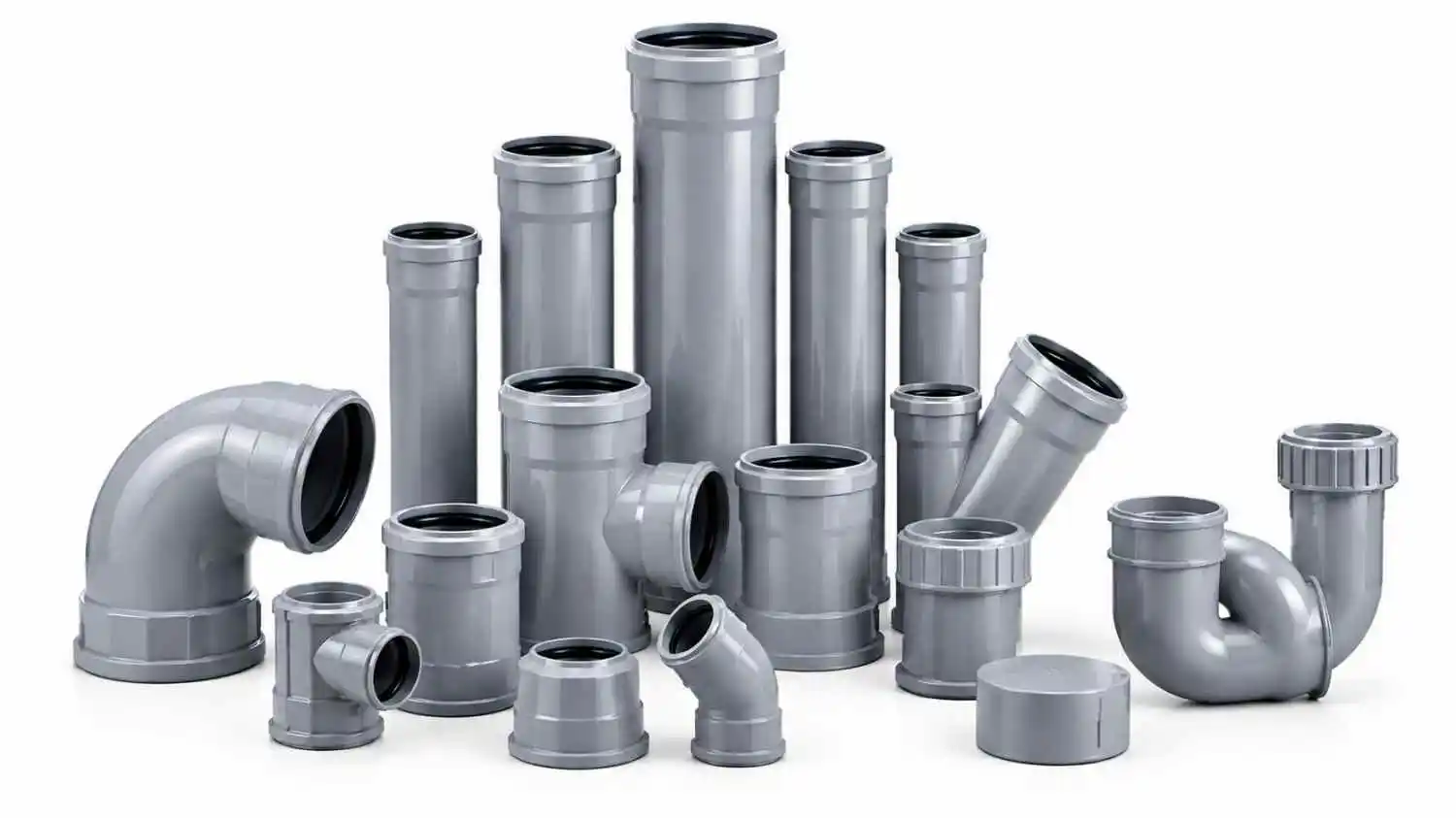
Drainage projects lose time and money when quantities are estimated poorly, fittings are missed or products are damaged. These problems often begin with inaccurate measurements, unplanned cutting and design changes. Planning SWR Pipes should connect the drainage layout with purchasing, storage and installation.
Begin With Accurate Drainage Measurements
Before preparing a purchase list, review approved plumbing drawings with the site supervisor. Identify soil lines, waste lines, rainwater routes, vertical stacks, branches and discharge points. Measure each route instead of estimating from floor area. Record offsets, direction changes and connection points because they affect pipe lengths and fitting requirements.
A useful measurement sheet should show the route reference, measured length, pipe size and the drawing revision used. This makes the estimate easier to check when the site team changes a route or requests additional material. Keep the measurement sheet with the purchase order so the buyer can explain how quantities were calculated. If a drawing is revised, mark the previous schedule as superseded and circulate the updated version to purchasing, stores and installation staff.
Prepare a Cutting and Fitting Schedule
A cutting plan helps installers use pipe lengths sensibly. List required cut lengths and group similar measurements. Follow the approved design and manufacturer's instructions; never create unsuitable joints just to use leftovers.
Count fittings separately. Bends, elbows, tees, reducers and couplings each serve a particular connection. Match every item to the drawing and confirm its dimensions and joint arrangement. A complete schedule reduces emergency purchases and prevents improvisation.
Before work begins, brief installers on the approved cutting plan and the method for recording unused sections. Ask them to report repeated measurement differences rather than quietly adjusting lengths on site. Small corrections recorded early can prevent the same estimating error from appearing across several floors or buildings.
Check Compatibility Before Ordering
When comparing an SWR Pipe Manufacturer, provide pipe sizes, fitting list, application and approved specifications. Request product details to check compatibility. Similar-looking components are not automatically interchangeable.
Use clear purchase-order descriptions, not phrases such as “standard drainage material.” Mention dimensions, product type, quantities, fitting descriptions, delivery location and agreed terms. Attach the current schedule and identify accessories excluded from the quotation.
Protect Material During Storage and Handling
Wastage can occur after delivery. Dragging pipes over rough ground, careless stacking and misplaced fittings can cause damage. Set aside a storage area that does not obstruct construction. Follow the manufacturer's instructions for stacking, handling and protection.
Keep fittings in labelled containers and organise pipes by size or work area. Separate damaged items. Record material issued to each work zone and who received it. This helps trace shortages and identify where damage occurred.
Match Deliveries to Construction Progress
Ordering everything at once can create storage pressure, while late orders interrupt installation. Where possible, phased deliveries can match the construction programme. Divide requirements into vertical stacks, floor branches and final connections. Confirm materials needed before each stage begins.
When evaluating SWR Pipes Suppliers, compare specifications, quantities, packing, delivery terms and communication about shortages. Confirm availability and delivery timing in writing. Buyers comparing SWR Pipe Manufacturers in India should review product information and supply arrangements.
For larger orders, ask whether deliveries can be split by work area. Agree how substitutions will be handled before dispatch. These checks help the site team identify and allocate materials. Keep dispatch documents with site records.
Review Material Use After Each Stage
After each installation stage, compare quantities issued, installed, returned and damaged. Record differences caused by measurement errors, design revisions, cutting loss, handling damage or missing fittings. Review the figures before the next order.
If repeated offcuts come from one route, review measurements and cutting sequence. If fittings remain unused, compare the schedule with the installed layout. If products are damaged, review storage and movement. Use these findings to improve future estimates.
Send Suppliers a Clear Enquiry
A useful enquiry includes the application, sizes, estimated quantities, fitting schedule, delivery location and approved specifications. Ask about minimum order quantity, availability, packaging and expected supply timeline. Confirm details before ordering.
Flowtekpipes serves buyers seeking plumbing and drainage products. Contractors, wholesalers and distributors can review the SWR Pipes range against project requirements. Compare product details with the approved specification and retain written confirmation.
Conclusion
Controlling pipe waste involves design, purchasing, stores and installation teams. Accurate measurements, fitting schedules, planned cutting, careful handling and staged delivery can reduce avoidable losses. Reviewing material use also improves future estimates.
Select products against the approved design. Buyers considering SWR Pipes Dealer in India options or SWR Pipes Suppliers in India should compare product details, availability and delivery terms. A clear requirement helps material reach the correct work area on time.
Frequently Asked Questions
How should contractors estimate SWR pipe quantities?
Measure each route from the latest approved plumbing drawings. Include vertical and horizontal runs, offsets, direction changes and connection points.
What commonly causes pipe wastage on site?
Common causes include inaccurate measurements, unplanned cutting, design changes, careless handling, damaged products and incomplete fitting lists.
Can leftover pipe sections be reused?
They may be reused only when their condition, length and connection arrangement suit the approved design and the responsible site professional permits their use.
Why should fittings be included in the material schedule?
Fittings complete the drainage route. Counting bends, elbows, tees, reducers and couplings separately helps prevent shortages and unnecessary purchases.
What should be checked when material arrives?
Compare quantities and product descriptions with the purchase order. Inspect visible condition and report shortages or transit damage promptly.
How can contractors reduce damage during storage?
Use a designated storage area and follow the manufacturer's stacking and handling instructions. Keep fittings organised and separate damaged products from usable stock.
What information should buyers send to a supplier?
Share the application, required sizes, estimated quantities, fitting schedule, delivery location and approved specifications. Ask for confirmation of availability, MOQ and delivery timing.

 English
 French
 Spanish
 Portuguese
 Deutsch
 Turkish
 Dutch
 Italiano
 Russian
 Romaian
 Portuguese (Brazil)
 Greek