


Loewe Bag Authenticity Card and What It Shows
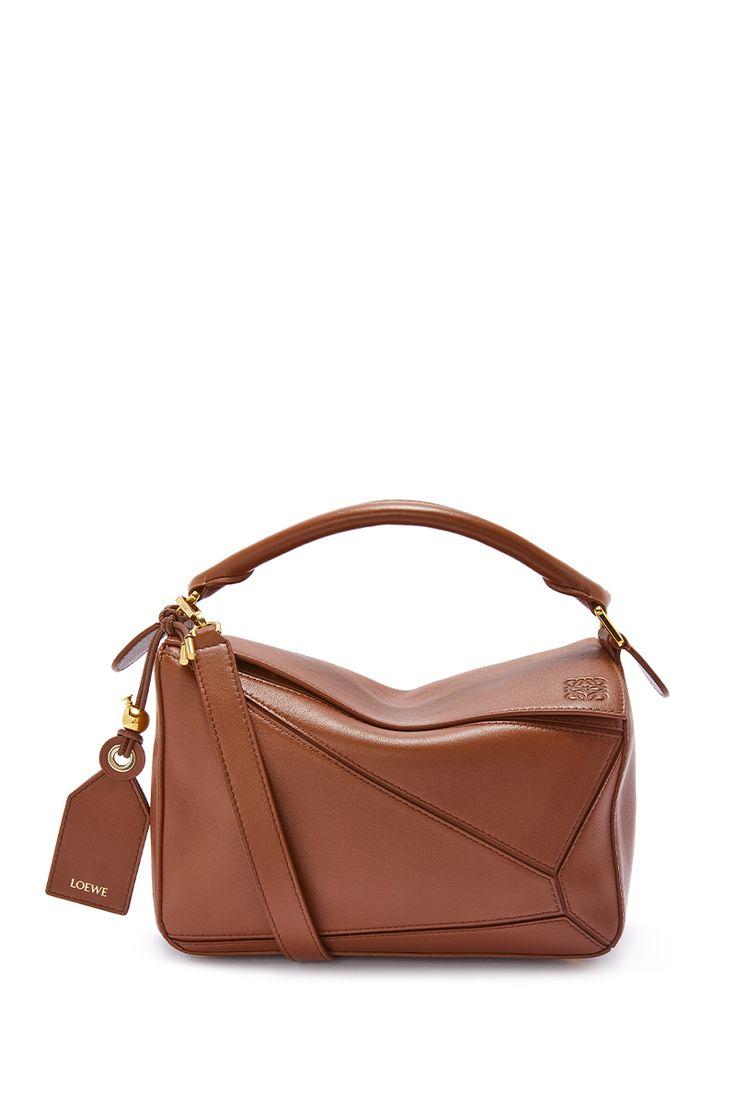
Say you're holding a Loewe bag and a small card slips out of the box or the pocket. It looks official. It has a logo, a few lines of text, maybe a code. You wonder whether it proves anything, or whether it's just paper.That's the question this article tackles. Here's what a Loewe bag authenticity card might show, what it can't prove and how to use it sensibly. Loewe doesn't publish a guide to its cards, and what comes with a bag differs by model and year, so I'll stick to general patterns and say plainly when I'm guessing.
Does Every Bag Come With One?
I can't confirm that. Luxury houses handle this differently. Some include a numbered card, some include a care booklet, and some rely on tags and officialloewe.com stamps inside the bag instead. Loewe has changed its labeling and packaging many times since it began as a Madrid workshop in 1846.So the lack of a card doesn't automatically mean a bag is fake, and the presence of one doesn't mean it's real. Older bags especially may never have come with a card at all. Treat the card as one clue among several.
What a Card Might Show
If a bag does come with a card or a small paper insert, expect the usual basics. The brand name and logo. A reference code that identifies the style. Perhaps a short line about the leather or a note about care. Some cards carry a serial or batch number.Exactly which of these appears on Loewe's paper, I can't say. Loewe doesn't publish a public key for decoding every number, so be careful with anyone online who claims to read a production date from a few digits. Many of those claims are guesses.
The Link to the Inner Tag
Loewe bags usually carry a mark inside, such as a stamped leather patch or a printed label. It often shows the brand name, the home city Madrid, a country of origin line and a reference code. The interlocking four-L logo, drawn by Vicente Vela in 1970, sometimes appears as a pressed mark.A good habit is to compare the card with the tag. If the reference code on the card looks wildly different from the one inside the bag, that's worth a closer look. Matching codes aren't proof, but a mismatch is a reason to slow down.
What a Card Cannot Prove
Here's the catch. Paper is easy to copy. Counterfeiters print cards, boxes and dust bags all the time, and some of them look surprisingly close. A card that looks neat and professional says very little by itself.Cards can also travel. Someone could pair a genuine card with a different bag. So never judge a bag by its paperwork alone. Judge the whole bag: the stitching, the hardware, the leather's feel and smell, the shape, and the way the lining sits.
How to Inspect the Card Itself
Still, a card is worth a careful look. Check the print quality. Letters should be sharp and evenly spaced, with no blurring or uneven gaps. The logo should look crisp. Spelling should be flawless, since one wrong letter is a red flag.Feel the paper too. Cheap, flimsy stock or odd glossiness can be a sign something's off. Compare it with photos of cards from the same era if you can find reliable ones, bearing in mind that formats changed over the years.
Receipts, Boxes and Dust Bags
A card isn't the only paperwork. A receipt or order confirmation from the seller matters more than most people think, because it shows where the bag came from. A genuine seller should be happy to share one, or to describe the bag's history.The dust bag and box can add context too. Loewe bags usually come with a dust bag, and a missing one isn't alarming on its own, since owners lose them. But a bag sold as new with no packaging at all deserves a few extra questions.
What to Do If You're Unsure
If real money is involved, don't rely on a card. Ask a trained authenticator, or the brand itself, to look at the bag. A short professional check is cheaper than a long dispute later.Buy from the brand's own stores, its official online store or retailers the brand names as authorized. For pre-owned bags, ask the seller for clear photos of the tag, the hardware and the stitching, and keep the receipt. A little caution at the start protects you for years.

 English
 French
 Spanish
 Portuguese
 Deutsch
 Turkish
 Dutch
 Italiano
 Russian
 Romaian
 Portuguese (Brazil)
 Greek