


Heavy-Duty Commercial Folding Doors vs. Sliding & Overhead Doors
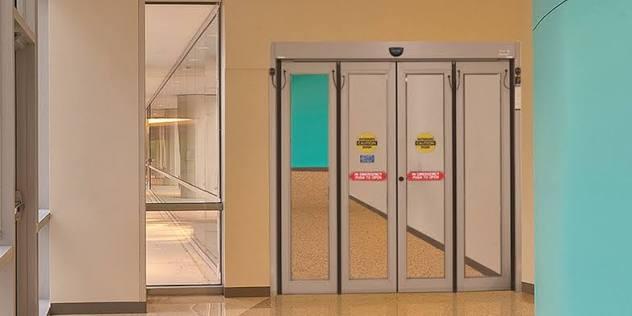
Modern commercial facilities face a constant spatial balancing act. Whether you operate a busy restaurant patio, an automotive showroom, a corporate conference center, or an industrial loading bay, traditional hinged doors waste valuable floor arc space, while standard sliding panels leave half of your structural opening permanently blocked. At the same time, businesses cannot afford to compromise on thermal insulation, weather sealing, security, or architectural curb appeal.
This operational gap explains why Commercial Folding Doors—also known as commercial bi-fold or accordion door systems—have become a staple in contemporary commercial construction and renovation. By stacking multiple hinged panels neatly to one or both sides of an aperture, Commercial Folding Doors clear up to 90% of an opening on demand while sealing tight against heat, wind, and noise when closed.
Kanod Windows
In this comprehensive 2026 guide, we compare Commercial Folding Doors against sliding and overhead systems, break down track mechanics and industry applications, examine realistic pricing factors, and highlight six critical technical specs to check before ordering.
What Are Commercial Folding Doors & How Do They Work?
Unlike sliding doors that bypass each other along parallel tracks—limiting clear access to roughly 50% of the wall width—or overhead sectional doors that require high ceiling clearance and exposed mechanical drums, Commercial Folding Doors operate like an articulated concertina. Individual door leaves are linked by heavy-duty continuous or butt hinges and glide along a precision track system, folding compactly against the jambs to open nearly the entire span.
Kanod Windows
Top-Hung vs. Bottom-Rolling Track Systems
Selecting the right load-bearing engineering is essential for high-traffic facilities:
-
Top-Hung Folding Door Track: The weight of the door panels is suspended from an overhead structural header beam, while a low-profile floor channel acts purely as a guide. Top-hung Commercial Folding Doors deliver effortless fingertip gliding, keep rollers free from floor dirt and debris, and allow a flush ADA-compliant threshold that eliminates trip hazards for customers, wheelchairs, and service carts.
-
Bottom-Rolling Systems: The weight rests on heavy-duty bogie rollers running along a recessed floor track. Bottom-rolling designs are ideal for retrofit projects where the overhead lintel cannot support heavy dead loads without costly steel beam reinforcement.
Manual vs. Automatic Commercial Folding Doors
For moderate-cycle hospitality or office settings, manual commercial bi-fold doors equipped with a lead "traffic door" allow staff to enter and exit using a standard swing leaf without folding back the entire wall. In high-traffic retail entrances, healthcare corridors, or industrial bays, automatic folding doors integrate concealed electric drive operators, infrared presence sensors, and badge/keycard access control for hands-free compliance.
5 Major Business Benefits of Commercial Folding Doors
Upgrading to Commercial Folding Doors delivers measurable operational, financial, and aesthetic advantages across diverse commercial properties:
-
Maximum Space Utilization & Seamless Indoor-Outdoor Flow: Because panels fold flat and stack out of the way, space-saving commercial entryways eliminate wide door-swing dead zones. Restaurants and cafes can merge indoor dining rooms with sidewalk patios in seconds, instantly expanding revenue-generating seating capacity.
Kanod Windows -
Flexible Space Division & Acoustic Control: Inside corporate offices, hotels, and universities, acoustic room divider partitions let facility managers split a large auditorium into private seminar rooms—or fold the panels away to host company-wide events.
-
Abundant Natural Light & Curb Appeal: Expansive commercial glass folding doors with slimline metal frames flood showrooms and retail stores with natural daylight, boosting visual merchandising visibility and reducing daytime artificial lighting loads.
Kanod Windows -
Thermal Efficiency & Weather Sealing: Exterior thermal break glass doors pair polyamide-insulated metal frames with Low-E double glazed panels and multi-chamber compression EPDM gaskets. When closed, they block solar heat gain and cold drafts, keeping HVAC energy bills under control.
-
High-Traffic Durability & Security: Built with reinforced corner cleats, stainless steel hinges, and multi-point commercial locking system hardware, modern Commercial Folding Doors withstand thousands of operating cycles while deterring forced entry.
Types of Commercial Folding Doors by Industry & Material
Not every facility requires the same structural profile. Below is how the four primary categories of Commercial Folding Doors compare across commercial sectors:
|
Door Type / Material |
Best Commercial Application |
Key Advantage |
Estimated Price Range |
|
Aluminium & Glass Bi-Fold Storefront Doors |
Restaurants, cafes, auto showrooms, retail facades |
Slim sightlines, high weather resistance, effortless wide spans |
$850 – $1,600+ per linear foot |
|
Acoustic Interior Folding Partitions |
Corporate boardrooms, banquet halls, schools, co-working |
High STC sound insulation (40–55+ dB) with fast reconfiguration |
$600 – $1,400 per linear foot |
|
Heavy-Duty Steel & Insulated Industrial Doors |
Warehouses, fire stations, aircraft hangars, loading bays |
Extreme impact strength, rapid full-height clearance, zero ceiling obstruction |
$1,200 – $2,800+ per linear foot |
|
Frameless Glass & uPVC Folding Systems |
Indoor shopping mall storefronts, boutique offices |
Minimalist glass aesthetics (frameless) or economical budget partitioning |
$450 – $950 per linear foot |
Aluminium & Glass Bi-Fold Storefront Doors
Global Market Insights
Heavy-duty aluminium bi-fold systems are the undisputed favorite for hospitality, retail, and architectural facades. Extruded architectural aluminium resists rust, corrosion, and warping while supporting tall, heavy insulated glass units with ultra-narrow frame profiles. For businesses planning a storefront upgrade or wide terrace enclosure, exploring bespoke engineering options for Commercial Folding Doors helps align custom panel configurations, powder-coated finishes, and thermal glazing specs with your exact architectural drawings.
Global Market Insights
Acoustic Interior Folding Partitions
When comparing bi-fold vs. sliding commercial doors for interior space management, multi-panel commercial accordion doors and acoustic folding walls stand out because they require no deep wall pockets. Interlocking acoustic seals along the top, bottom, and vertical panel joints block speech transmission between adjacent meeting rooms.
Heavy-Duty Steel & Insulated Industrial Folding Doors
Where overhead coiling doors clash with crane rails, lighting rigs, or fire-sprinkler piping, industrial folding doors fold laterally to clear full vertical headroom. Insulated polyurethane-core steel leaves provide high wind-load resistance and fast opening speeds for emergency depots and logistics hubs.
Frameless Glass & uPVC Commercial Folding Systems
Inside climate-controlled shopping malls where exterior wind loads aren't a factor, storefront folding doors crafted from tempered frameless glass create an unobstructed, luxury display front during business hours.
Commercial Folding Doors Cost in 2026: What to Expect
In 2026, complete supply and installation for Commercial Folding Doors typically ranges from $600 to $1,800+ per linear foot for architectural aluminium-and-glass storefronts, and higher for oversized motorized industrial steel systems. Several core variables drive final project quotations:
-
Panel Count & Span Dimensions: Wider spans require more hinged leaves, heavier overhead structural headers, and higher-load bogie roller assemblies.
-
Framing & Thermal Break Upgrades: Extruded architectural aluminium with polyamide thermal breaks costs roughly 15%–25% more than non-thermal profiles, but delivers rapid HVAC energy payback in hot or cold climates.
-
Glazing Specifications: Upgrading from standard double glazing to solar-control Low-E coatings, argon gas fills, acoustic laminated glass, or hurricane/impact-rated glazing significantly influences material pricing.
-
Sill Drainage & Threshold Engineering: Recessed weather-rated drainage channels for exposed exterior patios require specialized sub-sill flashing during installation.
-
Motorization & Access Control: Adding concealed automation motors, safety sensors, and building-management integration adds to electrical and hardware scope.
While Commercial Folding Doors carry a higher initial investment than basic commercial swing doors or standard sliders, their total lifecycle ROI is compelling: restaurants routinely recover installation costs within a single season through expanded patio seating, while commercial buildings benefit from lower utility bills and decades of low-maintenance service.
6 Technical Specs to Check Before Buying Commercial Folding Doors
Before issuing a purchase order for Commercial Folding Doors, architects and facility buyers should verify six non-negotiable engineering specifications:
-
Wind-Load & Weather-Tightness Ratings: For exterior facades, confirm independent test ratings for air infiltration, water penetration, and structural wind pressure suited to your building height and coastal exposure.
-
ADA-Compliant Flush Thresholds: Ensure exterior tracks include integrated drainage channels paired with low-profile, wheelchair-accessible ramps to eliminate customer trip hazards.
-
Heavy-Duty Rollers & Stainless Steel Hinges: Specify grade 304 or 316 stainless steel hinges and sealed ball-bearing bogie rollers tested to at least 100,000+ operating cycles.
-
Multi-Point Security Locking & Laminated Glass: Exterior Commercial Folding Doors should feature shoot-bolt top and bottom locking rods, anti-lift track blocks, and laminated safety glass that stays intact even if struck.
-
Fire-Rating & Acoustic STC Certifications: For interior partitions, verify certified Sound Transmission Class (STC) ratings and local fire-code compliance.
-
Commercial Warranty Coverage: Insist on written multi-year warranties covering mechanical hardware, powder-coated or anodized finishes, and insulated glass unit seals against fogging.
Frequently Asked Questions (FAQs)
How wide can commercial folding doors span?
Kanod Windows
Custom Commercial Folding Doors can span anywhere from 6 feet (2 panels) to over 50 feet (12 to 16+ panels) in a single opening. Panels can be configured to stack all to one side, split down the center to stack on both sides, or even meet at a 90-degree movable corner post for a completely column-free opening.
Kanod Windows+ 1
Are commercial folding doors secure enough for retail storefronts and warehouses?
Yes. Modern Commercial Folding Doors incorporate concealed heavy-duty hinges that cannot be pried from the outside, top-and-bottom steel shoot-bolt locks on every folding pair, high-security cylinders on the main traffic door, and laminated security glazing.
What is the difference between commercial folding doors and sliding doors?
Kanod Windows
Sliding doors operate on parallel tracks, meaning at least 50% of the doorway remains permanently blocked by stationary or stacked glass panels. Commercial Folding Doors hinge and stack laterally at the edge of the opening, clearing roughly 90% to 95% of the entire aperture for unobstructed foot traffic and indoor-outdoor flow.
Kanod Windows
How much maintenance do commercial folding door tracks and hinges require?
Very little. Facility staff should vacuum dirt or sand out of the bottom guide channel regularly, wipe down aluminium frames and glass with mild non-abrasive cleaner, and apply a dry silicone-based lubricant to hinges and roller bearings once or twice a year.
Final Thoughts
Choosing between Commercial Folding Doors, sliding systems, and overhead doors comes down to how your facility uses space. When maximum clear opening width, natural daylight, flexible room division, and inviting customer flow matter most, Commercial Folding Doors outperform traditional alternatives on both functionality and long-term return on investment. By specifying top-hung thermally broken frames, heavy-duty stainless hardware, and ADA-compliant thresholds, you equip your building with an adaptable architectural asset built for years of daily commercial traffic.
Kanod Windows
Are you evaluating folding doors for a retail storefront, restaurant patio, or commercial facility? Share your project’s span requirements or questions in the comments below!

 English
 Arabic
 French
 Spanish
 Portuguese
 Deutsch
 Turkish
 Dutch
 Italiano
 Russian
 Portuguese (Brazil)
 Greek