


Movement Breaks at Desk Work to Improve Energy, Posture and Daily Health
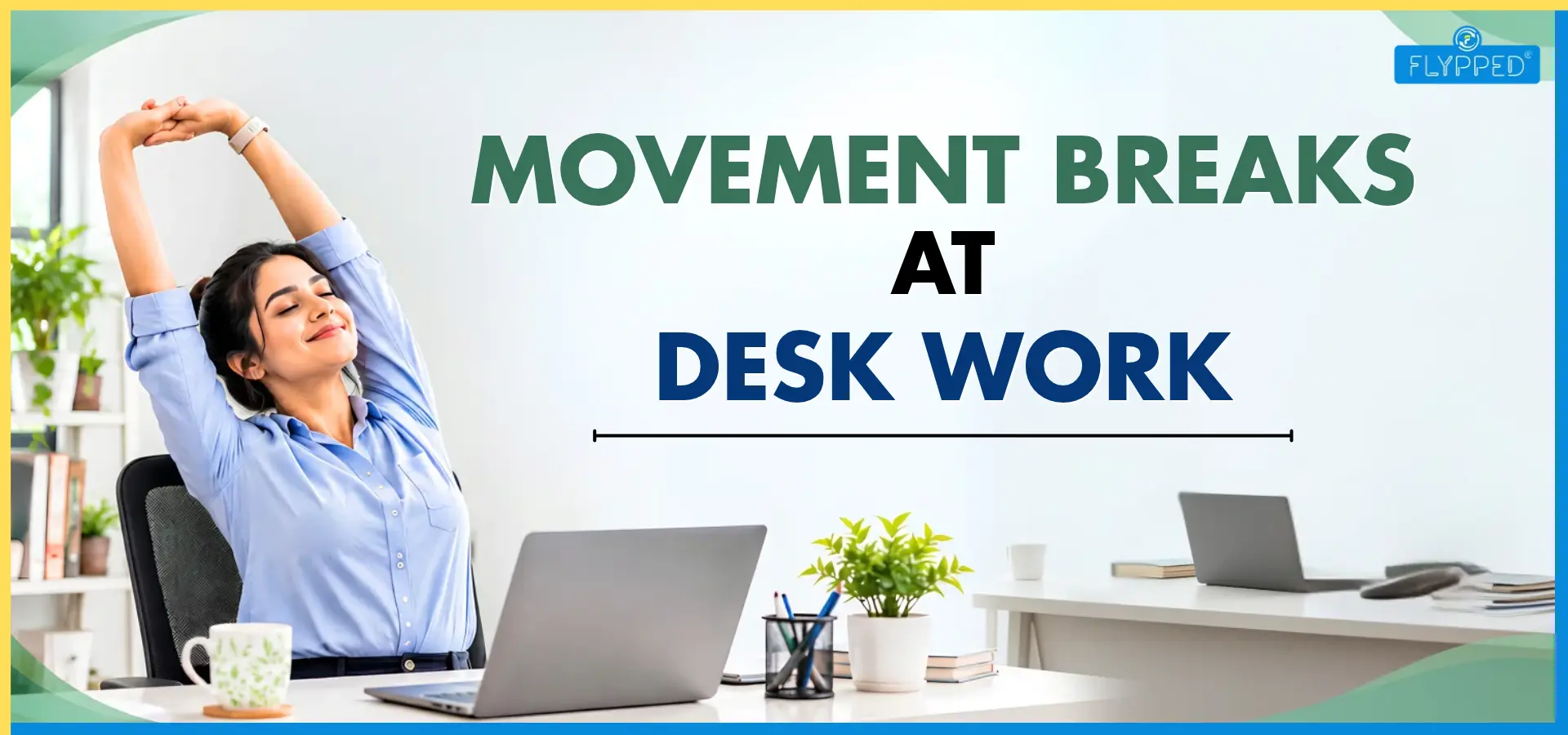
Spending long hours at a desk has become part of everyday life for office workers, students, freelancers and people working from home. While sitting helps us focus on tasks, staying in the same position for too long can leave the body feeling stiff and uncomfortable. You may notice tight shoulders, a sore back, tired eyes or reduced energy by the end of the day.
The solution is not necessarily an intense workout. Short movement breaks throughout the day can help you change posture, stretch your muscles and step away from the screen. Building small activities into your schedule can make a desk-based routine more comfortable and easier to manage.
If you want to understand how to include movement breaks at desk work in your daily schedule, these practical ideas can help you get started.
Why Are Movement Breaks Important During Desk Work?
When you sit for extended periods, your muscles remain in relatively fixed positions. Your neck may lean towards the screen, your shoulders may move forward and your hips may stay bent for hours.
Taking regular breaks gives you an opportunity to change positions and move different parts of your body. Although short breaks do not cancel out all the effects of prolonged sitting, they can make your working day less sedentary.
Some potential benefits include:
-
Reduced stiffness: Gentle movement can help loosen tight muscles after sitting.
-
Better posture awareness: Changing positions reminds you to adjust your sitting habits.
-
Improved comfort: Stretching your neck, back and legs may ease everyday discomfort.
-
A mental refresh: Stepping away from a task can help you return with a clearer mind.
-
Less screen fatigue: Looking away from your monitor gives your eyes a break.
The aim is to avoid remaining in one position for too long rather than following a perfect exercise routine.
How Often Should You Take Movement Breaks?
There is no single break schedule that suits everyone. Your work, health, comfort and daily responsibilities all influence how frequently you should move.
A practical starting point is to take a short movement break every 30 to 60 minutes. You do not need to spend a long time exercising. Even a few minutes of walking, stretching or changing your position can help interrupt prolonged sitting.
You can also connect breaks with activities you already perform, such as:
-
Standing after completing an assignment or meeting.
-
Walking while taking a phone call.
-
Stretching after sending an important email.
-
Getting up to refill your water bottle.
-
Taking a short walk after lunch.
The most useful schedule is one that you can follow consistently.
Simple Desk Exercises You Can Do During Work
You do not always need a gym or a large open space to stay active. Several gentle movements can be performed near your desk. Move slowly and avoid forcing any stretch.
1. Neck Stretch
Boyun Düzleşmesi Tedavisi ve Servikal Traksiyon | My FizyoPilates
Long hours of looking at a computer can leave the neck feeling tight. A gentle neck stretch can help you change its position.
-
Sit comfortably with your back supported.
-
Slowly tilt your head towards one shoulder.
-
Hold for a few seconds without pulling your head.
-
Return to the centre and repeat on the other side.
Stop if you feel pain, dizziness or unusual discomfort.
2. Shoulder Rolls
Desk Exercises: 15 Simple Office Exercises You Can Do at Work · Deskletics
Shoulder rolls are easy to perform between tasks and require very little space.
-
Sit or stand with your arms relaxed.
-
Slowly lift your shoulders towards your ears.
-
Roll them backwards and lower them.
-
Repeat several times, then change direction.
This movement encourages you to relax your shoulders instead of keeping them raised while typing.
3. Seated Spinal Stretch
5 Easy Stretches to Relieve Office Back Pain & Improve Posture – GymWave
A seated spinal movement can help you change your posture after working in one position.
-
Sit upright with your feet flat on the floor.
-
Place one hand on the opposite thigh.
-
Gently turn your upper body to one side.
-
Hold briefly and return to the centre.
-
Repeat on the other side.
Keep the movement comfortable and avoid twisting forcefully.
4. Standing Calf Raises
9 Desk Stretches for People Who Sit All Day | Readers.com
Calf raises are a simple way to activate your lower-leg muscles.
-
Stand behind your chair or beside your desk.
-
Keep your feet approximately hip-width apart.
-
Slowly lift your heels from the floor.
-
Pause briefly and lower them.
-
Repeat at a comfortable pace.
Use your desk or a stable chair for support if needed.
5. Short Walking Breaks
Take a Break! Why Work Breaks are Crucial, Especially if You're Working from Home
Walking is one of the simplest ways to interrupt long periods of sitting. Walk around your office, home or corridor for a few minutes. If possible, use part of your lunch break for a short outdoor walk.
Create a Simple Daily Movement Break Routine
A fixed routine can make it easier to remember to move. You can adjust the following example according to your work schedule.
|
Time or work activity |
Movement break |
|
After starting work |
Stand and stretch gently |
|
After 30–60 minutes |
Shoulder rolls and neck movement |
|
After a long meeting |
Walk for a few minutes |
|
Before lunch |
Standing calf raises |
|
After lunch |
Short walk |
|
During afternoon work |
Gentle back and shoulder stretches |
|
Before finishing work |
Walk and relax your posture |
You can set reminders on your phone or computer if you often lose track of time. However, avoid treating the schedule as a strict rule. The purpose is to move more often, not to interrupt important work unnecessarily.
Improve Your Desk Setup Alongside Movement Breaks
Taking breaks is useful, but your everyday workstation also matters. A poorly arranged desk may encourage uncomfortable positions throughout the day.
Try these adjustments:
-
Monitor position: Keep the screen directly in front of you, with the top near eye level.
-
Chair support: Choose a chair that supports your back comfortably.
-
Foot position: Keep your feet supported by the floor or a footrest.
-
Keyboard placement: Position the keyboard so your shoulders can remain relaxed.
-
Mouse placement: Keep your mouse close enough to avoid repeatedly reaching forward.
-
Screen distance: Place the monitor at a comfortable viewing distance.
You do not need expensive equipment to make useful changes. Small adjustments to your chair, screen and keyboard position can improve everyday comfort.
Self-Care Habits That Complement Movement Breaks
A healthier work routine involves more than stretching. Sleep, hydration, meals and mental rest also influence how you feel throughout the day.
Stay Hydrated
Keep a water bottle near your workstation and drink regularly. Walking to refill it can also become a natural opportunity to stand and move.
Take Care of Your Eyes
Long periods of screen use can contribute to eye strain. Try the 20-20-20 rule: every 20 minutes, look at something about 20 feet away for at least 20 seconds. Remember to blink regularly and adjust screen brightness to a comfortable level.
Avoid Skipping Meals
A balanced meal can help you maintain energy during working hours. Include vegetables, fruits, whole grains and protein sources in your daily diet.
Make Time for Mental Rest
A short break away from emails, notifications and screens can help you relax. You could listen to music, take a few slow breaths or step outside for fresh air.
Common Mistakes to Avoid During Desk Breaks
Movement breaks should feel comfortable and manageable. Avoid these common mistakes:
-
Stretching forcefully to try to get an immediate result.
-
Continuing an exercise despite pain or dizziness.
-
Taking breaks only when discomfort becomes severe.
-
Replacing movement breaks with more screen time.
-
Assuming one short workout makes prolonged sitting irrelevant.
-
Following complicated routines that are difficult to maintain.
If you experience persistent pain, numbness, weakness or recurring discomfort, consult a healthcare professional rather than relying only on desk exercises. People with existing injuries or medical conditions may also need individual guidance before trying new movements.
Frequently Asked Questions
1. How often should I take breaks from sitting at a desk?
A practical starting point is to stand, stretch or walk briefly every 30 to 60 minutes. Adjust the frequency to your comfort and work requirements.
2. What are the best exercises to do at a desk?
Shoulder rolls, gentle neck stretches, seated spinal movements, calf raises and short walks are simple options. Choose movements that feel comfortable for your body.
3. Can movement breaks improve posture?
Movement breaks can improve posture awareness by reminding you to change positions and avoid remaining in one fixed posture. A suitable workstation setup is also important.
4. Are short walking breaks useful during office hours?
Yes. Short walks interrupt prolonged sitting and provide an opportunity to move your legs. They can also offer a refreshing pause between tasks.
5. Can I take movement breaks while working from home?
Absolutely. You can stretch beside your desk, walk around your home, refill your water bottle or perform gentle standing exercises between tasks.
Conclusion
Working at a desk does not mean you have to remain inactive throughout the day. Small movement breaks, simple stretches, short walks and a comfortable workstation can make your daily routine more manageable.
Start with a few minutes of movement every hour and build a schedule that fits your work. Consistency matters more than complicated exercises. By giving your body regular opportunities to move, you can create a healthier balance between productivity and everyday well-being.
Flypped Author Bio
Hello, I am a writer at Flypped News, where I share the latest and most reliable information on news, entertainment, health and fitness, technology, lifestyle, education, sports, travel, and other important topics. Our goal is to provide readers with updates in simple and accurate language so they can easily understand every important story. Stay connected with us and visit our website for the latest updates on English Breaking News and Hindi Breaking News

 English
 Arabic
 French
 Spanish
 Portuguese
 Deutsch
 Turkish
 Dutch
 Italiano
 Russian
 Portuguese (Brazil)
 Greek