


Top Pilot Training Institutes in India for Aspiring Commercial Pilots
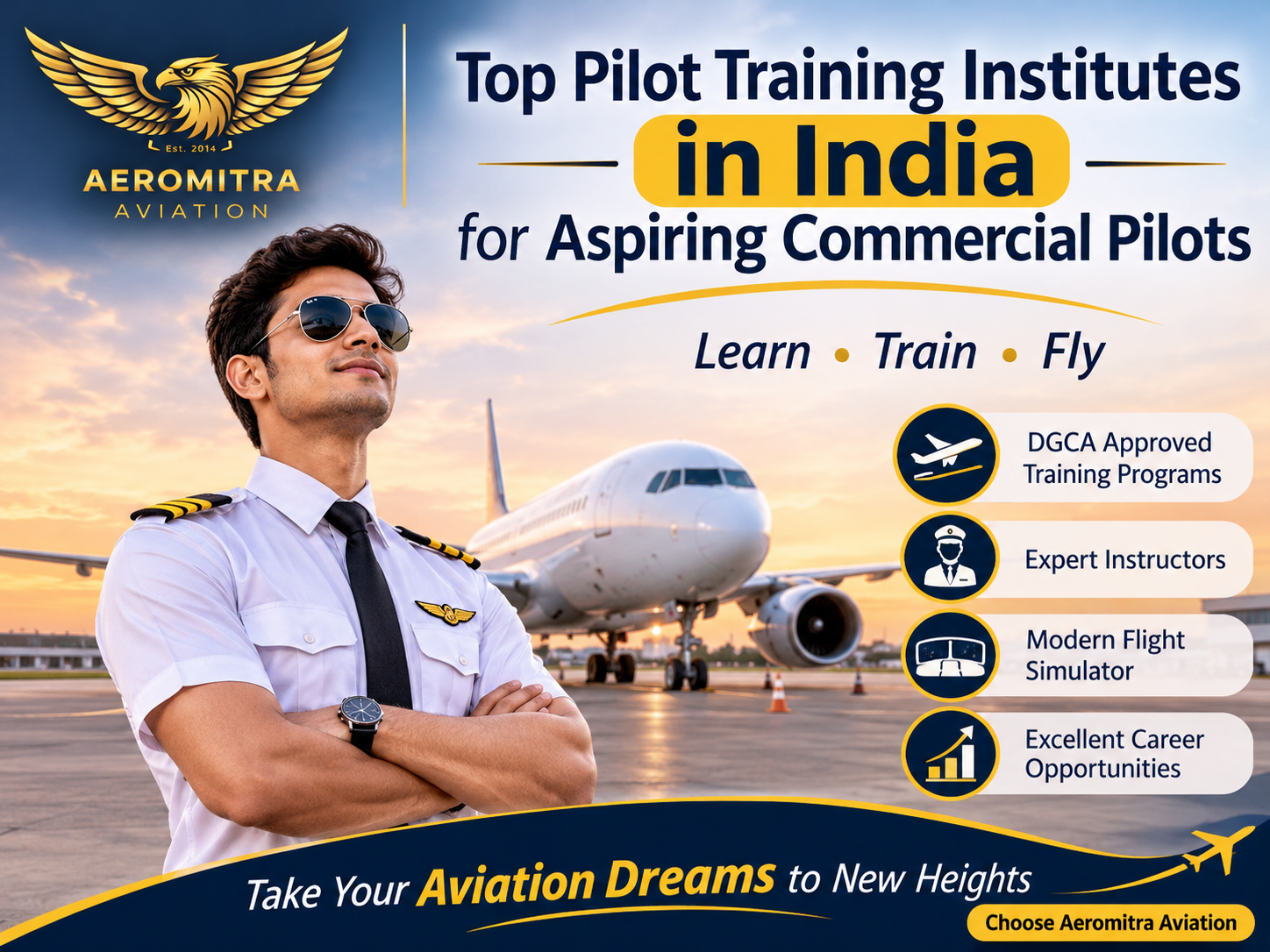
Choosing the right aviation training pathway is the first major step towards becoming a commercial pilot. With the growing interest in aviation careers, many students are researching pilot training institutes in India to understand the courses, eligibility requirements, training options, and career opportunities available. India has several flying schools and aviation training organisations that help aspiring pilots develop the knowledge and practical skills needed to enter the aviation industry. However, selecting the right institute requires careful research, planning, and an understanding of the Directorate General of Civil Aviation (DGCA) requirements.
Understanding Pilot Training in India
Pilot training involves both theoretical education and practical flying experience. Students who want to become commercial pilots generally work towards obtaining a Commercial Pilot Licence (CPL). The process includes completing the required ground training, passing relevant DGCA examinations, meeting medical standards, and fulfilling flight experience requirements.
Aviation training is not limited to learning how to operate an aircraft. It also involves understanding aviation regulations, meteorology, navigation, air regulations, aircraft technical knowledge, communication, and flight safety. A structured training pathway helps students develop the technical knowledge and decision-making skills required in professional aviation.
What to Look for in Pilot Training Institutes in India
Before selecting an institute, students should compare several important factors. A good training pathway should provide clear information about course structure, flight training arrangements, eligibility, costs, and licensing requirements.
Here are some points to consider:
1. DGCA Recognition and Training Standards
Students planning to obtain a CPL in India should verify that the flight training organisation they choose is appropriately approved by the DGCA for the relevant training. They should also check the validity of approvals and understand which training activities the organisation is authorised to conduct.
2. Experienced Instructors
Qualified instructors play an important role in pilot development. Their guidance helps students understand aircraft operations, aviation procedures, safety practices, and practical flying techniques.
3. Aircraft and Training Facilities
Aircraft availability, maintenance standards, simulators, classrooms, and other learning facilities can influence the training experience. Students should ask about aircraft types, training schedules, maintenance arrangements, and the availability of flying slots.
4. Transparent Course Fees
Pilot training can require a significant financial investment. Before enrolling, students should request a detailed fee breakdown covering ground classes, flying hours, examinations, accommodation, medical assessments, and other possible expenses. They should also ask about additional charges and refund policies.
Exploring the Best Flying Schools in India
Students often search for the best flying schools in India when comparing their options. However, the best choice depends on individual requirements, budget, location preferences, training quality, and career goals.
When evaluating flying schools, students should look beyond promotional claims. They should verify regulatory approvals, speak with current or former students where possible, and understand how the organisation manages flight schedules and student progress.
Some students may prefer training close to home, while others may be comfortable relocating to another state. Weather conditions, airspace availability, aircraft resources, and the overall training environment can also influence the learning experience.
Important Factors to Compare Before Enrolment
Selecting a flight training organisation is a long-term decision. Students should compare their options carefully instead of choosing an institute only because of its advertising or low fees.
Consider these factors before making a decision:
-
Training structure: Understand the sequence of ground classes, examinations, and practical flight training.
-
Flight-hour planning: Ask how flying hours are scheduled and what may cause delays.
-
Safety procedures: Learn about aircraft maintenance, operational standards, and safety practices.
-
Student support: Check whether students receive guidance with documentation, examinations, and training progress.
-
Career preparation: Understand whether the organisation offers guidance for airline selection processes and further aviation training.
A detailed comparison can help students make a practical decision and avoid unexpected difficulties during their training journey.
Pilot Schools in India: Eligibility and Requirements
Students interested in joining pilot schools in India should understand the basic eligibility requirements before applying. Requirements can vary according to the training programme and applicable DGCA regulations.
Generally, aspiring commercial pilots should:
-
Complete Class 12 with Physics and Mathematics or meet the applicable equivalent qualification requirements.
-
Meet the prescribed medical fitness standards.
-
Fulfil the age requirements applicable to the licence.
-
Complete the required theoretical examinations.
-
Undertake practical flight training through an appropriately approved organisation.
-
Meet the applicable flying experience and skill-test requirements.
Medical fitness is especially important because pilots must meet specific physical and health standards. Students should review the latest DGCA medical requirements before making financial commitments.
Why Ground Training Is Important for Future Pilots
Ground training builds the theoretical foundation required for safe and effective flying. It introduces students to important subjects such as air navigation, meteorology, air regulations, aviation communication, and technical knowledge.
These subjects help future pilots understand how aircraft operate and how different conditions affect flight planning and safety. Strong theoretical preparation also supports better performance during practical training.
Students should create a consistent study routine, revise regularly, practise relevant questions, and seek clarification from qualified instructors whenever they find a topic difficult.
How AeroMitra Helps Students Explore Aviation Training
Finding a suitable training pathway can be challenging, particularly for students who are unfamiliar with aviation courses and licensing procedures. AeroMitra helps aspiring pilots explore aviation education options and understand the steps involved in building a professional flying career.
Through career guidance and information about available training pathways, AeroMitra supports students as they compare aviation academies, understand course options, and plan their next steps. Students can use this guidance to make more informed decisions about their education and career goals.
Whether someone is researching pilot training for the first time or comparing different pilot training institutes in India, having access to clear information can make the decision-making process easier. Students should always verify the latest course details, regulatory approvals, fees, and admission requirements directly with the relevant training organisation.
Career Opportunities After Commercial Pilot Training
After completing the required training and obtaining the appropriate licence, pilots may explore different career opportunities depending on their qualifications, experience, and additional requirements.
Possible career pathways include:
-
Commercial airline pilot roles
-
Charter and business aviation
-
Cargo and freight aviation
-
Aerial survey operations
-
Other specialised aviation roles, subject to the relevant qualifications and approvals
A CPL is an important milestone, but it does not automatically guarantee an airline job. Airlines may have additional requirements involving experience, assessments, medical fitness, simulator checks, and other selection procedures. Students should prepare for these stages while completing their training.
Conclusion
Choosing among the many pilot training institutes in India requires research, patience, and careful planning. Aspiring commercial pilots should evaluate DGCA approvals, instructor experience, aircraft availability, training facilities, course fees, and student support before enrolling. They should also understand the eligibility requirements and licensing process to avoid confusion later.
With proper career guidance and a clear training plan, students can take informed steps towards their aviation ambitions. AeroMitra can help aspiring pilots explore suitable training pathways and make better-informed decisions as they work towards a professional career in aviation.
Frequently Asked Questions
1. How do I choose the right pilot training institute in India?
Compare regulatory approvals, training facilities, instructor experience, aircraft availability, course fees, and student support. Always verify the organisation's current approval status before enrolling.
2. What qualifications are required to become a commercial pilot in India?
Students generally need Class 12 Physics and Mathematics or an accepted equivalent qualification, along with the required medical fitness, examinations, flight training, and licensing criteria.
3. Are all pilot schools in India authorised to provide CPL flight training?
No. Students should verify whether a school or flight training organisation has the appropriate current DGCA approval for the specific training it offers.
4. Does completing pilot training guarantee an airline job?
No. Completing training and obtaining a CPL does not guarantee employment. Airlines conduct their own selection processes and may require additional qualifications, experience, and assessments.

 Arabic
 French
 Spanish
 Portuguese
 Deutsch
 Turkish
 Dutch
 Italiano
 Russian
 Romaian
 Portuguese (Brazil)
 Greek