


Varicocele Treatment: Complete Guide to Causes, Symptoms, Surgery, and Recovery
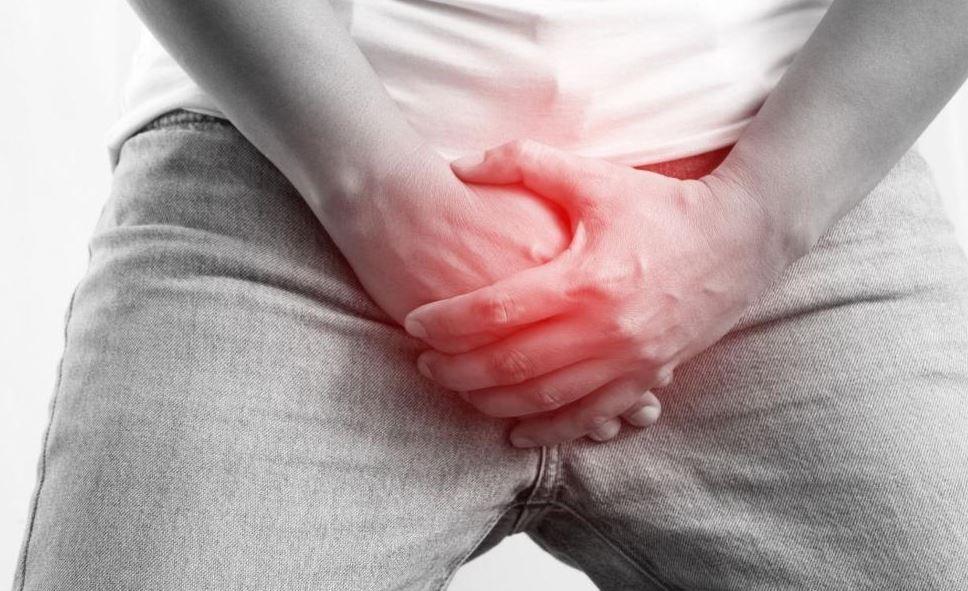
Varicocele is a common condition affecting the male reproductive system in which the veins inside the scrotum become enlarged and swollen. These veins, known as the pampiniform plexus, help regulate blood circulation and maintain an appropriate temperature around the testicles. When the valves inside these veins fail to function properly, blood begins to accumulate, resulting in enlarged veins.
Although varicocele is not usually a life-threatening condition, it can affect testicular health, sperm production, and male fertility in some individuals. Men may experience symptoms such as scrotal pain, heaviness, swelling, or discomfort, while others may remain completely unaware of the condition until it is discovered during a fertility examination.
Modern varicocele treatment offers several effective solutions, ranging from conservative management to advanced surgical and minimally invasive procedures. The most suitable approach depends on the severity of the condition, symptoms, testicular health, and reproductive goals.
Microsurgical varicocelectomy and varicocele embolization are two commonly used corrective procedures. Both aim to stop abnormal blood circulation through the enlarged veins and improve the surrounding testicular environment.
Understanding the causes, symptoms, diagnosis, and available treatment options can help men make informed decisions about their reproductive health.
What Is Varicocele?
A varicocele is an abnormal enlargement of the veins that drain blood from the testicles. It develops when blood flows backward or becomes trapped inside these veins because of malfunctioning venous valves.
The condition is similar to varicose veins that develop in the legs, but it occurs within the scrotum.
The testicles require a temperature slightly lower than the body's normal temperature for healthy sperm production. Enlarged veins can interfere with the natural cooling mechanism, potentially increasing testicular temperature and affecting reproductive function.
Varicocele commonly develops during puberty and may become more noticeable as a person grows older.
It most frequently affects the left testicle because of differences in the anatomical structure and drainage of the left testicular vein. However, it can also occur on the right side or affect both sides.
Not every varicocele requires treatment. Some men maintain normal testicular function and fertility throughout their lives, while others may develop complications that require medical attention.
Causes of Varicocele
Varicocele generally develops because of abnormal blood circulation within the veins surrounding the testicles.
Several factors can contribute to this condition.
1. Dysfunctional Venous Valves
Healthy veins contain small valves that ensure blood moves in the correct direction toward the heart.
When these valves become weak or fail to close properly, blood can flow backward and accumulate in the testicular veins. This increases pressure and causes the veins to enlarge.
2. Increased Venous Pressure
Elevated pressure in the testicular veins can interfere with normal circulation. The left testicular vein has a drainage pattern that makes it particularly susceptible to increased venous pressure.
3. Anatomical Factors
The left testicular vein drains into the left renal vein, whereas the right testicular vein usually drains directly into the inferior vena cava.
This anatomical difference helps explain why varicocele is more common on the left side.
4. Development During Puberty
Varicocele frequently appears during adolescence. As the testicles grow and blood flow increases, previously unnoticed venous abnormalities may become more apparent.
5. Venous Compression or Obstruction
In uncommon cases, compression or obstruction of veins can contribute to abnormal venous circulation. A newly developed right-sided varicocele or a varicocele that does not decompress when lying down may require additional evaluation for an underlying cause.
Symptoms of Varicocele
Varicocele does not always produce noticeable symptoms. Many men discover the condition during a routine physical examination, ultrasound investigation, or fertility assessment.
When symptoms occur, they may include:
-
Dull or aching pain in the scrotum.
-
A feeling of heaviness around the testicles.
-
Enlarged or twisted veins inside the scrotum.
-
Scrotal discomfort after prolonged standing.
-
Pain that becomes worse during physical activity.
-
Relief from discomfort when lying down.
-
Differences in testicular size.
-
Reduced testicular growth in adolescents.
-
Abnormal sperm parameters.
-
Difficulty achieving pregnancy.
The discomfort may increase throughout the day, particularly after extended periods of standing or strenuous activity.
Sudden, severe testicular pain should never be assumed to be caused by varicocele. It requires urgent medical assessment to exclude conditions such as testicular torsion.
Types and Grades of Varicocele
Doctors classify varicocele according to the size of the enlarged veins and how easily they can be identified during physical examination.
Grade 1: Mild Varicocele
Grade 1 varicocele is relatively small and can generally be detected only when the patient performs the Valsalva manoeuvre.
During this manoeuvre, the patient bears down, increasing abdominal pressure and making the enlarged veins easier to feel.
Grade 2: Moderate Varicocele
Grade 2 varicocele can be detected through physical examination even without the Valsalva manoeuvre.
The enlarged veins can be felt but are not necessarily visible through the scrotal skin.
Grade 3: Severe Varicocele
Grade 3 varicocele is the most prominent clinical grade. The enlarged veins are visible through the scrotal skin and can easily be identified through physical examination.
Subclinical Varicocele
A subclinical varicocele cannot be detected through physical examination but may be identified using Doppler ultrasound.
Treatment is generally not recommended for an ultrasound-only varicocele in men with infertility because evidence of reproductive benefit is insufficient.
How Does Varicocele Affect Male Fertility?
Male fertility depends on several factors, including healthy sperm production, normal sperm movement, and proper reproductive hormone function.
Varicocele may negatively affect these processes through different mechanisms.
Increased Testicular Temperature
The pampiniform plexus helps regulate testicular temperature by cooling incoming arterial blood.
When these veins become enlarged, their cooling efficiency may decrease, potentially increasing testicular temperature and affecting sperm development.
Oxidative Stress
Abnormal blood circulation may contribute to increased oxidative stress around the testicles.
Excessive oxidative stress can damage sperm cells, affecting their movement, structure, and ability to fertilize an egg.
Impaired Sperm Production
In some men, varicocele is associated with reduced sperm concentration, abnormal sperm morphology, and decreased motility.
Hormonal Changes
Varicocele may affect the function of Leydig cells, which are responsible for producing testosterone.
Some men with varicocele may develop reduced testosterone levels, although this does not occur in every patient.
Treating clinically significant varicocele may improve semen parameters and sometimes testosterone levels. However, fertility improvement is not guaranteed, and treatment decisions should consider both partners' reproductive health.
When Should Varicocele Be Treated?
Not every patient with varicocele needs surgery or another corrective procedure.
A urologist may recommend treatment when the condition causes persistent symptoms or affects reproductive health.
Common indications include:
Persistent Testicular Pain
Men experiencing ongoing scrotal pain that does not improve with conservative management may benefit from corrective treatment.
Male Infertility
Varicocele repair may be recommended for men who have infertility, a clinically palpable varicocele, and abnormal semen parameters.
Reduced Testicular Size
In adolescents, persistent testicular growth impairment or a significant size difference may be an indication for treatment.
Abnormal Semen Analysis
Men with reduced sperm concentration, poor motility, or abnormal morphology may benefit from further evaluation to determine whether varicocele contributes to their fertility problems.
Testicular Discomfort
Persistent heaviness and discomfort that interfere with normal daily activities may justify medical intervention.
Diagnosis of Varicocele
Correct diagnosis is essential for determining the appropriate treatment method.
A specialist generally uses medical history, physical examination, and diagnostic tests to assess the condition.
1. Physical Examination
The urologist examines the scrotum while the patient is standing and sometimes while lying down.
The doctor checks for enlarged veins, tenderness, and differences in testicular size.
The Valsalva manoeuvre may also be performed to identify smaller varicoceles.
2. Scrotal Doppler Ultrasound
Doppler ultrasound is an important diagnostic investigation that evaluates the veins and blood circulation around the testicles.
It helps identify:
-
Enlarged testicular veins.
-
Reversed blood flow.
-
Venous reflux.
-
Testicular size differences.
-
Other possible scrotal abnormalities.
This investigation is particularly useful when the physical examination does not provide a clear diagnosis.
3. Semen Analysis
Semen analysis helps evaluate male reproductive potential.
It measures important sperm characteristics, including:
-
Sperm concentration.
-
Total sperm count.
-
Sperm motility.
-
Sperm morphology.
-
Semen volume.
Abnormal results may indicate impaired sperm production and help guide treatment decisions.
4. Hormonal Blood Tests
Selected patients may require blood tests to evaluate reproductive hormone levels.
These may include testosterone, follicle-stimulating hormone, and luteinizing hormone.
Hormonal investigations are particularly useful when there are concerns about reduced testosterone or impaired testicular function.
Varicocele Treatment Options
Several varicocele treatment methods are available, depending on the patient's symptoms, medical history, and fertility requirements.
The main approaches include conservative treatment, microsurgical varicocelectomy, laparoscopic surgery, and embolization.
1. Conservative Varicocele Treatment
Conservative treatment is generally recommended for men with mild symptoms who do not have significant testicular damage or fertility-related indications for intervention.
The purpose is to reduce discomfort rather than eliminate the enlarged veins.
Common conservative measures include:
Scrotal Support: Supportive underwear or an athletic supporter can reduce movement and provide relief from testicular heaviness.
Cold Compresses: A cold pack wrapped in a towel may provide temporary relief from discomfort and swelling.
Pain Management: Appropriate pain-relieving medication may be recommended by a doctor when necessary.
Activity Modification: Patients may benefit from reducing activities that consistently aggravate their symptoms.
Avoiding Prolonged Standing: Taking regular breaks from prolonged standing may help reduce discomfort.
Conservative treatment does not permanently correct varicocele. Patients with persistent symptoms should discuss additional options with a urologist.
2. Microsurgical Varicocelectomy
Microsurgical varicocelectomy is a widely preferred surgical approach for treating clinically significant varicocele.
The procedure involves identifying and closing the enlarged veins while preserving the testicular artery, lymphatic vessels, and other important structures.
An operating microscope allows the surgeon to visualize small veins and distinguish them from surrounding tissues.
Procedure of Microsurgical Varicocelectomy
The procedure generally involves the following steps:
-
The patient receives appropriate anaesthesia.
-
The surgeon makes a small incision in the groin or subinguinal region.
-
The spermatic cord is identified and carefully exposed.
-
The operating microscope is used to identify abnormal veins.
-
The enlarged veins are tied off or sealed.
-
The testicular artery and lymphatic vessels are preserved.
-
The incision is closed using appropriate surgical techniques.
Benefits of Microsurgical Varicocelectomy
-
Effective correction of abnormal venous circulation.
-
Generally low recurrence rates.
-
Lower risk of hydrocele formation compared with several alternative surgical approaches.
-
Potential improvement in sperm concentration and motility.
-
Possible relief from chronic testicular pain.
-
Relatively small surgical incision.
-
Favourable recovery in most appropriately selected patients.
Microsurgical varicocelectomy is particularly useful for infertile men with a palpable varicocele and abnormal semen parameters.
3. Laparoscopic Varicocele Surgery
Laparoscopic varicocele repair is a minimally invasive surgical procedure performed through small abdominal incisions.
The surgeon inserts a laparoscope, which contains a camera, to visualize the affected veins.
Specialized instruments are then used to identify and close the abnormal veins.
Advantages
-
Small abdominal incisions.
-
Magnified visualization.
-
Ability to treat bilateral varicocele during the same procedure.
-
Relatively quick recovery for many patients.
However, laparoscopic surgery may involve a higher risk of certain complications, including hydrocele formation, compared with microsurgical repair.
4. Varicocele Embolization
Varicocele embolization is a minimally invasive procedure performed by an interventional radiologist.
Unlike conventional surgery, it does not require an incision around the scrotum or groin.
Instead, the specialist inserts a thin catheter into a vein, usually through the groin or neck, and guides it toward the affected testicular vein using imaging technology.
The abnormal vein is blocked using coils, plugs, or other embolic materials to stop backward blood flow.
Steps Involved in Varicocele Embolization
-
The patient is positioned for the procedure.
-
The access area is cleaned and prepared.
-
Local anaesthesia is administered.
-
A small catheter is inserted into a vein.
-
Imaging guidance is used to navigate toward the affected vein.
-
The abnormal vein is blocked using an appropriate embolic material.
-
The catheter is removed and the access site is dressed.
Benefits of Varicocele Embolization
-
No conventional surgical incision around the scrotum.
-
Usually performed under local anaesthesia.
-
Short recovery period for many patients.
-
Minimal discomfort at the treatment site.
-
An alternative for patients with recurrent varicocele after surgery.
-
Potentially suitable for patients who prefer minimally invasive treatment.
Embolization may not be technically possible in every patient because venous anatomy and catheter access can affect procedural success.
5. Open Varicocelectomy
Open varicocelectomy involves making an incision to access and close the abnormal testicular veins.
The procedure can be performed through different anatomical approaches, including inguinal and retroperitoneal access.
Although effective, non-microsurgical open techniques may have higher recurrence or hydrocele rates than microsurgical varicocelectomy.
Which Varicocele Treatment Is Best?
The best treatment depends on the patient's condition and individual medical requirements.
Microsurgical varicocelectomy is often preferred when surgical correction is indicated because of its favourable success and complication profile.
Embolization offers an effective alternative for selected patients, particularly those with recurrent varicocele or a preference for a minimally invasive radiological procedure.
| Treatment | Main advantage | Consideration |
|---|---|---|
| Conservative management | Avoids invasive procedures | Does not eliminate varicocele |
| Microsurgical surgery | Low recurrence and complication rates | Requires an operation |
| Laparoscopic surgery | Small abdominal incisions | Requires general anaesthesia |
| Embolization | Minimally invasive treatment | Depends on venous anatomy |
| Open surgery | Established surgical technique | Outcomes depend on surgical approach |
A specialist should recommend treatment after evaluating the severity of varicocele, fertility status, symptoms, and relevant diagnostic findings.
Benefits of Varicocele Treatment
Appropriate treatment can provide several benefits, particularly in men experiencing pain, infertility, or impaired testicular function.
Improved Sperm Parameters
Successful treatment may improve sperm concentration, motility, and morphology in selected infertile men.
Potential Improvement in Natural Pregnancy Rates
For appropriately selected couples, varicocele repair may improve the likelihood of natural conception.
However, pregnancy outcomes depend on multiple male and female reproductive factors.
Relief from Scrotal Pain
Patients with varicocele-related pain may experience reduced discomfort following successful treatment.
Improved Testicular Function
Correcting abnormal blood flow may help improve the testicular environment and support reproductive function.
Potential Testosterone Improvement
Some men with low testosterone associated with varicocele may experience improved hormone levels after treatment.
Recovery After Varicocele Treatment
Recovery varies according to the treatment method, individual health, and extent of the procedure.
Recovery After Microsurgical Surgery
Most patients can return home on the day of surgery.
The general recovery process may include:
First 48 Hours: Mild pain, bruising, and swelling may occur. Rest and prescribed medication can help control discomfort.
First Week: Light daily activities can usually be resumed gradually.
After 1–2 Weeks: Many patients return to routine work, depending on their occupation and recovery.
After 2–4 Weeks: Strenuous exercise and heavy lifting may be resumed gradually after medical clearance.
Recovery After Embolization
Recovery following embolization is generally shorter than after conventional surgery.
Patients may experience mild bruising or discomfort around the catheter insertion site.
Many can resume normal daily activities within a few days, although heavy lifting and strenuous exercise should be avoided temporarily according to the doctor's instructions.
Post-Treatment Care
Proper postoperative care supports recovery and reduces the likelihood of complications.
Important recommendations include:
-
Take prescribed medications as directed.
-
Keep the incision or catheter insertion site clean.
-
Wear supportive underwear if recommended.
-
Avoid heavy lifting during the initial recovery period.
-
Avoid strenuous exercise until cleared by the doctor.
-
Follow instructions regarding bathing and wound care.
-
Attend all scheduled follow-up appointments.
-
Report unusual pain, swelling, fever, or discharge.
Patients should seek immediate medical advice if they develop severe pain, significant swelling, fever, or other concerning symptoms.
Risks and Complications of Varicocele Treatment
Varicocele treatment is generally safe, but complications can occur.
Potential risks include:
Hydrocele
Hydrocele is a fluid collection around the testicle. It can develop when lymphatic vessels are damaged during surgery.
Recurrence
Varicocele may return if some abnormal veins remain untreated or additional collateral veins develop.
Infection
Infection may occasionally develop at a surgical incision or catheter insertion site.
Bleeding
Minor bruising is relatively common, while significant bleeding is less common.
Persistent Pain
Some patients may continue to experience scrotal discomfort after treatment.
Testicular Artery Injury
Damage to the testicular artery is uncommon but can affect the blood supply and function of the testicle.
Embolization Complications
Possible complications include technical failure, contrast reactions, venous injury, and migration of embolic materials.
An experienced specialist and appropriate patient selection help minimize these risks.
Can Varicocele Treatment Improve Sperm Count?
Yes. Varicocele treatment may improve sperm count in men whose abnormal sperm production is associated with a clinically significant varicocele.
When enlarged veins are corrected, the testicular environment may become more favourable for sperm production.
However, results vary considerably.
Some patients experience substantial improvement, while others see only minor changes or no significant improvement.
Semen analysis is usually repeated around three months after treatment to evaluate the response.
How Long Does It Take to Improve Fertility After Varicocele Surgery?
Sperm development takes approximately 74 days, followed by further maturation and transport.
Consequently, improvements in sperm quality do not occur immediately after treatment.
Many patients are evaluated approximately three months after surgery, with additional semen analyses performed when necessary.
Improvements may continue over six months or longer in some individuals.
Couples experiencing infertility should discuss an appropriate conception plan with their fertility specialist rather than assuming that treatment guarantees pregnancy.
Can Varicocele Cause Erectile Dysfunction?
Varicocele is not generally considered a direct cause of erectile dysfunction.
However, some men may have overlapping reproductive or hormonal problems that influence sexual health.
Reduced testosterone levels, psychological stress, and concerns about fertility may contribute to sexual difficulties in certain patients.
Men experiencing erectile dysfunction should receive a separate medical assessment to identify the underlying cause and determine appropriate treatment.
Can Varicocele Be Treated Permanently?
Varicocele treatment aims to permanently block the abnormal veins and redirect blood through healthy venous pathways.
Microsurgical varicocelectomy and embolization can both provide long-term correction.
Nevertheless, recurrence is possible.
Regular follow-up is particularly important for patients who experience persistent pain, recurrent swelling, or fertility problems after treatment.
Does Varicocele Require Immediate Treatment?
Most varicoceles do not require emergency treatment.
However, persistent pain, testicular size differences, and fertility concerns should be evaluated by a urologist.
Sudden severe testicular pain, particularly when accompanied by nausea or swelling, requires emergency assessment because it may indicate testicular torsion rather than varicocele.
Frequently Asked Questions (FAQs)
1. What Is the Most Effective Treatment for Varicocele?
Microsurgical varicocelectomy is generally considered a preferred surgical treatment for clinically significant varicocele because of its favourable success and complication profile. Embolization is another effective option for suitable patients.
2. Can Varicocele Go Away Without Surgery?
Varicocele generally does not disappear permanently without corrective treatment. Conservative measures can reduce discomfort, but they do not eliminate the abnormal veins.
3. Is Varicocele Surgery Safe?
Yes. Varicocele surgery is generally safe when performed by an experienced surgeon. However, potential complications include hydrocele, recurrence, infection, bleeding, and persistent pain.
4. How Much Time Does Varicocele Surgery Take?
Microsurgical varicocelectomy commonly takes approximately 45–90 minutes, although the duration varies according to the surgical technique and whether one or both sides are treated.
5. Can Varicocele Cause Infertility?
Varicocele can negatively affect sperm production and quality in some men. However, many men with varicocele remain fertile.
6. Does Varicocele Treatment Increase Sperm Count?
It may improve sperm concentration and other semen parameters in appropriately selected patients. The extent of improvement varies.
7. Can Both Testicles Be Affected by Varicocele?
Yes. Although varicocele is more common on the left side, it can affect both testicles.
8. How Long Does Recovery Take After Varicocele Surgery?
Many patients return to light activities within several days and routine work within one or two weeks. Full recovery and return to strenuous exercise may take longer.
9. Can Varicocele Return After Surgery?
Yes. Recurrence is possible, although microsurgical techniques generally have relatively low recurrence rates.
10. Is Varicocele Embolization Better Than Surgery?
Neither method is universally better. Microsurgery is a preferred surgical option, while embolization offers a minimally invasive alternative. The appropriate method depends on individual anatomy and medical circumstances.
11. Does Varicocele Affect Testosterone?
Varicocele may be associated with reduced testosterone production in some men. Treatment may improve testosterone levels in selected patients.
12. Can I Exercise After Varicocele Surgery?
Light activities can generally be resumed gradually. Heavy lifting, running, and strenuous exercise should be avoided until the treating surgeon provides clearance.
13. When Should I Consult a Urologist?
Consult a urologist if you notice enlarged scrotal veins, testicular heaviness, persistent pain, differences in testicular size, or difficulty conceiving.
Conclusion
Varicocele is a common male reproductive condition that develops when the veins surrounding the testicles become enlarged due to abnormal blood circulation. Although many cases do not cause significant problems, some men experience persistent discomfort, reduced testicular growth, hormonal changes, or fertility difficulties.
Modern varicocele treatment provides several effective options, including conservative management, microsurgical varicocelectomy, laparoscopic surgery, and minimally invasive embolization.
Microsurgical varicocelectomy is a preferred surgical approach for appropriately selected patients because it offers effective vein correction with relatively low recurrence and complication rates. Embolization provides another option for patients who are suitable candidates for radiological treatment.
The most important step is obtaining an accurate diagnosis and selecting a treatment approach based on individual symptoms, testicular health, and fertility goals.
With proper medical evaluation, appropriate treatment, and regular follow-up, many men can achieve relief from varicocele-related symptoms and improvements in reproductive health.

 English
 Arabic
 French
 Spanish
 Portuguese
 Deutsch
 Turkish
 Dutch
 Italiano
 Russian
 Portuguese (Brazil)
 Greek