


Head and Neck Cancer Diagnosis in Delhi: Why Accurate Evaluation Matters Before Starting Treatment
A lump in the neck, a persistent mouth ulcer or an unexplained change in voice may seem like a minor health concern initially. However, when these symptoms continue or become progressively worse, they deserve proper medical attention. Identifying the cause early can help patients understand their condition and explore appropriate treatment options.
Head and neck cancer management begins long before an operation or other cancer treatment. It starts with a detailed clinical assessment, accurate diagnosis and an understanding of how far the disease has progressed.
For individuals searching for the Best Head & Neck Cancer Surgeon in Delhi, selecting a specialist who understands both diagnosis and surgical management is an important part of the treatment journey.
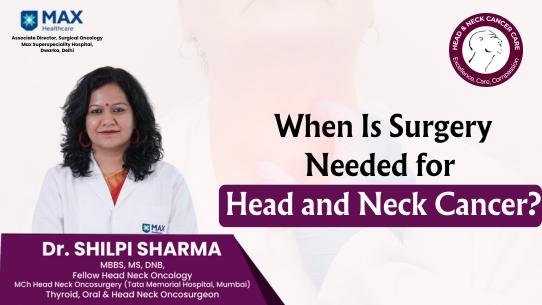
Dr. Shilpi Sharma, MBBS, MS, DNB, Fellow in Head & Neck Oncology, MCh Head & Neck Oncosurgery (Tata Memorial Hospital, Mumbai), specialises in thyroid, oral and head and neck oncosurgery.
Why an Accurate Diagnosis Is the Foundation of Cancer Treatment
Not every abnormal growth in the head and neck region is cancerous. A swelling may develop because of an infection, a benign tumour, an enlarged lymph node or a thyroid disorder.
Similarly, an oral ulcer may result from trauma, dental problems or other non-cancerous conditions.
The challenge is identifying which conditions require further investigation.
A Head & Neck Cancer Specialist in Delhi evaluates the patient's symptoms, medical history and examination findings before recommending additional tests.
An accurate diagnosis helps determine:
-
Whether a suspicious growth is cancerous.
-
The exact location and type of tumour.
-
Whether surrounding tissues are involved.
-
Whether lymph nodes are affected.
-
Which treatment options may be appropriate.
-
Whether surgery or additional cancer treatment is required.
This process helps avoid unnecessary assumptions and supports more informed medical decisions.
Understanding the Diagnostic Journey for Head and Neck Cancer
The evaluation of suspected head and neck cancer generally involves several steps. The investigations depend on the suspected tumour location and the patient's clinical condition.
1. Detailed Clinical Examination
The first step is examining the mouth, tongue, throat, thyroid region and neck.
The specialist may assess the size, location and characteristics of a lump or suspicious lesion. Information about tobacco exposure, previous medical conditions and symptom duration may also be relevant.
A Head & Neck Cancer Doctor in Delhi uses these findings to decide whether further investigation is necessary.
2. Biopsy and Tissue Examination
A biopsy involves collecting a tissue sample from a suspicious area for laboratory examination.
Histopathological evaluation helps determine whether cancer cells are present and can identify the tumour type.
For thyroid nodules and certain neck lumps, fine-needle aspiration cytology may be recommended instead.
3. Imaging Investigations
Imaging helps doctors understand the location and extent of a suspected tumour.
Depending on the condition, investigations may include:
-
Ultrasound.
-
Contrast-enhanced CT scan.
-
MRI.
-
PET-CT in selected cases.
These investigations help evaluate surrounding tissues, lymph nodes and possible disease spread.
4. Cancer Staging
Cancer staging describes the extent of disease. It considers factors such as tumour size, lymph node involvement and distant spread.
Staging is important because treatment recommendations may differ significantly between early and advanced cancers.
Different Types of Head and Neck Cancer Need Different Treatment Strategies
Head and neck cancer is not one single disease. It includes several cancers that develop in different anatomical structures.
A specialist treatment plan must reflect the particular type of cancer.
Oral Cancer
Oral cancer can affect the tongue, inner cheeks, gums, lips and floor of the mouth.
An Oral Cancer Specialist in Delhi may evaluate persistent ulcers, suspicious patches, abnormal growths and other oral lesions.
Treatment may involve tumour removal, neck dissection, reconstruction, radiation therapy or systemic treatment, depending on the diagnosis.
Patients looking for the Best Oral Cancer Surgeon in Delhi should consider the surgeon's specialist training and the availability of appropriate reconstructive and multidisciplinary services.
Choosing an Oral Cancer Hospital in Delhi also involves assessing access to diagnostic pathology, imaging, oncology and postoperative rehabilitation.
Thyroid Cancer
Thyroid cancer develops in the thyroid gland at the front of the neck.
Some thyroid cancers are discovered during routine examinations or ultrasound investigations performed for unrelated reasons.
A Thyroid Cancer Specialist in Delhi may recommend ultrasound-guided FNAC and other tests to evaluate suspicious nodules.
Surgical treatment can involve thyroid lobectomy, total thyroidectomy or lymph node surgery in selected patients.
A Thyroid Cancer Doctor in Delhi should explain the diagnosis, surgical options, possible complications and the need for long-term monitoring.
Patients requiring surgery can consult a Thyroid Cancer Surgery Specialist in Delhi for an assessment based on their specific condition.
Other Head and Neck Tumours
Cancers may also develop in the throat, voice box, salivary glands and other surrounding structures.
The symptoms and treatment options vary according to the anatomical location.
A Head & Neck Tumor Surgeon in Delhi evaluates the disease and helps determine whether surgical management is appropriate.
Why Multidisciplinary Cancer Care Is Important
Cancer treatment frequently involves more than one medical speciality.
Depending on the patient's condition, a multidisciplinary team may include:
-
Head and neck oncosurgeon.
-
Medical oncologist.
-
Radiation oncologist.
-
Radiologist.
-
Pathologist.
-
Anaesthesiologist.
-
Speech and swallowing therapist.
-
Nutrition specialist.
Each specialist contributes to a different part of the treatment process.
For example, the surgeon may assess whether the tumour can be removed safely, while the radiation oncologist evaluates the role of radiotherapy. A medical oncologist may recommend systemic treatment when indicated.
This collaborative approach helps ensure that treatment decisions consider the complete clinical picture.
Patients looking for a Head & Neck Cancer Hospital in Delhi should understand the importance of coordinated specialist services rather than focusing only on the availability of an operation.
What Makes Specialist Surgical Training Important?
The head and neck region contains several closely connected structures responsible for important functions.
Surgery in this area requires careful attention to anatomy, tumour extent and the possibility of functional changes.
Choosing a Head & Neck Oncosurgeon in Delhi with relevant specialist qualifications can help patients understand their surgical options.
A qualified specialist may be involved in:
-
Oral cancer tumour removal.
-
Thyroid cancer surgery.
-
Neck dissection.
-
Management of selected head and neck tumours.
-
Reconstructive treatment planning.
-
Postoperative assessment and follow-up.
Patients searching for a Best surgeon for head & neck cancer in Delhi should review verified qualifications, relevant specialist training and the treatment facilities available.
Meet Dr. Shilpi Sharma – Head & Neck Oncology Specialist in Delhi
Dr. Shilpi Sharma is a specialist in thyroid, oral and head and neck oncosurgery.
Her professional qualifications include:
-
MBBS
-
MS
-
DNB
-
Fellowship in Head & Neck Oncology
-
MCh Head & Neck Oncosurgery from Tata Memorial Hospital, Mumbai
Her specialist training is focused on the surgical management of conditions affecting the thyroid, oral cavity and head and neck region.
Patients looking for a Head & Neck Oncology Expert in Delhi can seek consultation for suspicious oral lesions, thyroid abnormalities, persistent neck lumps and diagnosed head and neck cancers.
Her areas of clinical focus include oral cancer surgery, thyroid cancer surgery and head and neck tumour management.
For patients across Delhi NCR, timely specialist assessment can help clarify the diagnosis and provide guidance about suitable next steps.
Symptoms That Deserve Medical Attention
Certain symptoms should not be ignored, especially when they persist without an obvious explanation.
Watch for:
-
Mouth ulcers that do not heal within two weeks.
-
Persistent lumps or swelling in the neck.
-
Difficulty swallowing.
-
Changes in voice lasting several weeks.
-
Unexplained bleeding from the mouth.
-
Persistent throat or ear pain.
-
White or red patches inside the mouth.
-
Difficulty opening the mouth.
-
Unexplained weight loss.
These symptoms do not automatically indicate cancer. However, appropriate medical evaluation is important to identify the cause.
Frequently Asked Questions
1. Which doctor should I consult for a suspected head and neck tumour?
A head and neck oncology specialist or appropriately trained head and neck oncosurgeon can assess suspicious growths involving the mouth, throat, thyroid and neck.
2. Is a biopsy necessary to diagnose head and neck cancer?
Tissue diagnosis is generally important for confirming suspected cancers. The type of sampling procedure depends on the location and nature of the abnormality.
3. Can a neck lump be non-cancerous?
Yes. Neck lumps may occur due to infections, inflammatory conditions, thyroid abnormalities and benign growths. Persistent or suspicious lumps require medical assessment.
4. Does cancer staging affect treatment?
Yes. Staging helps doctors understand the extent of disease and select an appropriate treatment strategy.
5. Can head and neck cancer be treated without surgery?
Some head and neck cancers can be managed with radiation therapy, systemic treatment or combinations of treatments. The choice depends on cancer type, location, stage and patient-related factors.
Take an Informed Step Towards Better Cancer Care
The first step in managing a suspicious head or neck condition is understanding what is happening. Accurate diagnosis, appropriate investigations and specialist guidance can help patients make informed decisions about their health.
If you are searching for the Best Head & Neck Cancer Surgeon in Delhi, Head & Neck Cancer Specialist in Delhi NCR, Oral Cancer Specialist in Delhi or Thyroid Cancer Specialist in Delhi, consider arranging an assessment with Dr. Shilpi Sharma.
Know the warning signs. Do not delay evaluation. Get expert guidance.
For consultation and further information:
https://headneckcancersurgeondelhigurgaon.com/
This article is intended for general educational purposes. Diagnosis and treatment recommendations should always be based on an individual medical evaluation.

 English
 Arabic
 French
 Spanish
 Portuguese
 Turkish
 Dutch
 Italiano
 Russian
 Romaian
 Portuguese (Brazil)
 Greek