


How to Remove Dust From Baseboard Heaters and Keep Your Home Warm in Winter?
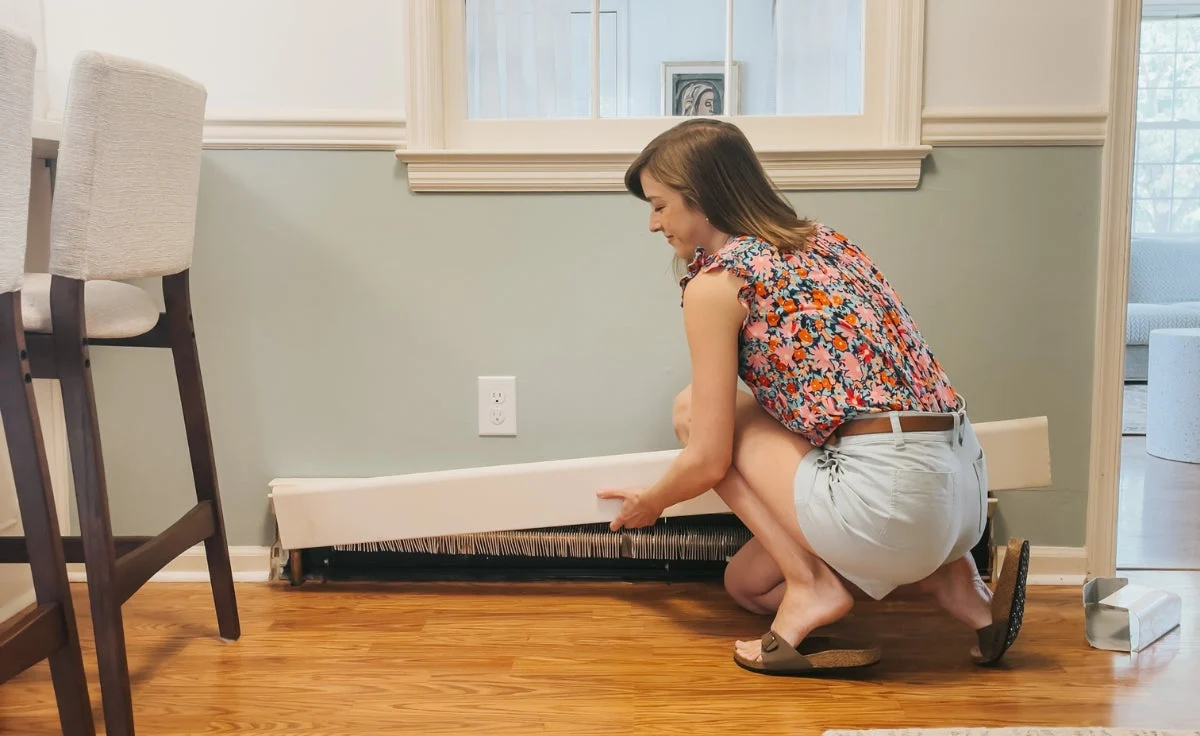
When winter arrives, most homeowners focus on checking their thermostats, sealing drafty windows, and preparing warm clothing. However, one important household task often gets overlooked: cleaning baseboard heaters.
These long heating units are commonly installed along walls near the floor. Over time, they become collection points for dust, lint, pet hair, and other debris.
If you notice dusty odors when your heating system starts, dirty heater openings may be contributing to the problem.
Understanding how to clean baseboard heaters helps you prepare your home for colder temperatures while keeping the heating equipment properly maintained.
Fortunately, you can perform many basic cleaning tasks with simple household supplies. The key is knowing which parts are safe to clean and when to call a professional.
Why Do Baseboard Heaters Collect So Much Dust?
Baseboard heaters are installed near the floor, where household dust naturally settles.
Everyday activities such as walking, vacuuming, moving furniture, and playing with pets can disturb dirt and lint.
As the heater warms the surrounding air, natural convection moves air through the unit.
Some airborne particles may settle inside the housing or around the heating fins.
Several household conditions can increase dust buildup:
-
Carpets and rugs near the heater.
-
Pets that shed hair.
-
Nearby upholstered furniture.
-
Poorly maintained rooms.
-
Long periods without cleaning.
-
Objects blocking airflow openings.
Because much of this buildup remains hidden behind the front cover, it can go unnoticed for months.
What Happens When Baseboard Heaters Become Dirty?
Excessive dust may interfere with natural airflow.
In a hot-water baseboard system, accumulated debris around the metal fins can reduce effective heat transfer.
In electric heaters, dust can collect near the heating element and surrounding enclosure.
Another common concern is an unpleasant smell when heating begins after a long period of inactivity.
A brief dusty smell may occur, but a persistent burning odor should never be ignored.
Dirt buildup may also conceal signs of corrosion or moisture problems.
These are good reasons to include heater inspection in your seasonal cleaning routine.
How to Remove Dust From Baseboard Heaters
The following method focuses on routine maintenance without unnecessary disassembly.
Step 1: Identify Your Heater Type
First, determine whether your home uses electric baseboard heating or boiler-fed hot-water baseboard heating.
Electric heaters contain electrical heating elements.
Hot-water systems use metal pipes and fins connected to a central heating system.
If you are unsure which system you have, consult the manufacturer's documentation or a qualified technician.
Step 2: Shut Down the Heater Safely
For electric heaters, switch off the supplying circuit breaker before any approved cleaning that involves access to the heater.
For hot-water systems, turn off heating demand and allow the system to cool.
Never attempt maintenance while heating surfaces are hot.
Step 3: Vacuum the Surrounding Floor
Start by removing dust from the floor beneath and around the unit.
Use a vacuum crevice attachment to reach the edge where the wall meets the flooring.
This prevents loose dirt from immediately returning to the heater openings.
Step 4: Clean the Top and Bottom Openings
Use a soft vacuum attachment to remove accessible dust from the upper and lower vents.
Work gently without pushing the nozzle against internal components.
If debris is difficult to reach, do not insert sharp tools into the housing.
Step 5: Inspect the Front Cover
Some hydronic baseboard heaters have removable front panels.
If the manufacturer allows cover removal, carefully open the panel according to its instructions.
Do not remove electrical housings or wiring covers.
If the cover is stuck, leave it in place and seek guidance rather than forcing it.
Step 6: Clean the Heating Fins
Hot-water baseboard heaters commonly use thin aluminum fins attached to a metal pipe.
These fins can trap dust between their narrow openings.
Use a soft vacuum brush and light pressure to remove debris.
Avoid bending the fins.
If the fin assembly is severely damaged or corroded, contact a heating professional.
For electric heaters, use only the internal cleaning procedure approved for the specific model.
Step 7: Wipe and Reinstall the Cover
Clean the exterior cover using a microfiber cloth.
A slightly damp cloth may be used on compatible exterior surfaces if the manufacturer permits it.
Do not spray cleaning solutions into the heater.
Allow all cleaned surfaces to dry before reinstalling the cover.
Restore normal operation only after the heater is fully assembled.
How to Prevent Dust Buildup Around Baseboard Heaters
Cleaning is useful, but prevention can make seasonal maintenance easier.
Vacuum the Floor Regularly
Pay particular attention to corners, wall edges, and spaces behind furniture.
Pet owners may need to vacuum these areas more frequently.
Keep Furniture Away From the Heater
Furniture can block airflow and make cleaning difficult.
Always follow the heater manufacturer's minimum clearance requirements.
Avoid Hanging Curtains Over the Unit
Long curtains may interfere with airflow and create safety concerns.
Keep fabric outside required clearance zones.
Inspect Before Winter
Check the heater before the first cold-weather heating cycle.
Remove visible dust and inspect for damage.
Keep the Area Uncluttered
Do not store clothing, paper, boxes, or toys against baseboard heating units.
Keeping the surrounding area clear also makes regular cleaning easier.
Electric vs. Hot-Water Baseboard Heater Maintenance
| Cleaning task | Electric heater | Hot-water heater |
|---|---|---|
| Vacuum accessible vents | Yes, after safe shutdown | Yes, after cooling |
| Clean exterior cover | According to manual | According to manual |
| Remove front cover | Only when manufacturer permits | Only when manufacturer permits |
| Clean internal fins | Model-specific instructions | Gentle vacuuming when accessible |
| Check wiring | Qualified electrician | Not generally part of fin cleaning |
| Check for water leaks | Not applicable to standard dry electric units | Yes, visually |
| Spray water inside | No | Avoid |
The correct maintenance procedure depends on the specific heater model.
When Is Professional Heater Cleaning Necessary?
Some problems require more than ordinary dust removal.
Contact a qualified professional when:
-
An electric heater repeatedly trips its breaker.
-
The unit produces sparks or smoke.
-
There is a persistent electrical burning smell.
-
A hot-water heater is leaking.
-
The fins or covers are severely damaged.
-
The heater does not warm properly despite normal settings.
-
Safe access requires electrical or plumbing disassembly.
Do not attempt to repair electrical wiring, adjust boiler pressure, or disconnect heating pipes during routine cleaning.
Does Cleaning Baseboard Heaters Improve Heating Efficiency?
Removing excessive dust can help restore normal airflow and heat transfer.
However, the amount of improvement depends on how dirty the heater was before cleaning.
A lightly dusty heater may show little noticeable difference.
A heavily obstructed unit may benefit more from clearing debris and restoring unobstructed airflow.
Cleaning alone will not fix problems caused by inadequate insulation, faulty thermostats, undersized equipment, or malfunctioning heating components.
For better winter comfort, combine heater maintenance with draft reduction, appropriate thermostat settings, and routine home inspections.
Final Thoughts
Baseboard heaters can provide reliable warmth, but they should not be forgotten during household maintenance.
Dust, lint, and pet hair often collect inside heating enclosures, especially in busy homes.
A basic cleaning routine can help keep openings clear and reduce accumulated debris.
The safest approach is to identify your heater type, shut it down correctly, allow it to cool, and remove dust using gentle vacuuming methods.
Always follow manufacturer instructions before opening covers or accessing internal components.
By including baseboard heater cleaning in your winter preparation routine, you can keep your heating system better maintained and your home ready for colder weather.

 English
 Arabic
 French
 Spanish
 Portuguese
 Deutsch
 Turkish
 Dutch
 Russian
 Romaian
 Portuguese (Brazil)
 Greek