


Laser Welding and Cutting Machine: Precision for Modern Metalwork
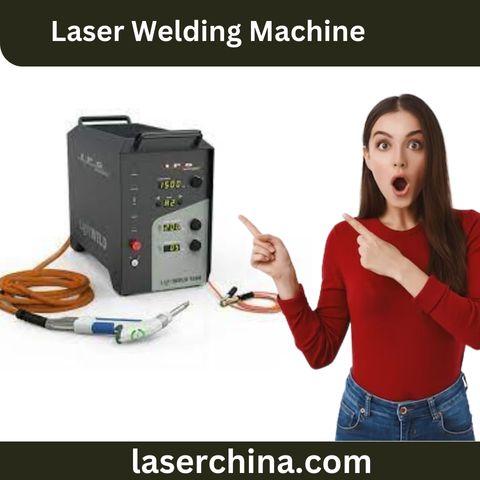
Metal fabrication continues to evolve with advanced technologies that improve production quality, accuracy, and efficiency. A laser welding and cutting machine combines modern laser technology to support metal processing tasks, helping manufacturers handle different materials and fabrication requirements with greater precision. From industrial workshops to large manufacturing facilities, laser-based equipment is becoming an important part of metalworking operations.
Understanding Laser Welding and Cutting Technology
Laser welding and cutting use concentrated laser energy to process metal surfaces. In laser cutting, a powerful laser beam melts or vaporizes material along a defined path, creating precise cuts according to the programmed design. This technology is commonly used for stainless steel, carbon steel, aluminum, and other compatible metals.
Laser welding uses focused energy to join metal components together. The laser creates a localized heating area that melts the material, allowing two metal pieces to form a strong connection after cooling. Both processes are widely applied in fabrication, engineering, automotive production, and metal manufacturing.
A laser welding and cutting machine provides manufacturers with a modern approach to handling different metalworking operations while supporting consistent production standards.
Applications Across Different Industries
Laser processing equipment is used in a wide range of industries because metal components require different shapes, sizes, and joining methods. Automotive manufacturers use laser cutting for metal panels, brackets, and structural components. Welding applications include joining metal parts used in vehicle assemblies and machinery.
Furniture manufacturing also uses laser cutting to produce decorative metal designs, frames, brackets, and customized components. In construction and engineering workshops, laser technology helps fabricate metal structures, equipment parts, and various industrial products.
Manufacturers producing stainless steel kitchen equipment, electrical enclosures, metal cabinets, and decorative products can also incorporate laser processing into their production workflows.
How to Choose the Right Equipment
Choosing suitable laser equipment requires understanding your production requirements. Material thickness, metal type, cutting dimensions, welding applications, and production volume should all be considered before making a purchasing decision.
Manufacturers should evaluate laser power according to the materials they regularly process. Cutting requirements may differ significantly from welding requirements, so it is important to understand the intended applications of the equipment.
Software compatibility, machine controls, maintenance support, operator training, and safety systems are also important considerations. Proper installation and training help operators use laser equipment responsibly and maintain reliable production operations.
Improving Production Workflow
Laser technology can help businesses organize their metalworking processes more effectively. Computer-controlled operations allow manufacturers to work with programmed designs, helping reduce unnecessary manual adjustments during production.
Integrating laser equipment into a workshop can also support customized manufacturing. Businesses may produce different metal shapes, components, and assemblies according to customer specifications without relying entirely on traditional processing methods.
Regular maintenance, appropriate operating procedures, and proper workspace safety arrangements are essential for maintaining equipment performance and supporting long-term production requirements.
Final Thoughts
Modern metal fabrication requires equipment capable of handling precision, flexibility, and demanding production tasks. A laser welding and cutting machine offers manufacturers a practical way to incorporate laser technology into cutting and joining processes across various industries. By evaluating material requirements, production goals, machine specifications, and safety considerations, businesses can make informed decisions when upgrading their metalworking operations. Investing in suitable laser equipment can help workshops adapt to changing manufacturing demands and explore new fabrication opportunities.

 English
 Arabic
 French
 Spanish
 Portuguese
 Deutsch
 Turkish
 Italiano
 Russian
 Romaian
 Portuguese (Brazil)
 Greek