


How Does a Laser Rust Cleaner Remove Rust from Metal Surfaces
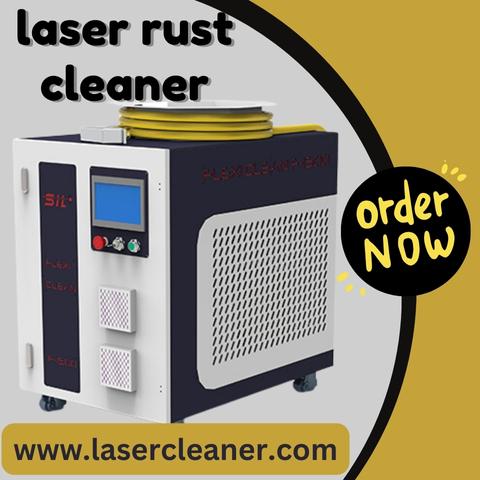
Rust is a common problem in metalworking, manufacturing, automotive industries, and industrial maintenance. When metal surfaces remain exposed to moisture, oxygen, and harsh environmental conditions, corrosion gradually develops. Removing rust effectively is essential for maintaining equipment quality, protecting metal components, and preparing surfaces for further processing. A laser rust cleaner offers a modern approach to removing rust through controlled laser energy.
This technology uses focused laser beams to target unwanted rust, oxidation, paint, and other surface contaminants. The laser energy interacts with the rust layer, helping separate it from the underlying metal without relying on traditional chemical cleaning solutions or abrasive materials.
How Does Laser Rust Cleaning Work?
Laser cleaning machines operate by directing a concentrated beam onto the affected surface. The laser energy heats and removes unwanted contaminants through a process known as laser ablation. Different materials respond differently to laser energy, allowing operators to adjust cleaning parameters according to the surface condition and material type.
Before starting the process, operators generally select suitable settings such as laser power, scanning speed, and pulse frequency. These adjustments help achieve consistent cleaning results while reducing the possibility of damaging the original metal surface.
A laser rust cleaner can be used on various metal components, including steel structures, automotive parts, industrial equipment, metal tools, and manufacturing components. Its performance depends on the rust thickness, material composition, and selected operating parameters.
Applications Across Different Industries
Laser rust removal technology has become increasingly relevant in industries where metal surface preparation is an important part of daily operations.
In automotive workshops, laser cleaning can help remove corrosion from vehicle components, metal frames, and restoration parts. Manufacturing facilities can use this process to prepare metal surfaces before welding, coating, or additional production activities.
The technology is also useful in shipbuilding, construction, machinery maintenance, and metal fabrication. Industrial equipment exposed to moisture and demanding working environments often requires regular cleaning to maintain its condition.
For restoration projects, laser cleaning provides a controlled method for treating selected metal surfaces, especially when preserving the original material is important.
Choosing the Right Laser Rust Cleaning Machine
Selecting suitable equipment requires understanding the type of materials and cleaning tasks involved. Different machines offer different laser power levels, operating modes, and scanning capabilities.
For light surface oxidation and smaller cleaning projects, lower-power equipment may be sufficient. However, larger industrial applications involving thicker corrosion layers may require higher-power systems.
Buyers should also consider the machine's cooling system, operating interface, scanning head, maintenance requirements, and available technical support. Evaluating these factors helps businesses choose equipment that matches their production requirements.
A reliable laser rust cleaner should provide adjustable operating parameters so users can handle different cleaning conditions with greater control and consistency.
Safe Operation and Maintenance
Proper handling is essential when working with industrial laser equipment. Operators should receive appropriate training and follow the manufacturer's operating instructions.
Laser safety glasses suitable for the machine's specific wavelength, protective enclosures, warning signs, and controlled working areas are important safety considerations. Appropriate fume extraction and ventilation should also be provided because removing rust, coatings, or other contaminants can produce hazardous airborne particles.
Regular maintenance helps maintain equipment performance. Users should inspect optical components, clean the protective lens according to manufacturer instructions, check cooling systems, and keep the machine in a suitable working environment.
Final Thoughts
Laser cleaning technology provides modern industries with a practical approach to metal surface preparation and corrosion removal. Its controlled cleaning process makes it suitable for various applications, from automotive restoration to heavy industrial maintenance. Choosing the right laser rust cleaner requires evaluating material types, cleaning requirements, machine specifications, and workplace safety arrangements. With suitable equipment and trained operators, businesses can improve their metal cleaning processes and maintain more consistent surface preparation results

 English
 Arabic
 French
 Spanish
 Portuguese
 Deutsch
 Turkish
 Dutch
 Italiano
 Romaian
 Portuguese (Brazil)
 Greek