


Future Scope and Strategic Developments in the Graph Analytics Market
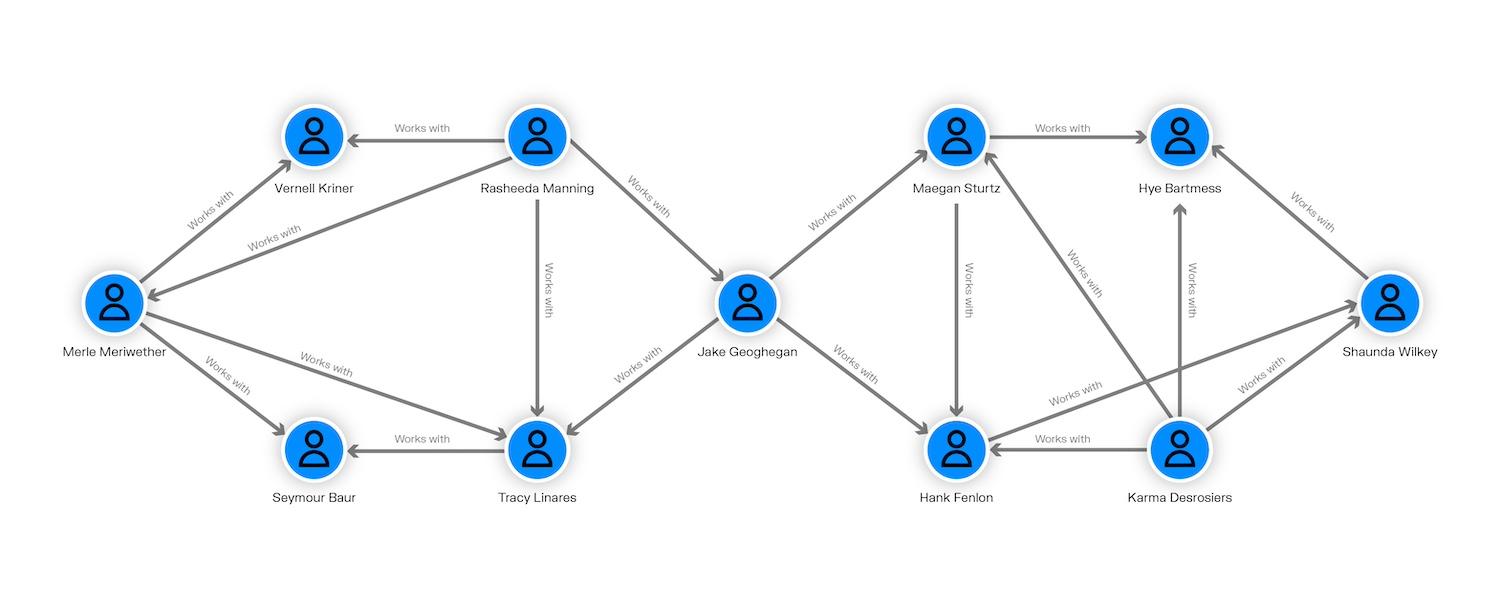
Strategic rivalry shapes market development as vendors compete for enterprise graph analytics investments actively. Graph Analytics Market Competitive Landscape analysis reveals distinct strategic groups pursuing varied approaches to customer acquisition effectively. Technology differentiation through performance excellence creates sustainable advantages for innovation-focused solution providers consistently. The Graph Analytics Market size is projected to grow USD 23.68 Billion by 2035, exhibiting a CAGR of 17.47% during the forecast period 2025-2035. Platform comprehensiveness strategies emphasize end-to-end graph lifecycle support across diverse use cases and industries. Developer experience focus creates competitive advantages through superior query languages and development tooling features.
Key market participants include specialized graph vendors and comprehensive data platform providers competing actively globally. Oracle provides graph analytics within broader database platform offerings serving enterprise customers comprehensively throughout markets. DataStax delivers graph capabilities through distributed database platform for enterprise application development effectively. ArangoDB offers multi-model database including graph functionality for flexible data modeling requirements substantially. JanusGraph provides open-source distributed graph database enabling scalable relationship analysis deployments extensively.
Strategic initiatives reveal competitive priorities and anticipated market development directions among leading participants clearly. Research investment focuses on graph neural network integration and advanced algorithm development continuously throughout platforms. Partner ecosystem expansion extends solution value through pre-built integrations with analytics applications broadly. Geographic market development targets international expansion opportunities in high-growth enterprise analytics regions actively.
Competitive response patterns create innovation cycles benefiting customers through continuous capability enhancement delivery substantially. Feature development races reduce differentiation sustainability requiring ongoing investment in advanced capabilities continuously throughout markets. Pricing model innovation including consumption-based and managed service approaches creates competitive dynamics beyond functionality considerations. Acquisition strategies consolidate market position while adding capabilities addressing emerging customer requirements effectively.
Top Trending Reports -
Canada Smart Infrastructure Market

 English
 Arabic
 Spanish
 Portuguese
 Deutsch
 Turkish
 Dutch
 Italiano
 Russian
 Romaian
 Portuguese (Brazil)
 Greek