


Snagging Guide for Buyers to Ensure Quality Homes
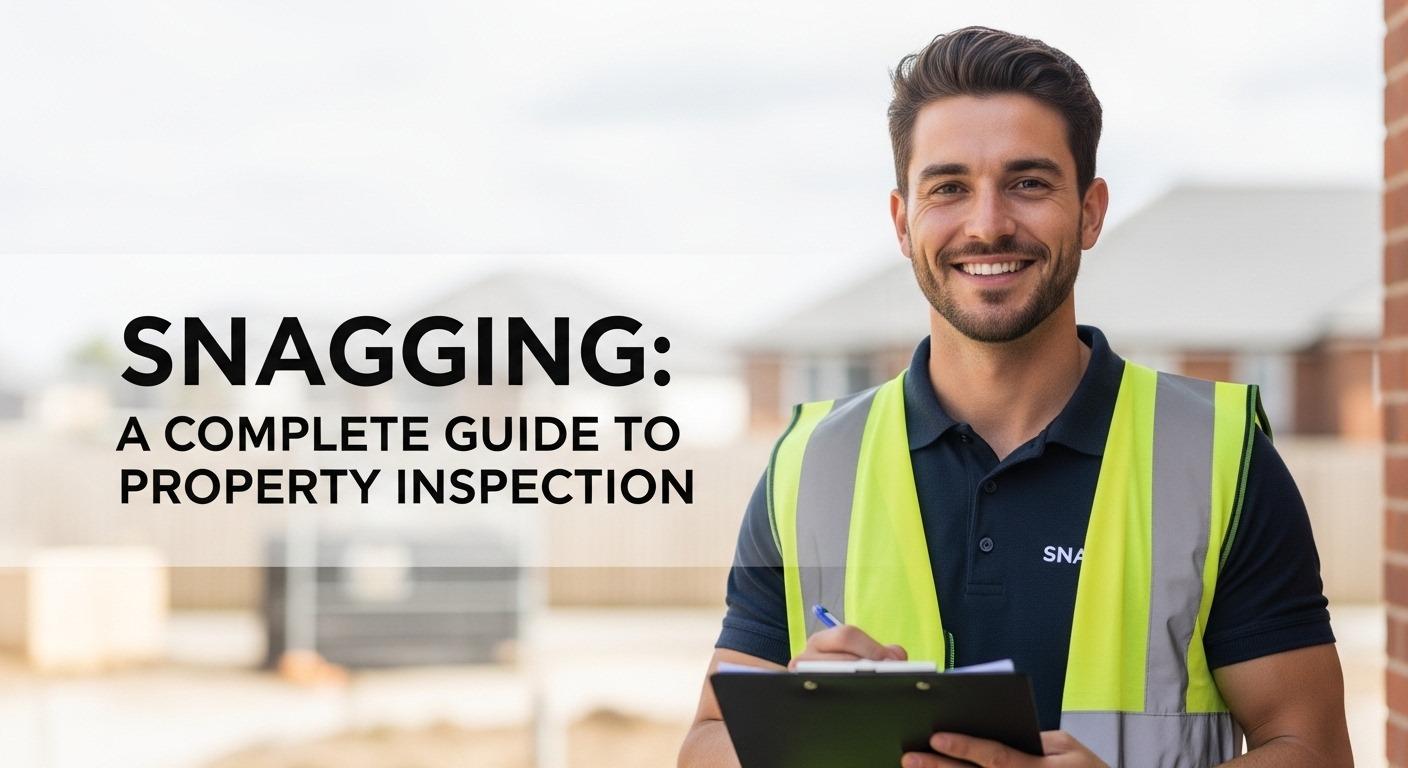
Buying a property is a major milestone, filled with excitement and anticipation. Whether you are purchasing a newly built home or a renovated property, you naturally expect everything to be flawless. However, even the most well-constructed properties can have defects, unfinished work, or quality issues that are not immediately visible. This is where snagging becomes a crucial step in the property buying journey.
Snagging is the process of identifying faults, defects, or incomplete work in a property. It helps ensure that the property is delivered according to the agreed standards and is ready for comfortable living. By carrying out snagging, buyers can avoid future problems and protect their investment.
What Is Snagging?
Snagging refers to a detailed inspection carried out to detect issues in a property. These issues, known as snags, can range from minor cosmetic imperfections to more serious problems involving structural elements, plumbing, or electrical systems.
Once the inspection is complete, all defects are listed in a snag list. This document is shared with the builder or developer so they can fix the issues before the buyer fully takes possession of the property. The goal of snagging is to ensure that everything in the property meets expected quality standards.
Why Snagging Is Important
Ensures High Standards
Even experienced builders may overlook small details during construction. Snagging ensures that all aspects of the property meet the required standards.
Detects Hidden Defects
Some problems are not visible during a basic inspection. Snagging helps uncover hidden issues that could affect safety and functionality.
Prevents Future Costs
Fixing defects after moving in can be expensive. Snagging allows these issues to be resolved early, saving time and money.
Provides Peace of Mind
Knowing that your property has been carefully inspected gives you confidence and reduces stress.
Common Snagging Issues
During a snagging inspection, several types of problems are commonly found:
- Uneven paintwork or poor finishing
- Cracks in walls or ceilings
- Doors and windows that do not align properly
- Electrical faults or loose fittings
- Plumbing leaks or drainage problems
- Loose or damaged fixtures
- Uneven flooring or tiles
- Incomplete installations
Identifying these issues early ensures they are fixed before they become major concerns.
The Snagging Process
Snagging involves a detailed and systematic inspection of the entire property. Each area is checked carefully to ensure it meets quality standards.
Interior Inspection
Walls, ceilings, and floors are examined for cracks, uneven surfaces, and finishing defects.
Fixtures and Fittings
Doors, windows, cabinets, and handles are checked for proper installation and functionality.
Electrical Systems
Switches, sockets, and lighting fixtures are tested to ensure they are safe and working correctly.
Plumbing Systems
Pipes, taps, and drainage systems are inspected for leaks, blockages, and proper water flow.
Exterior Areas
Balconies, roofs, and external walls are checked for damage or incomplete work.
All identified issues are documented in a snag list, which helps guide repairs.
When Should Snagging Be Done?
The ideal time to carry out snagging is before the final handover of the property. This allows the builder to fix all defects before you move in.
In some cases, snagging can also be done after moving in if new issues arise. However, early inspection is always recommended for the best results.
Professional vs DIY Snagging
Self Snagging
Some buyers prefer to inspect the property themselves. This approach can help identify visible issues but may miss hidden defects.
Professional Snagging
Hiring a professional ensures a more thorough inspection. Experts have the experience and tools needed to detect all types of issues.
A professional snagging report also makes it easier to communicate with the developer and request necessary repairs.
Benefits of Snagging
Better Quality Assurance
Snagging ensures that your property meets expected standards before handover.
Reduced Stress
Identifying and resolving issues early prevents future inconvenience.
Stronger Position with Developers
A detailed snag list helps you request repairs effectively.
Long-Term Savings
Fixing defects early helps avoid costly repairs later.
Tips for Effective Snagging
- Inspect the property thoroughly before finalizing the purchase
- Check all areas, including hidden spaces
- Ensure utilities are functioning during inspection
- Record all defects clearly
- Follow up with the builder until all issues are resolved
These steps help ensure a successful snagging process.
FAQs
What is snagging in property?
Snagging is the process of identifying defects or unfinished work in a property before or after handover.
Is snagging only for new properties?
No, it can also be useful for renovated or older properties.
Can I do snagging myself?
You can perform a basic inspection, but professional snagging is more thorough.
What happens after snagging?
The snag list is shared with the builder, who is responsible for fixing the issues.
Conclusion
Snagging is an essential step in the property buying process that ensures your home is delivered in the best possible condition. It helps identify defects, maintain quality standards, and protect your investment. By addressing issues before moving in, you can avoid unnecessary stress and unexpected expenses.
Whether you are purchasing a new property or reviewing a renovated one, snagging provides clarity and confidence. Taking the time to carry out a thorough snagging process ensures that your property is safe, functional, and ready for comfortable living.

 English
 Arabic
 French
 Spanish
 Portuguese
 Deutsch
 Turkish
 Italiano
 Russian
 Romaian
 Portuguese (Brazil)
 Greek