

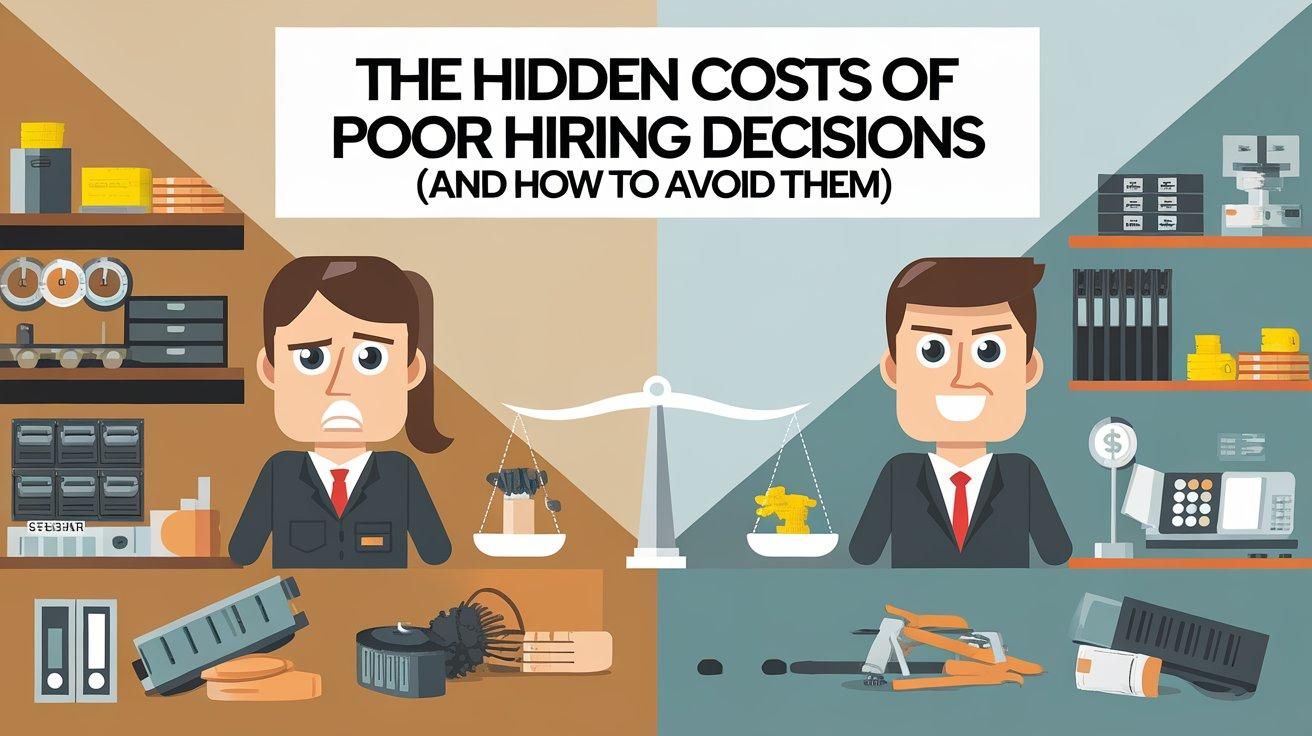
The Hidden Costs of Poor Hiring Decisions (And How to Avoid Them)
Hiring the right person can move a business forward. Hiring the wrong one can quietly pull it backward. While most companies focus on filling positions quickly, few fully understand the long-term impact of poor hiring decisions. These mistakes often go beyond visible costs and create ripple effects that damage productivity, morale, and overall growth.
At first glance, a bad hire may seem like a simple misstep—something that can be corrected by replacing the employee. But in reality, the consequences are layered and often hidden beneath the surface. Understanding these hidden costs is the first step toward building a smarter, more resilient hiring strategy.
The Illusion of a “Quick Fix”
Many organizations rush to fill roles when there is an urgent need. Deadlines are tight, workloads are increasing, and teams are stretched thin. In such situations, speed often takes priority over quality.
This approach creates an illusion of progress. A position gets filled, pressure decreases temporarily, and operations continue. However, if the candidate is not the right fit, the problem doesn’t disappear—it simply evolves into something more complex and costly over time.
A rushed decision today can lead to months of inefficiency, frustration, and lost opportunities.
The Financial Impact You Don’t Always See
The most obvious cost of a bad hire is financial. Recruitment expenses, onboarding costs, and training investments all go into bringing a new employee on board. When that hire fails, these costs are essentially wasted.
But the real financial impact goes deeper. Poor performance can lead to missed deadlines, lower quality output, and dissatisfied clients. These issues can directly affect revenue and damage business relationships.
Additionally, replacing an employee requires repeating the entire hiring process, doubling the initial investment. Over time, these repeated costs can significantly strain a company’s budget.
Productivity Loss Across the Team
A poor hiring decision doesn’t just affect one role—it impacts the entire team. When an employee underperforms, others often have to step in to fill the gaps. This creates an imbalance in workload and reduces overall efficiency.
Team members may spend extra time correcting mistakes, providing guidance, or managing additional responsibilities. This not only slows down progress but also diverts focus from their own tasks.
The result is a ripple effect where productivity declines across multiple levels of the organization.
The Silent Damage to Team Morale
One of the most overlooked consequences of a bad hire is its effect on team morale. Employees notice when someone is not contributing effectively or disrupting the workflow.
Over time, this can lead to frustration, resentment, and disengagement. High-performing employees may feel undervalued if they constantly have to compensate for others. In some cases, this dissatisfaction can lead to increased turnover among your best talent.
A single poor hiring decision can quietly weaken the culture of an entire team.
Impact on Company Reputation
In today’s connected world, reputation matters more than ever. Employees, clients, and stakeholders all form opinions based on their experiences with a company.
A bad hire, especially in a client-facing role, can negatively impact customer relationships. Poor communication, missed expectations, or unprofessional behavior can damage trust and credibility.
Internally, a pattern of poor hiring decisions can also affect how the company is perceived as an employer. This makes it harder to attract high-quality candidates in the future.
Time: The Most Valuable Resource Lost
Time is one of the most valuable assets in any organization. Unfortunately, it is also one of the biggest casualties of poor hiring decisions.
Managers spend time interviewing, onboarding, and training employees. When a hire doesn’t work out, all that time is lost. Additionally, more time is spent managing performance issues, addressing conflicts, and eventually restarting the hiring process.
This lost time could have been invested in growth, innovation, and strategic initiatives.
Where It All Goes Wrong
Poor hiring decisions rarely happen by accident. They are usually the result of gaps in the recruitment process.
Common issues include:
- Unclear job descriptions
- Rushed interviews
- Overreliance on resumes instead of skills
- Lack of structured evaluation methods
- Ignoring cultural fit
When these factors combine, the chances of making the wrong decision increase significantly.
This is why modern organizations are turning to Talent Curation as a more strategic approach. Instead of reacting to immediate needs, they build and maintain a pool of pre-evaluated candidates who align with their long-term goals.
The Cost of Ignoring Cultural Fit
Skills and experience are important, but they are not the only factors that determine success. Cultural fit plays a crucial role in how well an employee integrates into a team.
A candidate may have the right qualifications but still struggle to adapt to the company’s work environment. Differences in communication style, values, or work ethic can create friction.
Over time, this misalignment can lead to conflicts, reduced collaboration, and lower job satisfaction.
Hiring for cultural fit doesn’t mean hiring similar personalities—it means finding individuals who align with the organization’s core values and can thrive within its environment.
How to Avoid Costly Hiring Mistakes
Avoiding poor hiring decisions requires a proactive and structured approach. Companies must move beyond traditional methods and adopt strategies that prioritize quality over speed.
1. Define Clear Role Requirements
Start with a clear understanding of what the role requires. This includes not only technical skills but also soft skills, responsibilities, and expected outcomes.
2. Use Structured Interview Processes
Standardized interviews help ensure consistency and fairness. Asking the same set of questions to all candidates allows for better comparison and evaluation.
3. Focus on Skills-Based Assessments
Instead of relying solely on resumes, use practical tests or real-world scenarios to evaluate a candidate’s abilities. This provides a more accurate picture of their potential.
4. Build a Talent Pipeline
Don’t wait until a position opens. Continuously engage with potential candidates and maintain a pool of qualified individuals. This reduces pressure during urgent hiring needs.
5. Prioritize Candidate Experience
A positive hiring process reflects well on the company and attracts better talent. Clear communication and transparency go a long way in building trust.
6. Involve the Right Stakeholders
Hiring decisions should not be made in isolation. Involving team members and stakeholders ensures a more balanced and informed decision.
The Long-Term Value of Getting It Right
While avoiding bad hires is important, the real goal is to consistently make the right ones. A strong hiring strategy doesn’t just prevent losses—it creates value.
The right employees contribute to innovation, strengthen team dynamics, and drive business growth. They align with the company’s vision and help build a positive work culture.
Investing time and resources into improving hiring processes may seem costly upfront, but it pays off in the long run.
A Smarter Way Forward
The future of hiring is not about filling roles quickly—it’s about building sustainable systems that support long-term success. Companies that recognize the hidden costs of poor hiring decisions are better equipped to avoid them.
By focusing on strategy, structure, and continuous improvement, organizations can turn hiring into a competitive advantage.
Every hiring decision shapes the future of a business. Making the right choices today ensures stronger, more resilient growth tomorrow.
Conclusion
Poor hiring decisions come with costs that go far beyond what appears on the surface. From financial losses to reduced morale and damaged reputation, the impact can be significant and long-lasting.
However, these challenges are not unavoidable. With the right strategies, tools, and mindset, companies can minimize risks and build stronger teams.
In the end, hiring is not just about filling a position—it’s about shaping the future of your organization. Making thoughtful, informed decisions is the key to unlocking long-term success.

 English
 French
 Spanish
 Portuguese
 Deutsch
 Turkish
 Dutch
Dutch
 Italiano
 Russian
 Romaian
 Portuguese (Brazil)
 Greek
Greek