


Formaldehyde Production Cost Analysis: Key Factors Influencing Manufacturing
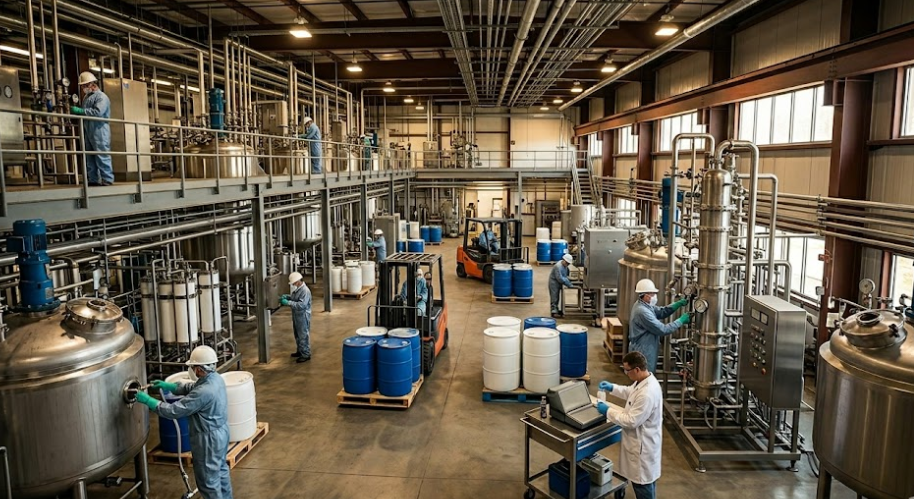
Understanding formaldehyde production cost analysis has become increasingly important for chemical manufacturers, procurement teams, investors, and industrial planners. As global demand for formaldehyde-based resins, plastics, construction materials, and automotive components continues to rise, manufacturers are under growing pressure to optimize operational efficiency and control production expenses.
In recent years, industrial producers have also faced multiple challenges, including volatile methanol prices, fluctuating energy costs, supply chain disruptions, and tightening environmental regulations. These factors significantly affect the cost of producing formaldehyde and influence investment decisions across the chemical industry.
For stakeholders involved in manufacturing economics and industrial production planning, detailed cost intelligence is essential for evaluating profitability, plant competitiveness, and long-term operational sustainability.
Overview of Formaldehyde Manufacturing
Formaldehyde is one of the most widely used industrial chemicals globally. It is primarily utilized in the production of:
- Urea-formaldehyde resins
- Phenol-formaldehyde resins
- Melamine resins
- Adhesives and coatings
- Automotive components
- Textile finishing chemicals
Industrial Production Process
Commercial formaldehyde production is mainly based on the catalytic oxidation of methanol. The two most common industrial technologies are:
- Silver catalyst process
- Metal oxide catalyst process (Formox process)
Among these, the Formox process is widely preferred due to its higher efficiency and lower by-product formation.
Basic Manufacturing Flow
The standard formaldehyde manufacturing process generally includes:
- Methanol vaporization
- Air mixing
- Catalytic oxidation
- Heat recovery
- Absorption in water
- Product purification and storage
The reaction converts methanol into formaldehyde under controlled temperature and catalytic conditions. The process also generates heat, which can be recovered to improve overall plant energy efficiency.
Production efficiency, catalyst performance, and energy optimization directly impact formaldehyde manufacturing cost and plant profitability.
Key Raw Materials and Inputs
Raw material selection and feedstock pricing play a central role in formaldehyde production cost analysis.
Methanol as Primary Feedstock
Methanol is the primary raw material used in formaldehyde production and typically represents the largest share of variable operating costs. Since methanol prices are strongly linked to natural gas markets and global energy trends, any fluctuation in feedstock pricing directly affects formaldehyde manufacturing economics.
Regions with low-cost natural gas availability often benefit from more competitive methanol production, which improves downstream formaldehyde plant economics.
Catalysts
Industrial formaldehyde plants rely on catalysts such as:
- Silver-based catalysts
- Iron-molybdenum oxide catalysts
Catalyst efficiency influences:
- Conversion rates
- Energy consumption
- Product yield
- Maintenance frequency
Although catalyst expenses account for a smaller percentage of total cost, catalyst performance significantly impacts operational efficiency.
Energy and Utilities
Energy consumption remains a critical component of industrial production cost. Major utility requirements include:
- Steam generation
- Electricity
- Cooling water
- Process air compression
Energy-intensive operations become particularly vulnerable during periods of fuel price volatility or electricity shortages.
Efficient heat integration systems and energy recovery technologies can substantially reduce operating expenses in large-scale formaldehyde manufacturing plants.
Major Cost Drivers in Production
Several factors influence the overall cost of producing formaldehyde across industrial facilities.
Raw Material Costs
Methanol pricing remains the single most influential variable in formaldehyde production economics. Sudden feedstock price increases can significantly compress manufacturer margins, especially in highly competitive export markets.
Raw material procurement strategies, long-term supply agreements, and regional feedstock access therefore play an important role in cost management.
Energy Consumption
Energy costs vary depending on:
- Natural gas prices
- Electricity tariffs
- Plant efficiency
- Utility infrastructure
Manufacturers operating in regions with stable and low-cost energy supplies generally achieve better production economics.
Labor and Maintenance
Operational labor, technical staffing, and plant maintenance contribute to fixed operating costs. Advanced automation systems can help reduce labor intensity while improving process consistency and safety performance.
Maintenance costs also depend on:
- Catalyst replacement frequency
- Equipment reliability
- Corrosion management
- Environmental compliance requirements
Transportation and Logistics
Transportation expenses affect both feedstock sourcing and product distribution. Since formaldehyde solutions require careful handling and storage, logistics infrastructure becomes an important factor in regional cost competitiveness.
Proximity to downstream resin and chemical manufacturing hubs can reduce overall supply chain expenses.
Regional Cost Differences
Formaldehyde plant cost structures vary significantly across global regions due to differences in energy economics, environmental regulations, and industrial infrastructure.
North America
North America benefits from relatively competitive natural gas pricing, particularly in the United States. This supports lower methanol production costs and enhances regional formaldehyde manufacturing competitiveness.
The region also has mature chemical infrastructure and advanced process technologies.
Middle East
The Middle East remains one of the most cost-advantaged regions due to abundant hydrocarbon resources and low feedstock costs. Large-scale integrated petrochemical facilities further improve manufacturing efficiency.
However, export dependency and transportation costs may influence final product economics.
Asia-Pacific
Asia-Pacific is a major production and consumption hub for formaldehyde. Countries such as China and India have extensive downstream demand from construction, furniture, and automotive sectors.
Regional production costs can vary widely depending on:
- Coal versus gas-based methanol production
- Energy pricing policies
- Environmental compliance standards
Europe
European manufacturers face comparatively higher operating costs due to:
- Strict environmental regulations
- Elevated energy prices
- Carbon reduction policies
Despite these challenges, Europe maintains strong competitiveness through technological innovation, process efficiency, and specialty chemical integration.
Impact of Market Trends on Production Economics
The global chemical industry is undergoing structural transformation driven by sustainability goals and evolving industrial policies.
Green Manufacturing Initiatives
Manufacturers are increasingly investing in:
- Energy-efficient technologies
- Emission reduction systems
- Waste heat recovery
- Carbon capture integration
These investments may increase short-term capital expenditure but can improve long-term operational efficiency and regulatory compliance.
Decarbonization Pressure
Environmental regulations are encouraging chemical producers to reduce carbon intensity across manufacturing operations. As a result, companies are evaluating alternative feedstocks and cleaner production technologies.
Carbon pricing mechanisms and sustainability reporting requirements are also influencing formaldehyde plant economics in several regions.
Energy Transition
The global energy transition is reshaping industrial production cost structures. Renewable electricity integration and lower-emission process technologies may gradually influence future formaldehyde manufacturing strategies.
At the same time, ongoing energy market volatility continues to create uncertainty in production planning and operational budgeting.
Why Detailed Production Cost Intelligence Matters
Comprehensive production cost analysis plays a critical role in strategic decision-making across the chemical industry.
Manufacturers rely on cost intelligence for:
- Evaluating plant feasibility
- Benchmarking operating performance
- Identifying process optimization opportunities
- Supporting procurement planning
- Assessing investment risks
Detailed industrial production cost assessments also help investors understand long-term profitability potential and market competitiveness.
For procurement teams, accurate raw material cost analysis enables better supplier negotiations and supply chain risk management.
Formaldehyde Production Cost Report and Industry Insights
A comprehensive Formaldehyde Production Cost Report provides detailed insights into manufacturing economics, including raw material consumption, process technology evaluation, capital investment requirements, operating expenditure analysis, utility consumption, and profitability assessment.
Such reports are widely used by:
- Chemical manufacturers
- Project developers
- Procurement specialists
- Investment analysts
- Industrial consultants
Detailed production cost intelligence helps stakeholders evaluate manufacturing feasibility, optimize operational strategies, and better understand the cost structure of industrial chemical production.
The report also supports informed decision-making related to plant expansion, regional investment planning, and long-term procurement strategies in the global formaldehyde market.
Final
As industrial markets become increasingly competitive, understanding formaldehyde production cost is essential for maintaining operational efficiency and long-term profitability.
Factors such as methanol pricing, energy costs, catalyst efficiency, logistics infrastructure, and environmental regulations all play a significant role in shaping formaldehyde manufacturing economics.
In a market environment characterized by energy volatility, sustainability pressures, and evolving supply chain dynamics, data-driven production cost analysis has become a critical tool for manufacturers, investors, and procurement professionals.

 English
 Arabic
 French
 Spanish
 Portuguese
 Deutsch
 Turkish
 Dutch
Dutch
 Italiano
 Russian
 Romaian
 Greek
Greek