


Complete Property Inspection Guide for Smart Buyers
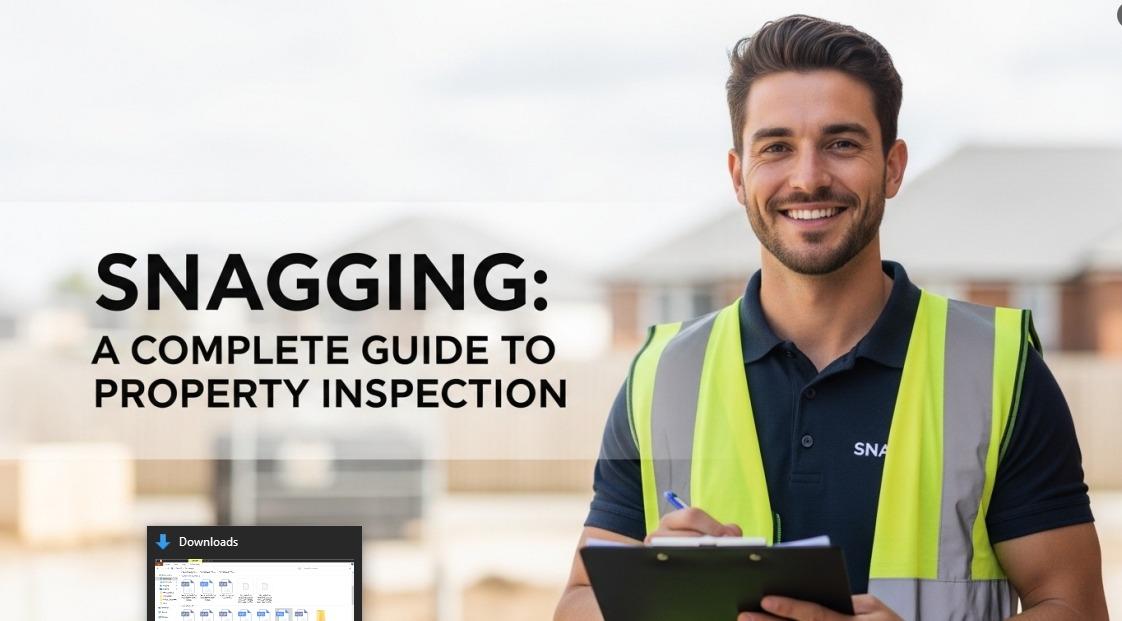
Property inspection plays an important role in the real estate process. Whether someone is purchasing a home, renting a property, or preparing a building for sale, a detailed inspection helps identify hidden problems and protects the value of the investment. A property may appear attractive from the outside, but deeper issues can exist within the structure, plumbing, roofing, electrical systems, or foundation.
A professional property inspection gives buyers and property owners a clear understanding of the overall condition of a building. It helps prevent unexpected repairs and supports better decision making. In today’s real estate market, property inspections have become a trusted step for anyone who wants confidence before signing an agreement.
What Is Property Inspection
Property inspection is a complete examination of a residential or commercial building. The purpose is to evaluate the physical condition of the property and identify any visible concerns that may affect safety, comfort, or value.
During an inspection, different parts of the property are checked carefully. This may include the roof, walls, floors, ceilings, plumbing systems, electrical wiring, doors, windows, drainage, and ventilation. The inspector looks for signs of damage, leaks, cracks, mold, poor maintenance, or structural weaknesses.
The final inspection report helps property buyers understand the current condition of the building and decide whether repairs or negotiations are needed before completing the deal.
Why Property Inspection Is Important
Property inspection is important because it reduces risk and increases confidence during property transactions. Buying a property without proper inspection can lead to expensive surprises later.
Here are some major reasons why property inspection matters:
Protects Your Investment
Real estate is a major financial commitment. An inspection ensures the property is worth the asking price and does not contain serious hidden issues.
Helps Identify Structural Problems
Cracks in walls, damaged foundations, weak roofing, and water damage may not always be visible during a casual visit. An inspection helps uncover these concerns early.
Improves Safety
Faulty electrical wiring, gas leaks, poor ventilation, and damaged stairs can create safety hazards. Property inspection helps identify conditions that may put residents at risk.
Supports Better Negotiation
If the inspection reveals issues, buyers can request repairs or negotiate the purchase price. This creates a fairer transaction for both parties.
Prevents Future Expenses
Detecting problems before purchase can save money on future maintenance and emergency repairs.
Types of Property Inspection
Different inspections are available depending on the property type and the buyer’s needs.
Residential Property Inspection
This inspection focuses on houses, apartments, and residential buildings. It checks structural condition, utilities, and general maintenance.
Commercial Property Inspection
Commercial inspections evaluate office buildings, warehouses, retail spaces, and industrial properties. These inspections are often more detailed due to the complexity of commercial systems.
Pre Purchase Inspection
A pre purchase inspection is completed before buying a property. It helps buyers understand the condition of the property before finalizing the deal.
Pre Sale Inspection
Property owners may arrange an inspection before listing a property for sale. This allows them to fix problems in advance and improve buyer confidence.
Rental Property Inspection
Landlords and tenants use rental inspections to document the condition of a property before and after occupancy.
Areas Covered During Property Inspection
A complete property inspection includes several important areas of the building.
Roof and Exterior
Inspectors check roof condition, drainage systems, gutters, siding, and exterior walls. They look for leaks, missing materials, and weather damage.
Foundation and Structure
The structural integrity of the building is carefully examined. Cracks, uneven flooring, and foundation movement can indicate serious concerns.
Plumbing System
Pipes, faucets, water pressure, drainage, and signs of leakage are inspected to ensure proper functionality.
Electrical System
The inspector evaluates wiring, outlets, circuit panels, and electrical safety features to identify hazards or outdated systems.
Interior Areas
Walls, ceilings, flooring, doors, windows, and staircases are checked for damage, moisture, or poor construction quality.
Heating and Cooling Systems
Ventilation, heating units, and cooling systems are inspected to ensure efficiency and proper operation.
Common Problems Found During Property Inspection
Property inspections often reveal issues that buyers may overlook during regular visits.
Some common findings include:
- Roof leaks and damaged shingles
- Plumbing leaks and blocked drainage
- Faulty electrical wiring
- Cracked foundations
- Mold and moisture damage
- Poor insulation
- Pest infestations
- Broken windows or doors
- Ventilation problems
- Water damage in walls or ceilings
Identifying these problems early allows buyers to plan repairs or reconsider the purchase if necessary.
Benefits of Hiring a Professional Property Inspector
Hiring a professional property inspector provides accurate information and expert evaluation. Experienced inspectors understand building systems and know where hidden issues are likely to appear.
Expert Knowledge
Professional inspectors have training and experience in identifying property defects and maintenance concerns.
Detailed Inspection Reports
Most inspectors provide written reports explaining findings, repair recommendations, and safety concerns.
Saves Time and Stress
Buyers gain peace of mind by knowing the actual condition of the property before making a commitment.
Supports Legal Protection
Inspection reports can serve as documentation during negotiations or disputes related to property condition.
Tips for a Successful Property Inspection
A successful property inspection requires preparation and attention to detail.
Attend the Inspection
If possible, buyers should attend the inspection to ask questions and understand the inspector’s observations directly.
Review the Report Carefully
Take time to read the inspection report thoroughly and discuss unclear findings with the inspector.
Focus on Major Issues
Minor cosmetic flaws are common, but major structural or safety issues require serious consideration.
Compare Repair Costs
If problems are discovered, estimate repair costs before making final decisions.
Choose a Qualified Inspector
Work with a trusted and experienced property inspector for accurate results and reliable reporting.
Property Inspection for Home Buyers
For home buyers, property inspection offers confidence during one of life’s biggest investments. It helps ensure the property is safe, functional, and free from major defects.
Buyers should never rely only on appearance or seller statements. Even newly built homes can contain hidden construction problems. A proper inspection allows buyers to move forward with greater peace of mind and financial security.
Property Inspection for Sellers
Sellers can also benefit from property inspection. A pre sale inspection helps identify issues before buyers discover them. This allows sellers to make repairs, improve property value, and avoid delays during negotiations.
Properties with inspection reports often create stronger buyer trust and smoother transactions.
FAQs About Property Inspection
What is the purpose of a property inspection?
The purpose of a property inspection is to evaluate the condition of a property and identify visible defects, safety concerns, or maintenance issues before a sale or rental agreement.
Is property inspection necessary before buying a home?
Yes, property inspection is highly important before purchasing a home because it helps buyers avoid hidden repair costs and unexpected problems.
How long does a property inspection take?
The time depends on the size and condition of the property. Larger or older properties may require more detailed inspections.
Can a property fail an inspection?
A property does not officially fail an inspection, but serious issues may influence a buyer’s decision or require repairs before purchase.
What should buyers look for in an inspection report?
Buyers should focus on structural damage, roofing issues, plumbing concerns, electrical problems, water damage, and safety hazards.
Do new properties need inspection?
Yes, even newly constructed properties should be inspected because construction defects or installation mistakes can still occur.
Conclusion
Property inspection is an essential step in buying, selling, or maintaining real estate. It provides valuable insight into the condition of a property and helps people make informed decisions with confidence. From identifying hidden defects to improving safety and preventing costly repairs, property inspection offers long term benefits for both buyers and sellers.
A careful inspection can protect your investment, reduce stress, and ensure the property meets your expectations before any agreement is finalized. Whether you are purchasing your first home or managing commercial property, professional property inspection remains one of the smartest decisions in the real estate process.

 Arabic
 French
 Spanish
 Portuguese
 Deutsch
 Turkish
 Dutch
Dutch
 Italiano
 Russian
 Romaian
 Portuguese (Brazil)
 Greek
Greek